
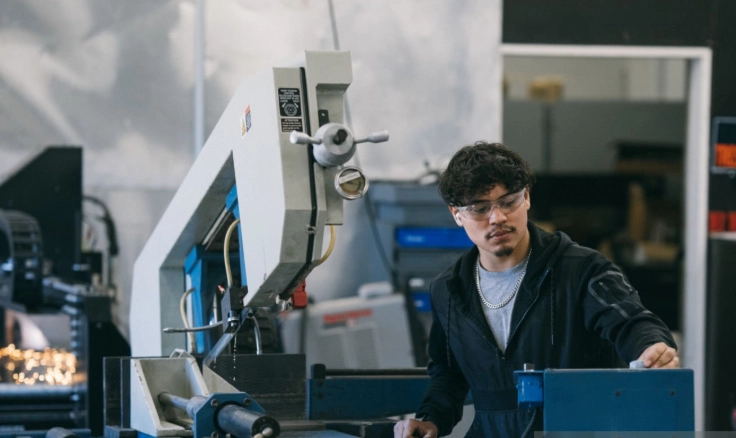
What Are the Key Differences Between a CNC Cylindrical Grinding Machine and NC Equipment
CNC vs. NC Grinding Machines: A Complete Guide to Grinding Control Systems
In today’s machining world, the split between CNC and NC grinding setups shows how exact work, easy changes, and automatic tasks come together in making things. The CNC cylindrical grinding machine grew out of old numerical control ideas. It changed the way we make parts in fields like airplane building, car making, and tool creation. This guide looks into the tech details of both setups. It checks their control methods, coding skills, how well they work, what operators do, upkeep plans, and costs over time. You know, in a busy shop, picking the right one can save a ton of hassle.
What Defines a CNC Cylindrical Grinding Machine Compared to NC Equipment
A CNC cylindrical grinding machine steps way ahead of basic NC machines. It does this with built-in computer control and digital automatic features. Both types work to remove material with care. But CNC setups add smart adjustments that boost repeat accuracy and smooth surfaces a lot.
Advanced Computerized Control System
CNC grinding machines use digital computer control to handle each moving part with great care. This computer method lets the machine make tool paths on its own from saved design info. The built-in software tweaks things like feed speed or wheel turn rate right away if the material acts uneven. Feedback systems that run all the time keep sizes exact down to tiny bits. They make sure the surface stays even on many pieces. Manual NC changes hardly ever match that. For example, think of grinding shafts for engines—those need to be spot-on every time.
Automated Programming and Operation Flexibility
A key part of CNC systems is their skill at dealing with tricky shapes through set multi-part movements. Workers can save and pull up grinding plans for various items without typing in spots by hand again. This easy switch helps make groups of parts with little wait time between starts. It cuts down on hand work. So the job runs smoother and faster, even when you switch designs often in mixed runs. I recall a factory that cut setup time in half just by using these saved programs.
Integration With Modern Manufacturing Systems
CNC machines link up well with CAD/CAM tools for straight data moves from drawing to making. You can watch them from afar for early warnings and fix schedules via connected networks. In smart factory setups, these machines talk to main software for live checks on work and better use of stuff. That’s a level of hookup that old NC gear just can’t reach. It’s like having eyes everywhere in the plant.
How Does the Control System Differ Between CNC and NC Grinding Machines?
The way controls are built sets how each machine reads orders and does the grinding jobs. Both use number-based info to start. But how they handle it varies a lot. NC sticks to set paths. CNC uses lively digital math.
Numerical Control Based on Fixed Logic
Old NC machines run on wired setups or punched cards that guide tool moves one by one. After you set the program, you can’t tweak it much without changing wires or new cards. For each new group of parts, you need hand setups. That takes more time to get ready. It also makes switches during runs harder.
Computer Numerical Control With Digital Processing
CNC tech swaps stiff wires for chip-based controls that read digital codes on the fly. The software side lets workers change cut settings while the job goes on, without stopping. This easy change boosts rightness. It also cuts wait times from re-coding or fix-ups.
Feedback and Closed-Loop Operation Mechanisms
CNC setups add steady input from watchers that check spindle push, part spots, and turn speeds. This info goes into fix-it math that straightens out slips during the grind. Most NC types work as open setups. They just follow orders without checking real moves. That can cause small drifts over long jobs. In one case I heard about, a long NC run ended up with parts off by 0.05 mm because of that.
Why Is Programming Capability a Major Difference?
How well you can code sets how fast a machine fits new designs or bigger runs. The gap between hand coding in NC and software help in CNC hits right on output. It changes how much you get done.
Manual Data Input in NC Systems
On an NC grinder, workers type spot data one line at a time. They use number codes for machine parts and feed speeds. This way leaves room for people mistakes. There’s no picture screen to check before starting. If you need to fix a design, you rewrite all the lines. That’s a slow job. It makes you think twice about changes in test runs or small batches.
Graphical Interface and Software Support in CNC Machines
New CNC controls have simple picture screens that show fake tool paths before real cuts. G-code comes right from CAD drawings via CAM links. This makes it easy to set up detailed curves or slants common in round grinding. Fixing is simple too. Workers tweak one setting instead of full rewrites.
Memory Storage and Program Reusability Advantages
CNC machines keep many grinding plans inside or on shared servers for whole lines. Saved info lets you make the same parts over and over. You can grab old plans fast for orders that come back later. Past records help look at data to make the process better. That’s great for cutting run times or keeping rough spots even. Over a year, that can add up to real savings in a shop grinding hundreds of parts.
In What Ways Do Precision and Performance Vary?
The exactness from CNC grinders beats old NC ones. This comes from better drive tech and sharp feedback checks. It’s not just talk—real jobs show the difference.
Accuracy of Motion Control Systems
CNC uses servo motors with fine encoders for spots under a micron. That’s key for finishing tough steel rods or bearing spots. Older NC often uses step motors without live fixes. That builds up small errors in long tasks. For instance, in making bike parts, that tiny edge matters for smooth rides.
Surface Finish Quality and Repeatability Levels
Auto control of wheel speed and feed keeps cut conditions steady each time. You get even surfaces on big groups with few tweaks between items. On NC, hand tuning adds ups and downs that hurt evenness as time goes. But hey, with practice, a good operator can get close sometimes.
Cycle Time Efficiency in Production Operations
With auto tool swaps and smart move plans, CNC cuts extra motions between runs. This drops wait times way down from hand-run NC where workers step in after each go or part switch. In a full day, that might shave off an hour or two of lost time.
How Does Operator Involvement Differ Between the Two Systems?
Worker jobs moved from lots of hand tweaks to just watching as tech went from NC to CNC. It’s a big shift in daily tasks.
Manual Supervision Requirements in NC Machines
Running an NC grinder needs full focus from trained workers. They tweak wheel push, feed rates, or shifts by hand while it works. The end quality rests on their know-how. Auto helps are few, so skill counts a lot.
Semi-Automated Operation in CNC Grinding Machines
On a CNC cylindrical grinding machine, most settings sit in saved plans before start. Workers mainly watch screens for alerts or wear signs. They don’t guide feeds by hand much. This cuts tiredness. It boosts safety too, with less reach near moving bits.
Training and Skill Development Needs
Old-style workers learn mechanical tweaks for right setups. New CNC folks need to know screen use and simple code like G-code changes or setting fixes on touch panels. Ongoing lessons stay key. Software tweaks add fresh ways to do more work. In my view, it’s worth the time to learn.
What Are the Maintenance and Reliability Considerations?
Upkeep ideas vary big between gear-focused NC and watcher-filled CNC that checks itself. One feels old-school, the other forward-thinking.
Mechanical Wear Factors in Traditional NC Equipment
Lots of hand tweaks speed up wear on screws, slides, and bearings after years. No auto oil rounds or watch sensors mean upkeep waits for worker eyes. It’s a fix-after-break way. That risks stops in key making times. Dust in a shop can make it worse fast.
Predictive Maintenance Features in CNC Systems
New CNC grinders add shake watchers, heat checks, and spindle push trackers. Data goes to guess-work math that spots tired parts before they quit. Set fix times based on real use stretch life. They cut surprise stops. That’s huge for non-stop making. Say you run 24/7—that feature pays off quick.
System Diagnostics and Troubleshooting Efficiency
Check tools in CNC screens show clear error spots right away. Link-ups let fix folks see logs from afar for quick help without trips. It saves hours over hand looks in old NC designs. No more guessing games.
How Do Investment Costs Compare Over the Machine Lifecycle?
Cost looks go past first buy price. They cover work gains over years of use. It’s about the full picture.
Initial Purchase Price Differences
A CNC cylindrical grinding machine costs more at the start. That’s from better electronics and auto parts. Old NC choices are cheaper but fit only small jobs with few growth paths.
Operational Cost Efficiency Over Time
Auto work cuts need for many hands. One person can watch several machines in off-hours like nights. Power-saving servo drives use less juice than old water-push parts in past models. Less waste boosts material use over long runs. In numbers, you might save 20% on power bills yearly.
Long-Term Return on Investment Evaluation
CNC starts pricier, but more output and less fix work pay it back in a few years. It depends on how busy you keep it. The easy switch helps varied items. That’s vital for quick market jumps without new buys. Over a decade, it often comes out ahead.
FAQ
Q1: What makes a CNC cylindrical grinding machine more precise than an NC model?
A: It uses servo-driven closed-loop control with digital feedback sensors that automatically correct positional errors during operation for sub-micron precision levels.
Q2: Can existing NC grinders be upgraded into full CNC systems?
A: Some retrofitting solutions exist but often require replacing core control hardware; cost-effectiveness depends on machine age and structural integrity.
Q3: How do programming times compare between both types?
A: Creating a new job program takes minutes on a modern CNC interface versus hours using manual coordinate entry methods typical of older NC setups.
Q4: Is operator training easier on CNC machines?
A: Yes; graphical user interfaces simplify interaction though basic coding knowledge remains necessary for parameter editing or troubleshooting tasks.
Q5: Which system offers better long-term reliability?
A: CNC grinders provide superior reliability due to predictive maintenance functions supported by built-in diagnostic sensors tracking real-time performance conditions continuously.