
What Makes A CNC Cylindrical Grinding Machine Essential In Precision Manufacturing
What Defines a CNC Cylindrical Grinding Machine in Modern Manufacturing?
A CNC cylindrical grinding machine counts as one of the sharpest tools in metalworking right now. It works to form the outside or inside faces of round pieces with solid exactness. In current factories, this tool connects old hand skills with computer help. It lets you get the same results time after time on hard shapes. Sometimes, in a small shop, you see how it turns rough bars into smooth parts that fit perfectly in engines.
Core Structure and Functional Components
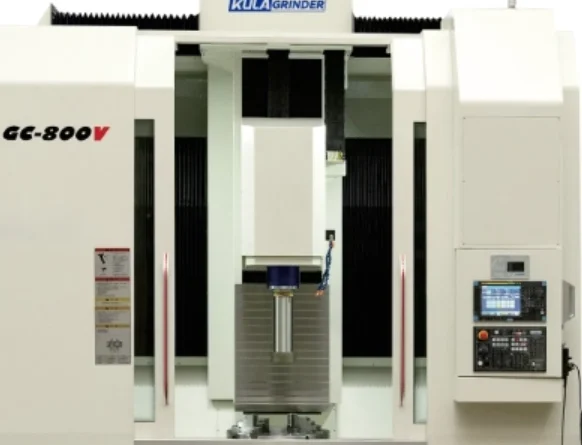
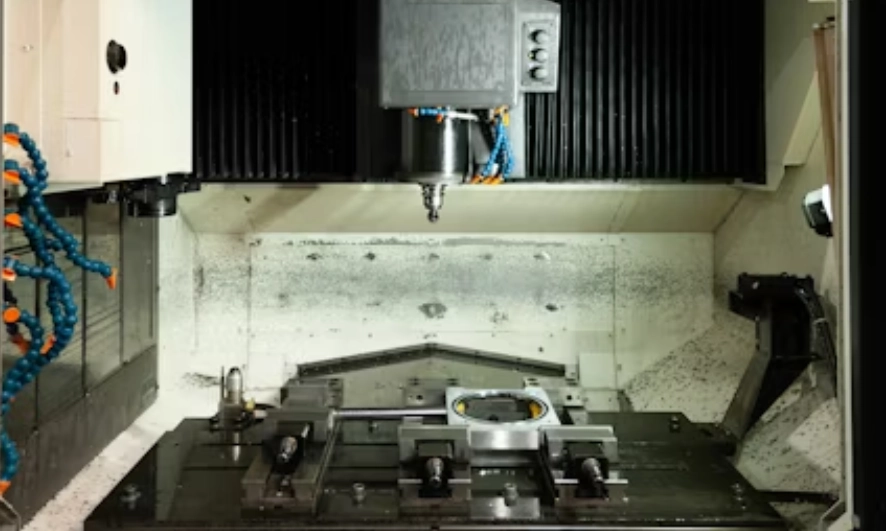
The basic setup includes a bed, headstock, tailstock, and a turning grinding wheel fixed on a spindle. The bed offers strong hold and steadiness. Meanwhile, the spindle keeps the turn steady and true. Electric motors move each direction with steps as small as microns. A built-in CNC control system handles all that. Coolant setups do a key job in pulling away heat while grinding. They stop shape twists from warmth that might mess with the close fits. Fix tools shape the grinding wheel back to form on their own. This holds the point sharp and the size even during full production stretches. In one factory I recall, these parts kept a line running for days without a hitch.
Working Principle and Grinding Process
The way it works comes from the turning piece touching the rough face of the grinding wheel. The wheel shifts along or across the item. It cuts away stuff in small bits you control. The feed speed, wheel turn rate, and cut depth set how much you make and how even the top comes out. A hard push on feed brings shakes or hot spots. A soft one slows things down. Watchers with sensors keep an eye on sizes all the time. They catch off spots early. Picture grinding a bike axle—get it wrong, and the ride feels bumpy.
Types of CNC Cylindrical Grinding Machines
You get three key kinds. External ones shape outside rounds. Internal ones work on holes. Universal types mix both jobs. External setups deal with rods or wheels a lot. Internal ones fit sleeves or bearing paths. Universal machines work best when you need to change tasks fast. That’s true in tool areas or small runs. For big batches, auto setups with many directions grind several faces at once. You skip moving the piece. It saves hours but keeps things exact. High-volume shops often hit 500 parts a day this way, based on what I’ve heard from operators.
Why Is Precision Critical in CNC Cylindrical Grinding?
Exact work sets if a piece holds up under load or gives out too soon. In areas like plane making or health gear building, tiny slips can spark put-together troubles or work breakdowns.
Achieving Micron-Level Tolerances
Today’s machines reach fits inside ±1 µm. They do this with tough builds and shake-soaking stuff like polymer concrete bottoms. Heat evenness plays a part too. Temp changes can stretch things and shift sizes in the middle of a run. For example, plane motor rods need true balance. Any slip can bring bad shakes at high turns. One case in aviation showed a 0.5 µm off leading to a full recall—costly lesson.
Surface Finish Quality and Performance Impact
The top layer does more than look nice. It sets drag amounts and how well it fights wear. An even top cuts power waste from rub and makes bearings last much longer. In fluid setups, the right top gives close seals with no leaks. Check tools like profilometers test top marks down to Ra 0.1 µm. In pump factories, this bump-free top cut leaks by 40%, from real shop data.
Repeatability and Process Stability
Steady output means making like pieces run after run with no hand tweaks. Computer controls save the best settings. So each round goes the same. Fix math auto changes for tool dull or heat shifts on long days. Info from sensors helps better future plans with number checks like statistical process control (SPC). It’s reliable, though weather can throw a curve now and then.
How Does Automation Enhance CNC Cylindrical Grinding Efficiency?
Auto ways change how you handle these tools. They mix robot hands with smart program watch.
Integration With Robotic Handling Systems
Robot arms take care of putting in and taking out jobs between rounds. They do it smooth, dropping wait time big—up to over 30% at times. Robots link right to the CNC brain to match steps. So no move clashes happen. This boosts flow speed. It also wipes out grab slips seen in hand work. In car lines, this setup runs non-stop, but a jammed part still needs a quick fix.
Adaptive Control and Real-Time Monitoring Technologies
Sensors built into spin parts or slides send facts back to auto fix circles. They change settings fast if odd things pop up, such as wheel dull or shake highs. Guess fixes spot break risks ahead by checking shake marks or heat paths. Live screens show this info. Operators pick quick calls without line stops. Dashboards help, yet some old-timers trust their ears over screens.
Multi-Axis Control for Complex Geometries
Machines with many directions line up moves at the same time. They grind slopes, lines, or curves in one hold. No extra setups. Smart CAM programs figure best cut lines. They cut empty air time and keep shifts even. For twisted shapes in tools, this cuts waste by half, per industry talks.
Where Does a CNC Cylindrical Grinding Machine Fit in the Production Chain?
In new plants, these tools act as end clean spots. They link rough cuts to last looks.
Role in Pre-Finishing and Final Machining Stages
After turning or milling pulls off big bits, cylindrical grinding smooths sizes to end fits. This happens before join or cover steps start. It works well with other close works like honing. So it ties the full piece exactness. In gear making, it’s the step that turns good into great.
Integration Within Flexible Manufacturing Systems (FMS)
CNC grinders tie in through net links to front milling spots. Job facts move auto through each stop with no re-codes. This link makes flow clear. Workers follow each piece’s cut story with main software. It tracks well, though data overload can confuse new staff.
Application Across Diverse Industrial Sectors
These tools build car rod ends, motor turns, body inserts, and fluid rods the same. Their bend fits big lines or one-off tests where shifts come often. But exactness stays firm. From trucks to hospitals, they pop up—adaptable but demanding.
What Technological Advancements Are Shaping CNC Cylindrical Grinding?
New steps keep forming how these tools run. From test tools to linked frames.
Digital Twin Simulation and Virtual Setup
Fake twin tech makes screen copies of machine ways before real cuts. Workers try cut lines on screen to spot hits or slow spots early. This drops real setup by hours per job switch. It boosts safe train through play parts. Useful for tricky jobs, but nothing beats hands-on trial.
Advanced Abrasive Materials and Wheel Design
CBN (cubic boron nitride) and diamond wheels lead fast grinding now. They fight dull much longer than old aluminum oxide kinds. Better heat pull stops warmth breaks on hard steels. That’s a usual problem at quick cut rates. It stretches fix times a lot. Steel mills swear by them for 10x life.
Smart Connectivity Through Industry 4.0 Integration
IoT-linked grinders pass live work facts over plant nets. Engineers check make trends from far with cloud check tools. Far fixes let teams sort issues away without full line halts. Big win for world makers on 24/7 shifts. Connectivity shines, until a power dip resets everything.
How Do Operators Optimize Performance in CNC Cylindrical Grinding?
With auto pushing ahead quick, worker skill still sets how well a grinder does daily jobs.
Precision Setup and Calibration Techniques
Good line between headstock lines gives center turns in grind rounds. Any shift brings slope slips on end pieces. Steady checks keep straight moves true against part wear over time. Room controls, like even temps, hold size trust in long stretches. Miss a check, and tolerances wander—happens more than you’d think.
Parameter Selection Based on Material Properties
Various metals call for set wheel kinds. Soft wheels fit tough stuff like tool steel to stop shine loss. Hard wheels go with soft metals like aluminum where block chance rises. Coolant stream fits speed picks and touch spot size. So temps stay safe without extra wet. Wrong pick floods the floor sometimes.
Continuous Improvement Through Data Analysis
Log spin weights, round times, and heat ways to find small drags hidden in usual runs. SPC graphs help spot change roots fast. Step-by-step info circles better process steps steady toward close hold areas over months, not just days. Data builds habits, but gut feel adds the edge.
What Future Trends Will Influence CNC Cylindrical Grinding Applications?
Ahead, tech mixes open wider paths past old cut ways alone.
Hybrid Machining Concepts Combining Multiple Processes
New mix setups join build-up making with close grinding in one spot. Print hard pieces then end them there. Cuts full wait times sharp while dealing with odd stuff too weak for usual roughs. For space gear, this halves build time—exciting shift.
Sustainability And Energy Efficiency Considerations
Green coolants from plant oils swap fake mixes that hurt waste water. At the same time, low-power movers drop power use per round clear in big spots. This adds to firm green aims world wide. Less energy means lower bills, a quiet win.
Workforce Evolution And Skill Development
As screen ways grow deep in work areas world wide, need rises for techs good at part fixes and program checks. It links old work skills with code know-how key in Industry 4.0 setups now. Steady learn sets the win edge tomorrow. Skills evolve, or shops lag.
FAQ
Q1: What materials can be processed using a CNC cylindrical grinding machine?
A: These machines handle hardened steels, ceramics, carbides, titanium alloys, and other difficult-to-machine materials requiring tight tolerances.
Q2: How does coolant improve grinding performance?
A: Coolant removes heat from the contact zone preventing burns or microcracks while flushing away debris that could scratch finished surfaces.
Q3: What’s the difference between internal and external cylindrical grinding?
A: External grinding shapes outer diameters such as shafts; internal focuses on bores inside components like bushings or sleeves using smaller wheels mounted within spindles.
Q4: Why is dressing important during operation?
A: Dressing renews wheel sharpness by removing glazed abrasive grains ensuring consistent cutting action throughout extended runs without compromising finish quality.
Q5: Can automation fully replace human operators?
A: Not entirely; robots manage repetitive handling efficiently but skilled operators remain crucial for programming setups interpreting sensor data adjusting strategies when unexpected conditions arise.