
CNC Tool Materials Comparison Why Balancing Toughness And Wear Resistance Matters
CNC Tool Material Selection Matrix: Balancing Toughness, Hardness, and Red Hardness
Picking the correct CNC tool material goes beyond just price or supply. It is a smart choice that impacts cutting results, surface quality, and how long the tool lasts. In exact manufacturing, particularly with fast cutting or tough alloys, the mix of toughness, hardness, and red hardness matters a lot. This piece looks at how various materials do in these areas. It also shows ways to create a useful selection matrix for your shop. I remember once in a small workshop, we switched materials for a job on aluminum, and it saved us hours—real stuff like that makes the difference.
What Determines CNC Tool Material Performance?
Tool results come from the mix of physical strength, heat resistance, and wear patterns. Each feature plays a different part based on the cutting setup. For example, in quick milling of titanium alloys, red hardness—the skill to keep hardness when hot—matters more than toughness. Yet, in stop-and-start cuts like rough turning of cast iron, toughness takes the lead. Tools need to handle repeated hits without breaking. Think about a factory floor where machines shake a bit; that’s when these choices hit home.
Toughness and Its Role in Machining
Toughness shows how well a material fights off chips and breaks under pressure. Carbide tools are very hard, but they often fall short on toughness next to high-speed steel (HSS). HSS tools handle mistakes better in shaky conditions or with shakes. In big jobs, like wide drilling or bumpy cuts on castings, a stronger tool helps avoid big breaks. From what I’ve seen in shops, skipping this can lead to downtime that costs more than the tool itself.
Hardness: The Foundation of Wear Resistance
Hardness tells how much a tool stands up to rubbing and scraping. Cemented carbide and ceramics show great hardness. This makes them perfect for steady finishing at fast paces. But too much hardness can turn tools weak and easy to crack. The key is to hit that right level where hardness fights wear but keeps the tool solid. In practice, for parts like engine blocks, this balance keeps things running smooth without surprises.
Red Hardness: Sustaining Strength at High Temperatures
Red hardness decides if a tool holds its strength as heat builds up in cuts. Carbide and ceramic tools shine here. They keep hardness past 800°C. This lets you cut faster and use tools longer on heat-tough alloys like Inconel or stainless steel. It’s like having a tool that doesn’t quit when things get hot—vital for jobs pushing the limits.
How Do Common CNC Tool Materials Compare?
The cnc tool materials comparison usually begins with four main groups: High-Speed Steel (HSS), Cemented Carbide, Ceramics, and Cubic Boron Nitride (CBN). Each fits its own spot based on value for money and work setting. Over years, shops have stuck with these because they prove themselves time and again.
High-Speed Steel (HSS)
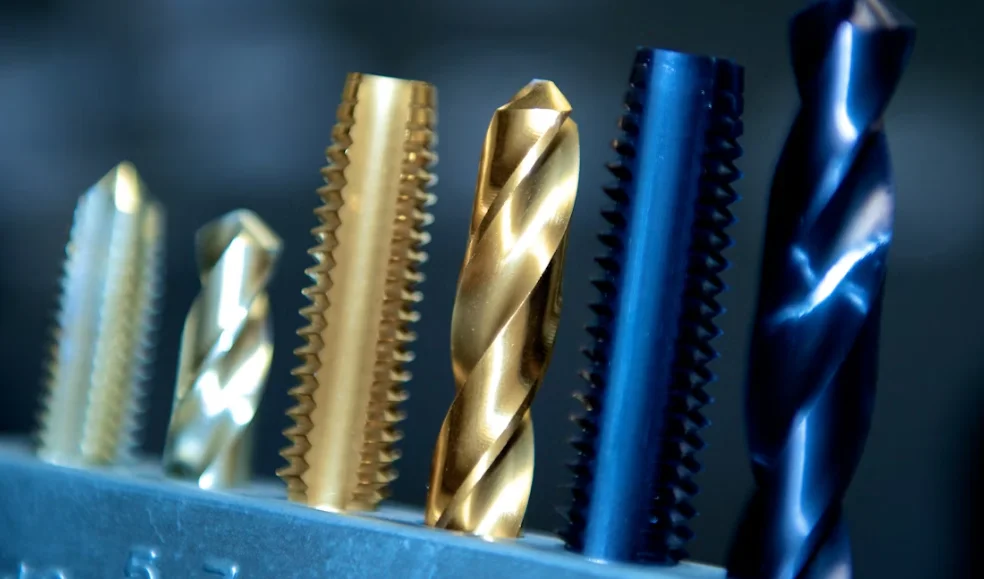
HSS stays common thanks to its strong toughness and simple sharpening. It works well for everyday cutting without needing top speed. You see it in drills, taps, reamers, and shape cutters. HSS drops hardness over 600°C, sure. But its bendy nature fits jobs with sudden loads or weak setups. In a recent project with old machines, HSS saved the day by not snapping under stress.
Cemented Carbide
Cemented carbide mixes tungsten carbide bits with cobalt glue for a fine mix of hardness and red hardness. It manages quicker speeds than HSS and fights wear well. Still, it breaks easier. So, it suits steady setups with little shake. For steady production lines, this material cuts costs by lasting through shifts without fuss.
Ceramics
Ceramic tools aim at super-fast finishing of cast iron or hard steels. They have huge hardness but little toughness. A small shake can chip the edge. Even so, they take heat up to 1200°C. This makes them key in no-coolant cuts. Picture a foundry where dust flies—ceramics handle that heat without melting down.
Cubic Boron Nitride (CBN)
CBN ranks just under diamond for hardness. But it beats others in heat hold when cutting iron-based stuff. It is the top pick for hard turning over 55 HRC, where grinding used to rule. In auto parts making, switching to CBN cut finishing time by half—numbers like that show why it’s worth the investment for big runs.
How Can You Build a Practical Selection Matrix?
A selection matrix lets you weigh the give-and-take in material traits for given cutting tasks. By putting numbers on things like cost per edge, surface quality you can get, max heat it takes, and feed speed it allows, you choose based on facts, not just gut feel. It’s handy for teams to agree without arguments.
For instance:
- Toughness vs Hardness: When roughing stainless steel with bumpy cuts, pick toughness first over hardness.
- Hardness vs Red Hardness: In fast finishing of hard steel molds, red hardness calls the shots.
- Cost vs Performance: CBN gives top results in hard turning, but its price might not fit quick jobs.
When you make your matrix:
- List all possible materials.
- Give number scores (1–10) for each trait—toughness, hardness, red hardness.
- Set weights for each based on what the job needs most.
- Times the scores by weights for a total mark.
This method brings steady picks for all kinds of work. No more guessing. And hey, in my experience, adding a column for real shop tests makes it even better—keeps it grounded.
What Are the Latest Trends in CNC Tool Material Development?
Current work aims at mixed materials that pull strengths from several groups. Think nano-coated carbides or layered cemented carbides. These boost outer wear fight and inner strength at once. Coating tech like TiAlN or AlCrN stretches tool life more. They cut down rubbing and fight rust at high heat. It’s changing how we think about tools—not just harder, but smarter.
Another cool path is 3D printing tool bases with metal powders. This gives tight control over the tiny structure—better than old heating ways. In labs, they’ve hit 20% longer life with these. For shops upgrading, it’s a game-changer, though the machines cost a bit upfront.
FAQ
Q1: What is the main difference between toughness and red hardness?
A: Toughness checks how it stands against breaks from hits. Red hardness means keeping power when hot in cuts.
Q2: Which CNC tool material offers the best balance among all three properties?
A: Cemented carbide usually gives the even mix of toughness, hardness, and red hardness for most cutting work.
Q3: Why does HSS remain relevant despite newer materials?
A: It costs little, sharpens many times easy, and does fine in shaky spots where breakable tools might give out.
Q4: When should ceramic tools be used?
A: They fit best for quick finishing of cast iron or hard steels where heat builds but hits stay low.
Q5: How does coating improve CNC tool performance?
A: Coatings cut rub between chip and tool. They also fight rust at high heat. This makes tools last much longer.