
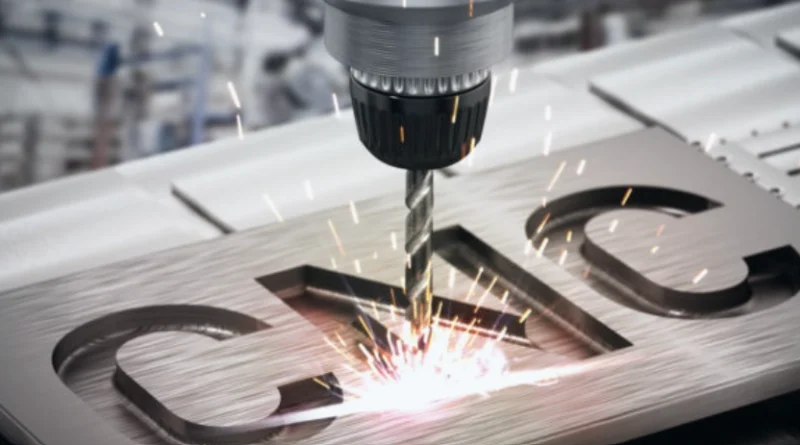
How CNC Machine Maintenance Tips Improve Daily and Monthly Checklists
CNC Machine Maintenance Checklist: Daily, Monthly, and Preventive Tasks That Reduce Downtime
CNC machines form the core of today’s manufacturing work. When you care for them well, they offer great accuracy, quick work, and steady results. But even top machines can let you down without a solid plan for upkeep. Steady care stretches out their working years. It also shields your production from expensive stops. This guide looks at useful tips for CNC machine maintenance. It covers daily habits, monthly looks, and ways to prevent problems. These steps help keep your work flowing smoothly and strongly.
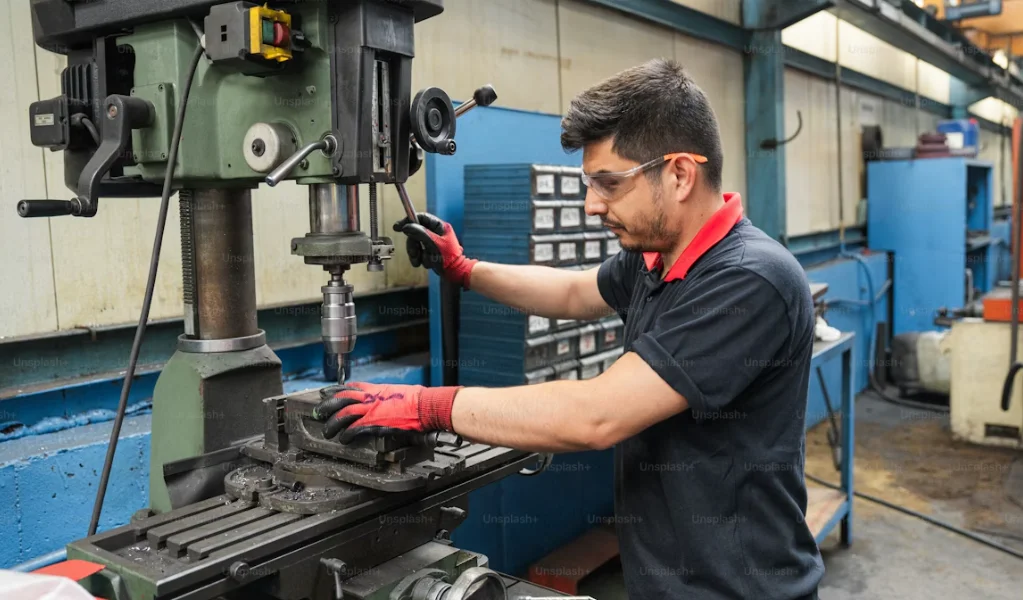
CNC Machine Maintenance Fundamentals
Taking care of CNC gear goes beyond just wiping it down. It’s about holding onto exactness and steadiness as time passes. Each turn of the spindle, rinse of coolant, or swap of tools touches the machine’s future work. A forward-thinking way helps dodge holdups in making things. It keeps the close measures that customers want.
The Importance of Regular CNC Maintenance
Steady upkeep makes sure machines work at their best and last longer. You cut down on strain to parts that move when you stick to a routine. This stops sudden breaks. Planned care lowers surprise stops and big fix costs. Those can mess up whole lines of production. Plus, upkeep habits boost cutting exactness and sameness. They do this by keeping paths straight and parts oiled. Even tiny skips in checks—like forgetting oil—can lead to slow damage. That means pricey full fixes down the road. In one shop I heard about, a small oil slip turned into a $5,000 repair after months of quiet wear.
Key Components Requiring Routine Attention
Certain parts need extra watch more than others. Look at spindles for shakes or odd sounds. These hint at early wear in bearings. Clean tool changers to clear out bits that might stick things up. Oil or grease systems have to spread stuff even. That stops rubbing build-up. Check wires and control boxes for firm holds. Loose spots can drop power or send wrong signals while cutting. Coolant setups, screens, and air tubes affect how well things run too. If you ignore them, heat builds or pressure drops. This hurts the quality of your cuts. For example, a clogged air line once caused a part to shift mid-job, ruining a batch of 100 pieces.
Structuring Effective Daily CNC Maintenance Checklists
A daily list builds the base for good CNC care. It lets workers spot troubles before they grow big. Add steady daily steps to your day. This keeps the machine fit and workers alert.
Essential Daily Inspection Points
Begin each work period by checking oil levels. Make sure oil or grease spreads right over all parts that move. Look at coolant strength and clearness. This stops dirt from harming tools or pieces. Check air gauges, screens, and tubes for drips or jams. Air systems often handle tool swaps or holds.
Cleaning and Operational Checks for Daily Routines
Keeping things clean acts as a basic shield against stops. Clear bits from work spots, tool spots, and bit movers. This keeps watchers free and moves easy. Before starting, eye cutting tools for signs of use or breaks. Worn tools add weight to the spindle and make more heat. Test stop buttons, covers, locks, and watchers. They work right. This is for safety. It also guards costly gear from crash bumps. Oh, and don’t forget to wipe down the control panel—dust there can make buttons stick after a while.
Monthly CNC Maintenance Practices for Sustained Performance
Monthly checks dig deeper than daily ones. They test straightness and part strength. These affect long-term results like finish smoothness or size exactness.
In-depth System Calibration and Alignment Tasks
Grab exact tools to check spindle wobble. Too much means bearings wear or out-of-balance. Test path straightness with dial tools or light guides. This holds shape accuracy over move ranges. Check lost steps in screw rods by watching motion shifts. If needed, tweak set points via the control screen. Run tests on motor drivers and power units for quick replies. Slow motors point to code errors or set problems. You might need to reset them. In a real case, one factory fixed a 0.02mm axis drift monthly, saving scrap on precision gears.
Electrical and Cooling System Evaluations
Power steadiness matters for even work under weight. Tighten wire ends in control boxes. This stops sparks or power jumps that hurt boards or switches. Clean air movers, air holes, heat changers, and box screens. Keep inside temps even during long cut runs. Swap coolant screens each month if gunk shows. Thick build lowers cool power. It also grows germs that shorten coolant life. We’ve seen shops cut coolant costs by 20% just by monthly filter swaps.
Integrating Preventive Maintenance Strategies into CNC Operations
Preventive care turns fix jobs from sudden to set plans. It uses info trends, not crises. This way keeps output high. It stretches gear life too.
Developing a Predictive Maintenance Schedule
Machine records hold key facts on run times, spindle weights, temp changes, and alert pasts. Use these to guess wear on main parts like bearings or screw rods. Spot them before they quit. Add shake checks with hand tools. These find early fix needs like out-of-balance or crooked spins in turn parts. Plan part swaps by run hours or use counts. Don’t wait for break signs. This cuts surprise halts a lot. For instance, tracking spindle hours helped one team replace bearings at 4,000 hours, avoiding a full breakdown during a rush order.
Utilizing Digital Tools for Maintenance Tracking
New shops use CMMS software for note keeping. Hand notes get missed under work push. CMMS sets auto alerts for checks, part swaps, oil jobs, or set times. Over months, look at care pasts. This sharpens plans by showing which parts break most under set loads. It’s like having a smart reminder that catches what busy eyes miss.
Enhancing Team Efficiency Through Standardized Maintenance Protocols
The top plan flops without team work. Set steps make sure each worker does jobs the same. This holds true across shifts or busy times.
Training Technicians on Routine Procedures
Hand out clear papers on daily check steps, oil spots, twist levels for holds, coolant mixes, and safe ways near power lines. Run regular classes. There, workers try spotting usual trouble signs like weird sounds or path slips in warm-up. Push staff to tell about odd things right away. Don’t wait for worse. Quick talk often stops big halts. Training like this once turned a newbie’s alert into a quick fix, saving hours of downtime.
Establishing Cross-functional Communication Channels
CNC work needs team-up from runners, fix groups, builders, and planners. Match times so care jobs don’t cut into key making runs. Share now updates on machine states via screen boards all can see. This way, all know when service comes or ends. Build talk loops between runners who see odd first and builders who find why. This steady swap boosts list strength over time. Good channels cut missteps by half in some teams I’ve read about.
Measuring the Impact of Maintenance Tips on CNC Productivity
Putting numbers to results shows if your CNC machine maintenance tips cut stops or just add work. It’s worth tracking to see real gains.
Assessing Downtime Reduction Metrics
Watch average time between breaks after starting set lists. A rising number means better trust. Compare make output before and after set care habits. More work with less halts proves it works. Put a price on savings from fewer rush fixes. Sudden calls cost way more than planned ones—often three times as much. One plant saw downtime drop from 10 hours a week to just 2 after checklists kicked in.
Continuous Improvement Through Data-driven Insights
Eye gathered care info every three months. Spot repeats like coolant dirt rates or motor alerts under set weights. Change daily lists to fit. For example, add more screen checks if jams rise in warm months with extra dust. Bring in worker thoughts to keep bettering. Those near machines spot small shifts first, like tiny shakes after tool swaps. These tweaks make the whole system tougher, almost like the machine learns from its own runs.
FAQ
Q1: How often should coolant be replaced in a CNC machine?
A: Usually every one to three months based on how hard you use it. But checking pH and germ growth often sets the real time better than set dates.
Q2: What’s the best way to detect spindle bearing wear early?
A: Hear for sharp sounds during speed-ups. Or use shake tools. Both catch out-of-balance way before big fails.
Q3: Can poor air supply affect machining accuracy?
A: Yes. Uneven air pressure messes tool holds. This causes tiny moves at fast speeds. It worsens finish over time.
Q4: Why is CMMS software preferred over manual logs?
A: It sets auto alerts and keeps full fix pasts ready for all teams. This cuts miss-ups in notes.
Q5: Should operators perform minor repairs themselves?
A: Only if they learned how. Else, tell right away. Wrong fixes can break warranty or add hidden harm.