
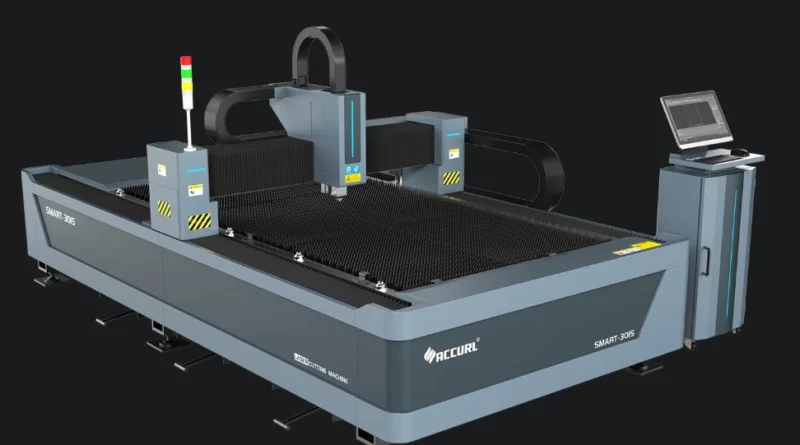
Which CNC Laser Machine Manufacturers Lead the Fiber Laser Market Today
Overview of the Global Fiber Laser Market
Fiber laser technology has grown quickly into one of the main tools in factory work. As factories push for better accuracy and automatic processes, CNC laser systems have turned vital for smooth material handling. The world market for fiber lasers is getting bigger. This happens because of rising needs in car making, plane building, and electronic device areas. For example, in a typical auto plant, these lasers cut parts with sharp edges, helping speed up assembly lines without much waste.
Current Trends in CNC Laser Technology
There is a clear push toward automatic setups and digital links in laser work. Factories need exact cuts and steady repeats. This has led makers to pick CNC laser machines that give reliable results even in big production runs. Fiber lasers shine because they use less power, take up less space, and need little upkeep compared to CO₂ or solid-state types. Plus, another big change is adding AI and IoT into CNC setups. Smart factory tools now watch beam strength, heat levels, and shakes right away to keep things running well. This mix of laser parts with data tools is changing how plants work around the world. Think about a shop in Europe where sensors spot a small issue early, saving hours of stoppage.
Market Segmentation by Application and Power Range
The fiber laser market splits by use type and power level. Factory uses lead the way. Metal shops grab high-power setups for slicing thick steel sheets. Electronics builders turn to low-power marking lasers for tiny engravings on parts. Car lines use mid-range fiber lasers for joining body pieces or shaping items with little heat bend. New areas like Southeast Asia show more need for mid-range fiber laser machines. These offer good value and adaptable work. Such area changes affect how CNC laser machine manufacturers plan their goods. In places like Vietnam, small factories start with these affordable units, and they often handle daily jobs without big repairs for years.
Key Players Among CNC Laser Machine Manufacturers
The field of CNC laser machine manufacturers varies a lot. Long-time Western names battle quick-rising Asian makers. Each area brings its own strong points. From German careful building to Chinese big-scale output.
Leading Global Manufacturers in Fiber Laser Systems
Well-known firms like TRUMPF, IPG Photonics, and Coherent control large parts of the market. They do this with strong research work and solid help networks. TRUMPF aims at mixing software-led automatic features into its TruLaser series. This sets a high mark in factory cutting fixes. IPG Photonics leads in making high-power fiber parts that give top beam sharpness for tough jobs. Coherent knows a lot about blending light advances with bendy system builds. These fit both part makers and final users. Area sales links matter too. European names often rule top markets. North American groups do well in custom automatic setups. It’s interesting how TRUMPF’s machines pop up in big U.S. factories, handling everything from car frames to tool bits.
Prominent Asian CNC Laser Machine Producers
Asian makers, mainly from China and Japan, have pushed hard into world markets in the last ten years. Names like Han’s Laser, HSG Laser, and Bystronic China earned global notice with fair prices and fast new ideas. Japanese groups like Amada stress careful building and steady rules that draw picky buyers. Many Chinese CNC laser machine manufacturers link local supply lines for light parts, control panels, and move systems. This cuts costs but keeps steady quality. Their big output lets them make lots without losing work level. In China, these firms often test new models in local plants first, tweaking them based on real daily use feedback.
Technological Innovations Defining Top CNC Laser Brands
New ideas stay as the main way top CNC laser machine manufacturers stand out. The fresh changes aim at better beam sharpness, power savings, and automatic smarts.
Advances in Beam Quality and Power Efficiency
Late changes have brought bright fiber parts that make cleaner slices with slimmer cut lines. Better power turn rates mean lower running costs each hour. This counts a lot in huge output spots where machine time ties straight to earnings. Flexible light tools now hold steady beam form over different stuff like aluminum mixes or shiny metals. These were hard to handle well before. For instance, in aerospace work, such upgrades let teams cut thin titanium sheets without cracks, cutting extra steps by half.
Automation and Smart Control Systems in Modern CNC Lasers
Today’s CNC laser machines often have AI-led move controls that change settings on the fly while working. This lets quick tweaks to speed, focus spot, and gas flow from sense data. Linking with MES or ERP setups allows easy info swap between machines and company systems. It backs full digital plant flows under Industry 4.0 rules. Another growing spot is ahead-of-time upkeep. Built-in sensors gather work data all the time. So, fix teams can guess part wear before stops happen. In a busy electronics line, this might mean spotting a worn lens days ahead, keeping output steady without surprises.
Evaluating CNC Laser Machine Manufacturers for Industrial Use
When picking from CNC laser machine manufacturers for factory jobs, look beyond tech details. Check steady work measures, software setups, and post-sale help builds too.
Criteria for Comparing Fiber Laser Brands
Performance Metrics and Reliability Standards
Cut speed, repeat accuracy, and run-time shares are basic signs of machine work. Top models usually hit spot repeat within ±0.02 mm over long runs. Certs like ISO 9001 or CE show they follow world quality rules. This matters a lot when sending gear across rule areas. From experience in metal shops, machines with high uptime, say over 95%, rarely cause delays in tight schedules.
Software Ecosystem and User Interface Design
Software fit plays a key part in output speed. Machines that link well with common CAD/CAM tools let quick setup of tricky shapes without hand fixes. A simple user screen cuts training time for workers. It also lowers mistakes during start or setting changes. Users often say that easy interfaces feel like using a familiar app, making shifts between jobs smoother.
After-Sales Support and Global Service Infrastructure
Steady post-sale help can boost long-term work a lot. Top CNC laser machine manufacturers keep area tech centers with far-off checks, spare part spots, and fast field teams. Promise terms differ but usually cover main parts like the fiber source or move units for two to three years. It depends on how hard they run. In remote spots like Australia, quick part delivery from global hubs keeps downtime under a day most times.
Regional Dynamics Influencing Manufacturer Leadership
Place areas add clear pluses that shape top spots for CNC laser machine manufacturers everywhere.
European Innovation Hubs in Precision Engineering
Europe stays ahead in careful building skill. This comes from team-ups between study centers and factory partners in Germany, Switzerland, and Italy. German firms focus on strong machine frames. Swiss ones aim at sharp light work. Italian makers bring bendy modular builds for small-run spots. These hubs often share ideas at yearly fairs, sparking small tweaks that big brands adopt later.
North American Focus on Automation Integration
North American firms stress mixing robots with advanced laser cut systems. They build full automatic cells that run day and night. Government fund plans push local making growth tied to Industry 4.0 steps. This builds home strength against Asian imports. In places like Michigan, auto suppliers use these setups to weld parts at 24/7 paces, hitting targets that manual lines can’t match.
Future Outlook for CNC Fiber Laser Manufacturing Competitiveness
The next round of rivalry among CNC laser machine manufacturers will center on mixed tech, green aims, and smart process links.
Emerging Technologies Shaping Next Generation Machines
Mixed setups joining fiber lasers with super-fast or CO₂ types are rising as handy answers. They handle both thick metal flats and fine tiny work on one base. Adding making links is another edge. Some builders mix metal add heads with cut parts to do both take-away and add-on tasks at one spot. This idea has seen tests in several European samples. Imagine a shop switching from cutting to building prototypes in minutes, saving floor space and time.
Sustainability and Energy Efficiency as Competitive Differentiators
Power-saving builds are turning into key choices when looking at brands. New fiber lasers use much less electric per cut round than old kinds. They make little heat junk in boxes too. Makers are trying reuse plans for used light fibers or board parts in their make lines. This shows wider field push for loop making ways that match money growth with green care. It’s not just talk; some firms now track carbon cuts per machine, sharing numbers in yearly reports to draw eco-focused buyers.
FAQ
Q1: What industries benefit most from using fiber laser machines?
A: Fields like car building, plane design, metal shaping, electronic putting together, and health tool making get big gains from fiber lasers. This is due to their sharp cut skill and low run cost setup.
Q2: How do Asian cnc laser machine manufacturers compete internationally?
A: They fight with cheap big-run plans mixed with quick tech take-up times. They keep fair quality backed by straight-line supply chains.
Q3: What makes beam quality important in industrial cutting?
A: Beam sharpness sets how slim or neat a cut gets. Sharper beams make even sides that need less after-work. This saves time in put-together steps.
Q4: Why is software compatibility crucial when choosing a CNC laser system?
A: Fit lets smooth info move between design tools (CAD/CAM) and the machine brain. This speeds setup times, especially for tricky part shapes in custom shaping work.
Q5: Are sustainable practices influencing future cnc laser development?
A: Yes, green ways push new ideas toward earth-friendly builds. They cut power use per run while backing reuse starts in part making across top names worldwide.