
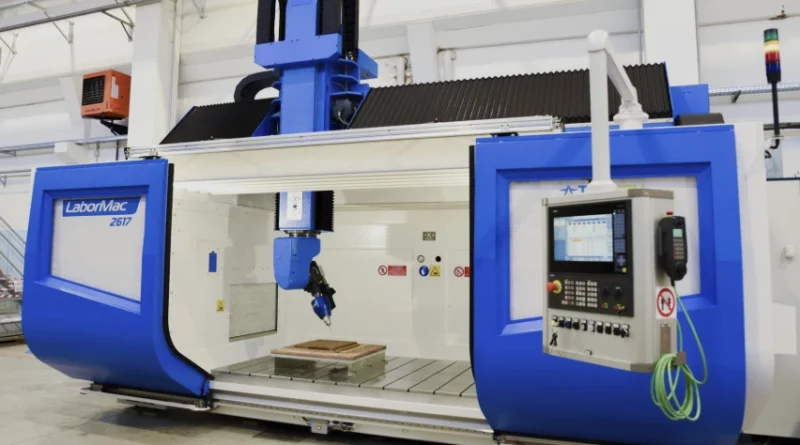
Which Top 10 CNC Machine Manufacturers Offer the Widest Product Range
Top CNC Machine Manufacturers: How the Leading Brands Differ by Product Breadth and Shop Fit
Computer Numerical Control (CNC) machines form the core of today’s manufacturing world. They shape items from airplane parts to car components. Picking the best brand goes beyond just cost or fame. It depends on how well the company’s products match your shop’s daily work, exactness needs, and plans for adding more machines. If you check out the top 10 CNC machine manufacturers, you spot some clear trends. Certain brands shine with options that work in many fields. Others do best in focused areas, like fast milling or tough turning jobs. In my view, it’s like choosing tools for a toolbox—some kits have everything, while others nail specific tasks perfectly.
What Defines a Leading CNC Machine Manufacturer?
A top CNC maker does more than sell machines around the world. It builds a full setup that blends careful design, smart controls, and solid help after the sale. The strongest ones give options that grow with you. They range from small 3-axis mills to big multi-axis centers linked with robots. This setup fits both tiny workshops and huge factories. For example, a small shop might start with a basic mill, then add automation later as orders pick up.
The big names pour money into research and development. They boost things like spindle speed, strength, and links to digital tools. Take how many now use Industry 4.0 ideas. They add sensors for spotting problems early and checking data live. This move to smart cutting sets old-school builders apart from those pushing new ways forward. It’s not just talk—I’ve seen shops cut downtime by 20% after switching to these sensor setups.
How Do the Top 10 CNC Machine Manufacturers Compare by Product Breadth?
When you compare how wide their products go, differences stand out. Each brand sets up its range in its own way. Wide-ranging makers like Mazak or DMG Mori handle almost every type. They cover milling, turning, multi-job machines, and even adding material. On the other hand, focused brands such as Haas Automation stick to easy-to-use vertical mills and lathes. These suit job shops that handle varied work without big budgets. Haas, for instance, keeps things simple, which helps new users get up to speed fast.
Mazak: Multi-Tasking and Automation Leadership
Mazak has always led in machines that do many tasks at once. These combine turning, milling, and sometimes laser cutting in a single spot. Its INTEGREX series shows this approach well. It cuts down on setups. That boosts how much work gets done in less time. The company also uses Smooth Technology controls. These link movements across axes smoothly. This leads to better surface finishes. It’s key for airplane parts where tiny details count. In one case I recall, a shop using INTEGREX finished complex parts 30% quicker than with separate machines.
DMG Mori: Precision Meets Digitalization
DMG Mori blends sharp German accuracy with fresh Japanese ideas. Its lineup goes from quick 5-axis mills to mixed additive setups. These can do laser welding to add metal. The brand puts a lot into digital copies of machines and internet-linked watch systems. Operators can test cutting plans on a computer first. This saves headaches with hard metals like titanium or Inconel. Errors aren’t an option there. Plus, their systems often link to shop software, making data flow easy across the floor.
Haas Automation: Accessibility Without Compromise
Haas makes CNC tech easy to grab without losing dependability. Its machines pop up a lot in schools and small-to-medium businesses. That’s because of simple programming via the Haas Control system. It’s straightforward to learn. Haas doesn’t chase the fanciest spots, like making turbine blades. But it rules the starter market with cheap, solid gear that pays back fast. Many shops start with a Haas VF-2 mill for under $50,000 and see returns in months through steady jobs.
Okuma: Smart Factory Integration
Okuma’s OSP control stands as one of its top features. It lets machines talk to each other on the shop floor. This means automatic tweaks to tools based on how they wear during runs. Such links back up dark-room making, where people step in little. But accuracy stays top-notch. Okuma’s setup feels like a team working together, not solo acts. I’ve heard from users how this cuts setup time by hours per shift.
FANUC: The Robotics Powerhouse
FANUC holds a special spot among the top 10 CNC machine manufacturers. It makes controls and also builds robots that pair right with them. Its ROBODRILL line gives small, super-quick centers for drilling and tapping. These fit electronics or medical lines where speed matters most. By mixing robot know-how with machine building, FANUC brings top automation teamwork. Picture a line churning out phone parts—FANUC’s combo keeps it humming without stops.
Which Brands Fit Different Shop Types Best?
Choosing a brand means more than specs. It ties to how your shop runs. A place with lots of different jobs might pick bendy options over pure speed. An auto parts maker wants steady results on tons of same items. It’s all about fit, really—mismatch can cost time and money.
Small Job Shops
For little setups doing test pieces or short batches, Haas or Tormach offer cheap ways in. They have low learning hurdles. The machines take little room and work with common tools. These pair with most planning software too. A buddy’s small shop grabbed a Haas for prototypes, and it handled everything from aluminum to steel without fuss.
Mid-Sized Manufacturing Firms
Medium outfits gain from Mazak or Okuma gear. These mix output with sharp controls. Features like auto speed tweaks or heat fixes help a lot. They keep things steady as work grows. In one mid-size plant, Okuma’s controls helped hit daily quotas up by 15% on custom orders.
Large Industrial Plants
For big operations, like top airplane makers or energy firms, DMG Mori and Makino lead. Their spindle setups hold true during long, heavy cuts. Accuracy doesn’t slip. These plants often run 24/7, so reliability counts double. Makino’s high-rigidity frames shine in tough jobs, like forging huge dies.
How Do Service Networks Influence Brand Preference?
Help after the buy can decide if a shop keeps running smooth or hits snags. Brands like Mazak run worldwide spots for service. They use safe remote checks. Techs fix problems fast without long waits for visits. Okuma’s “Partners in THINC” links users to software pros and tool experts. This smooths things post-setup.
Haas builds everything in the US. That means quick parts in North America. It’s a big draw for shops that grow and stick with them. Service like this builds loyalty—I’ve seen shops switch brands only when local support falls short.
What Technological Trends Are Shaping Future Competition?
The next big push for top CNC machine manufacturers centers on AI tools for better processes and green ways to make things. Smart guesses now spot spindle wear early. This slashes stoppages way more than old check plans. It’s practical—saves real cash on fixes.
Mixed machines that add and cut material grow popular. They build close-to-final shapes, then finish exact. All on one unit. This trims waste big time. Still, they need trained hands to run right.
Expect more on power-saving drives and recovery brakes. These cut energy use when idle. But power stays strong. Oh, and don’t forget user-friendly interfaces that even floor workers can handle without extra classes. These trends mix to make shops tougher against rivals.
FAQ
Q1: Which company offers the broadest range among the top 10 CNC machine manufacturers?
A: DMG Mori gets praise for its full lineup. It includes milling, turning, grinding, adding material, and auto systems. All tied under one digital setup.
Q2: What makes Mazak different from other brands?
A: Mazak focuses on doing many tasks via its INTEGREX series. Plus, Smooth Technology controls improve axis links for great surface work.
Q3: Is Haas suitable for high-precision aerospace work?
A: Haas does well on cost and ease for regular cuts. But it’s not the pick for super-tight fits in airplane turbine parts.
Q4: How important is control software when choosing a CNC brand?
A: Very key. The controller sets programming ease, run improvements, and software matches. Okuma OSP or FANUC setups set the bar.
Q5: Are hybrid additive-subtractive machines replacing conventional mills?
A: Not fully. They add to old setups by making near-final forms then cutting clean on one machine. Waste drops, but training stays needed.