
What Makes Haas VF2SS the Ultimate Choice for Precision Machining Experts
What a Beautiful Noise… Haas VF2SS’s and DT-1’s Hard at Work
The haas vf2ss stands as one of the most refined vertical machining centers in modern manufacturing. Its combination of speed, precision, and reliability makes it a favorite among aerospace, medical, and motorsport engineers. Built for high-speed cutting and consistent accuracy, it bridges the gap between compact design and industrial-grade performance. The VF2SS is not just a machine—it’s a benchmark of how engineering excellence translates into measurable productivity on the shop floor.
Engineering Excellence Behind the Haas VF2SS
The VF2SS was designed to deliver both speed and control under demanding production conditions. Every element of its structure contributes to stability, while its spindle and motion systems maintain precision even during aggressive tool engagement.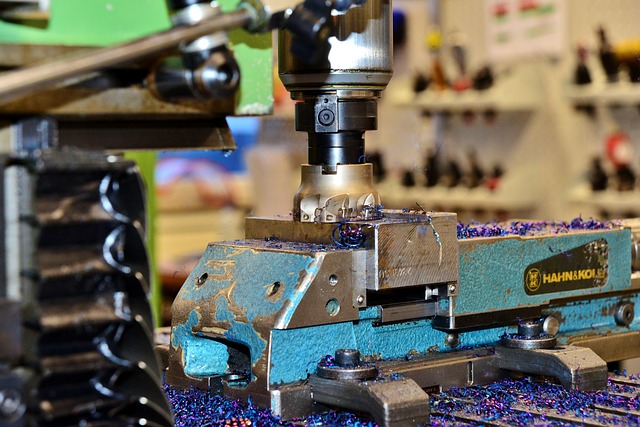
The Design Philosophy of the VF2SS
Built with high-speed machining in mind, the haas vf2ss emphasizes rigidity and precision. Its compact footprint maximizes workspace efficiency without compromising accessibility for operators. The integration of advanced spindle technology ensures consistent performance across long production runs, which is critical when machining tight-tolerance parts for aerospace or automotive applications.
Materials and Construction Quality
The VF2SS uses high-grade castings that reduce vibration during intensive cycles. A reinforced column and base maintain dimensional stability under heavy loads, which directly improves surface finish quality. Precision-ground linear guides contribute to repeatability, ensuring each part matches exact specifications regardless of batch size or material type.
Performance Capabilities That Define the VF2SS
Performance metrics are where the VF2SS truly distinguishes itself from standard models. Its spindle power, rapid motion capabilities, and thermal management systems combine to produce exceptional cycle times without sacrificing accuracy.
Spindle Power and Speed Characteristics
The 12,000 rpm inline direct-drive spindle allows smooth high-speed cutting across various materials. A balanced torque curve supports both light finishing passes and heavy roughing operations. Thermal stability systems maintain consistent spindle temperature, preventing drift in tool length compensation that can otherwise degrade part quality during long runs.
Rapid Motion and Acceleration Dynamics
With 1,400 ipm rapids, the VF2SS significantly improves cycle times while maintaining positional accuracy. Servo-driven axes provide responsive motion control for complex toolpaths often required in 3D contouring or mold work. Enhanced acceleration profiles help minimize dwell marks on surfaces—a small but important detail for industries where aesthetics meet function.
Advanced Control Systems and Software Integration
High-performance hardware needs equally capable control software. The Haas Control platform gives machinists flexibility to fine-tune parameters in real time while integrating seamlessly with digital manufacturing workflows.
Haas Control Interface Advantages
The intuitive interface allows real-time parameter adjustments during operation—a feature appreciated by seasoned programmers who need to tweak feeds or offsets mid-cycle. High-speed processing enables faster look-ahead for complex G-code programs, reducing hesitation at corners or intricate curves. Ethernet connectivity provides smooth integration with CAD/CAM systems used across multi-machine setups.
Automation and Data Monitoring Features
Optional probing systems streamline setup by automating part alignment and tool measurement tasks. Machine data collection tools assist with predictive maintenance planning by tracking spindle hours, load patterns, and alarm histories. Integration with HaasConnect enables remote monitoring so supervisors can check production status from anywhere through secure digital dashboards.
Tooling Flexibility and Workholding Compatibility
Tooling efficiency defines throughput in any CNC environment. The VF2SS offers both capacity and adaptability suited for complex manufacturing cells or standalone operations.
Tool Changer Efficiency and Capacity Options
Its 30+1 side-mount tool changer minimizes non-cutting time between operations by indexing tools quickly and reliably. This system supports multi-tool programs common in die-making or component prototyping environments. Compatibility with a wide range of tooling standards ensures users can reuse existing setups without costly conversions.
Workholding Adaptability for Complex Parts
The rigid table design accommodates multiple vises or custom fixtures simultaneously—ideal for batch machining small components or large assemblies requiring coordinated clamping points. Precision alignment features simplify fixture setup for repeat jobs, reducing downtime between runs. Compatibility with 4th-axis rotary tables expands geometry capability for parts requiring full-contour machining.
Applications Across Precision Machining Sectors
The haas vf2ss demonstrates versatility across specialized sectors that demand high accuracy under pressure—from aerospace brackets to surgical implants.
Aerospace Component Manufacturing
In aerospace work, maintaining tight tolerances on lightweight alloys such as titanium or aluminum is essential. The VF2SS’s structural rigidity supports this requirement while its spindle speed delivers clean finishes on intricate housings or turbine components used in propulsion systems.
Medical Device Fabrication
Medical device manufacturers rely on micro-machining precision when producing implants or surgical instruments. High spindle speeds combined with fine feed rates yield smooth surface finishes critical to biocompatibility standards enforced under ISO 13485 frameworks.
Automotive and Motorsport Engineering
Within automotive R&D labs or motorsport workshops, the VF2SS handles stainless steel or Inconel efficiently—materials typical in exhaust manifolds or transmission housings. Its ability to switch between prototype development and low-volume production makes it valuable where rapid iteration drives competitive advantage.
Comparing the VF2SS to Other Haas Models for Expert Users
Experienced machinists often compare models within Haas’s lineup before investing in new equipment. The VF2SS sits strategically between smaller office-friendly units like the Mini Mill series and larger platforms such as the VF4.
Distinguishing Features from the Standard VF2 Series
Compared with standard VF2 variants, the SS (Super Speed) model offers superior spindle speed and acceleration tuned specifically for high-volume production lines requiring reduced cycle times per component. An enhanced cooling system maintains performance consistency during extended runs typical in contract manufacturing environments. Optimized software options further improve control over advanced strategies like adaptive clearing or dynamic milling paths.
When to Choose VF2SS Over Larger or Smaller Models
The haas vf2ss strikes an ideal balance between footprint efficiency and cutting capability when dealing with mid-size parts such as valve bodies or bracket assemblies. It outperforms smaller models when surface finish quality matters at higher feed rates yet remains more economical than larger machines while retaining high-end precision characteristics expected from premium platforms.
FAQ
Q1: What makes the haas vf2ss different from other vertical machining centers?
A: It combines a 12,000 rpm direct-drive spindle with fast rapids and rigid construction tailored for high-speed precision work across diverse materials.
Q2: Can the VF2SS handle heavy-duty materials like titanium?
A: Yes, its torque curve supports both hard-metal cutting like titanium as well as lighter alloys without loss of accuracy.
Q3: How does HaasConnect benefit operators?
A: HaasConnect allows remote status monitoring through secure online access so managers can track uptime even offsite.
Q4: Is automation available on this model?
A: Optional probing systems automate setup tasks while data collection tools support predictive maintenance scheduling based on actual usage metrics.
Q5: Which industries most frequently use the haas vf2ss?
A: Aerospace component suppliers, medical device fabricators, automotive developers, and motorsport teams commonly use it due to its blend of speed, control precision, and reliability under continuous operation.