
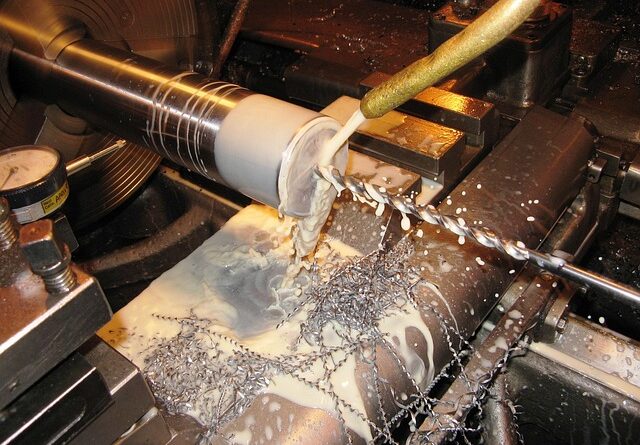
Is Lathe Mc Efficiency Affected by Surface Roughness in Kingston HJ-1700
Kingston HJ‑1700 Engine Lathe
Surface roughness directly affects both pressure distribution and machining efficiency in lathe operations. In the Kingston HJ‑1700 engine lathe, smoother surfaces reduce friction and energy loss, while rougher textures increase tool wear and heat generation. Pressure does depend on surface roughness because irregularities alter the contact area between tool and workpiece, influencing cutting force and energy transfer. A refined surface finish thus leads to lower resistance, better dimensional accuracy, and improved operational stability.
Understanding the Relationship Between Surface Roughness and Lathe Machine Efficiency
The link between surface roughness and efficiency in a lathe mc is complex yet measurable. Each parameter—Ra, Rz, or Rt—translates microscopic irregularities into quantitative data that engineers use to evaluate process performance. The Kingston HJ‑1700 lathe serves as a strong example of how these measurements influence both productivity and energy balance.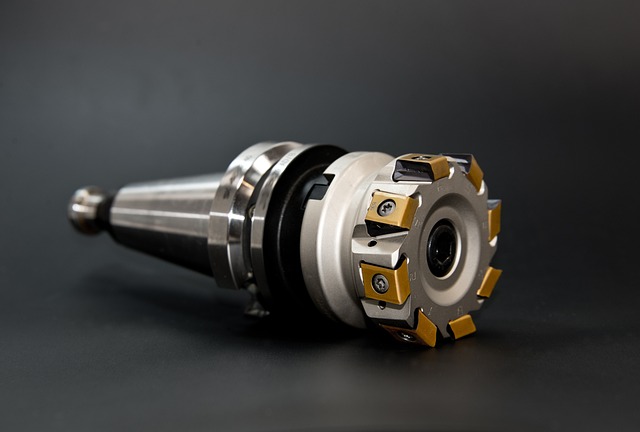
Defining Surface Roughness in Machining Contexts
Surface roughness refers to the microscopic irregularities formed during cutting operations. It is quantified using parameters such as Ra, Rz, and Rt. These parameters define how peaks and valleys on a machined surface deviate from an ideal plane. In precision turning, even a slight deviation can affect sealing performance or fatigue strength. The measurement of roughness directly influences performance evaluation in precision machining because it reflects both mechanical stability and process control.
How Efficiency is Defined in a Lathe Machine
Efficiency in a lathe mc involves the ratio between productive cutting time and total operational energy consumption. Tool wear rate, cutting speed, and feed rate contribute significantly to this ratio. In the Kingston HJ‑1700 lathe, efficiency metrics are often linked to spindle stability and surface finish quality. A stable spindle reduces vibration-induced roughness, improving both finish consistency and power utilization.
The Influence of Surface Roughness on Cutting Performance
Surface texture does not only determine visual quality but also defines how forces interact at the tool–workpiece interface. Variations in geometry or feed can shift this balance quickly, influencing both tool life and process repeatability.
Interaction Between Tool Geometry and Surface Finish
Tool nose radius, rake angle, and clearance angle affect surface formation during turning. A rougher surface may indicate improper tool geometry or excessive vibration from misalignment or imbalance. Optimizing tool geometry minimizes friction at the cutting edge, improving chip flow stability. For instance, increasing nose radius slightly can reduce peak height differences without sacrificing dimensional tolerance.
The Role of Feed Rate and Cutting Speed on Roughness
Higher feed rates typically increase surface roughness due to larger chip formation per revolution. Increased cutting speed can either improve or degrade finish depending on material properties such as hardness or thermal conductivity. On the Kingston HJ‑1700 lathe, balancing feed rate with spindle speed ensures consistent chip evacuation while avoiding chatter marks that elevate Ra values.
Energy Consumption and Frictional Effects Related to Surface Quality
Every machining cycle consumes energy proportional to frictional resistance at the contact zone. When surface texture deteriorates, this resistance rises sharply, affecting both temperature control and mechanical load distribution.
How Surface Roughness Influences Friction at the Tool–Workpiece Interface
Rougher surfaces increase contact area irregularities, leading to higher frictional resistance between tool flank and workpiece face. Elevated friction raises energy consumption and heat generation during turning operations. Proper lubrication combined with optimized cutting conditions helps mitigate these effects by reducing adhesion wear on the insert edge.
Correlation Between Surface Finish and Power Utilization in Lathe Operations
Smoother surfaces reduce power losses by minimizing mechanical drag within the spindle drive system. Energy-efficient machining depends on maintaining optimal surface texture within tolerance limits defined by ISO 4287 standards for arithmetic mean deviation (Ra). Monitoring spindle load variations provides insights into process stability related to roughness changes; sudden load spikes often signal onset of built-up edge formation or chatter vibration.
Material Behavior Under Varying Surface Conditions
Different alloys respond uniquely to variations in surface condition due to their microstructural characteristics. Understanding these responses allows engineers to tailor machining parameters for maximum efficiency without compromising part integrity.
Response of Different Alloys to Surface Roughness Variations
Harder materials like high-speed steels exhibit less influence from minor roughness deviations compared with softer alloys such as aluminum or brass. In ductile materials, surface irregularities can lead to built-up edge formation that alters effective rake angle and reduces efficiency. Material-specific calibration remains essential for accurate assessment of performance in precision lathes like the HJ‑1700 model used across toolrooms worldwide.
Thermal Effects Induced by Poor Surface Finish
Increased friction from rough surfaces elevates local temperatures at the cutting zone beyond recommended thresholds set by ISO 3685 for tool wear testing conditions. Thermal expansion under such conditions distorts workpiece dimensions and reduces machining accuracy over long runs. Controlling temperature through coolant flow optimization improves both finish uniformity and mechanical efficiency outcomes across production batches.
Process Optimization Strategies for Kingston HJ‑1700 Lathe Machines
The Kingston HJ‑1700 offers advanced control flexibility that supports adaptive tuning of parameters for desired finishes without manual trial-and-error adjustments common in older models.
Techniques for Minimizing Surface Roughness During Turning Operations
Adjusting Cutting Parameters for Optimal Finish
Fine-tuning feed rate, depth of cut, and spindle speed promotes stable chip removal while maintaining low vibration amplitude at high rotational speeds. Consistent monitoring prevents overcutting that could raise Ra values above specification limits.
Implementing Advanced Tool Coatings and Materials
Using coated carbide or ceramic inserts maintains sharp edges under heavy loads typical in continuous production cycles. These coatings—such as TiAlN or Al₂O₃—reduce adhesion tendencies on sticky materials like stainless steel while extending insert lifespan considerably.
Monitoring Systems for Efficiency Evaluation in Precision Lathes
Integration of Real-Time Sensor Feedback Systems
Employing vibration, temperature, and power sensors allows early detection of process deviations before they escalate into quality failures. For instance, an unexpected rise in current draw may indicate dull tooling or excessive friction due to poor lubrication film maintenance.
Data Analysis for Predictive Maintenance and Quality Control
Collected data trends reveal when surface degradation begins affecting efficiency metrics such as specific energy consumption (kWh/kg). Predictive maintenance scheduling based on these signals minimizes unplanned downtime while sustaining consistent output quality across shifts.
Practical Implications for Industrial Applications
Industrial users often face trade-offs between productivity targets and required finish levels dictated by client specifications or functional tolerances.
Balancing Productivity with Surface Integrity Requirements
Excessive pursuit of high production rates can compromise both surface quality and energy efficiency through accelerated wear mechanisms. Establishing an equilibrium between throughput goals and achievable finish ensures sustainable operation where neither cost nor reliability suffers disproportionately.
Enhancing Longevity of Tools and Components Through Controlled Roughness Levels
Maintaining moderate roughness extends tool life by reducing abrasive wear mechanisms associated with micro-cutting interactions along flank faces. Consistent control over texture also enhances component reliability within precision assemblies such as bearing housings or hydraulic valve seats where leakage sensitivity is critical.
FAQ
Q1: Does pressure depend on the roughness of the surface?
A: Yes. Pressure distribution varies with surface texture since contact area changes according to microscopic irregularities that alter load concentration during cutting engagement.
Q2: What happens if surface roughness increases during turning?
A: Increased roughness raises frictional resistance leading to higher power demand, elevated temperatures, faster tool wear, and potential dimensional inaccuracies.
Q3: How does feed rate affect efficiency in a lathe mc?
A: Excessive feed increases chip thickness causing greater cutting forces; moderate adjustment improves material removal without compromising finish quality or energy balance.
Q4: Why is coolant important when machining with Kingston HJ‑1700?
A: Coolant stabilizes thermal conditions by dissipating heat generated from friction; it prevents thermal distortion while enhancing lubrication along contact zones.
Q5: Can smoother surfaces extend machine component life?
A: Yes. Reduced friction lowers mechanical stress across bearings, spindles, and slides—resulting in prolonged service intervals for critical components within precision lathes like Kingston HJ‑1700.