
Are Countersink Bits the Key to Maximizing the 15 Most Useful Power Drill Attachments
The 15 Most Useful Power Drill Attachments
Power drills have evolved far beyond simple hole-making tools. Modern attachments transform them into multi-purpose systems that cut, sand, fasten, and finish with precision. Among these, countersink bits remain central to achieving professional-grade results. The most efficient setups combine drilling and finishing in one sequence, saving time while improving assembly quality. This article explores how countersink bits enhance power drill efficiency and examines fifteen essential attachments that define versatility in both workshop and field applications.
The Role of Countersink Bits in Power Drill Efficiency
Countersink bits are not merely accessories but precision tools that determine the final quality of drilled assemblies. Their geometry, material composition, and integration with other attachments directly influence drilling accuracy and surface finish.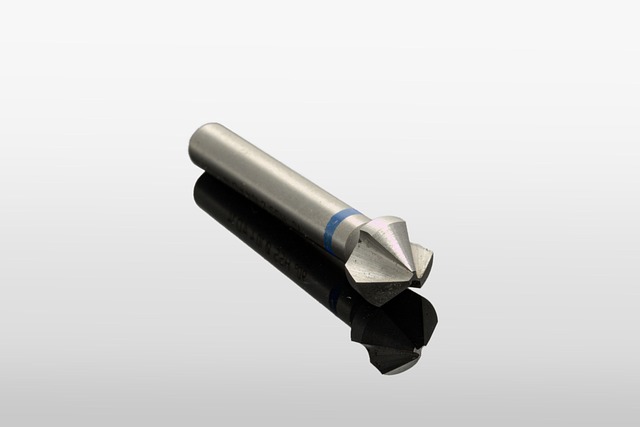
The Function and Design of Countersink Bits
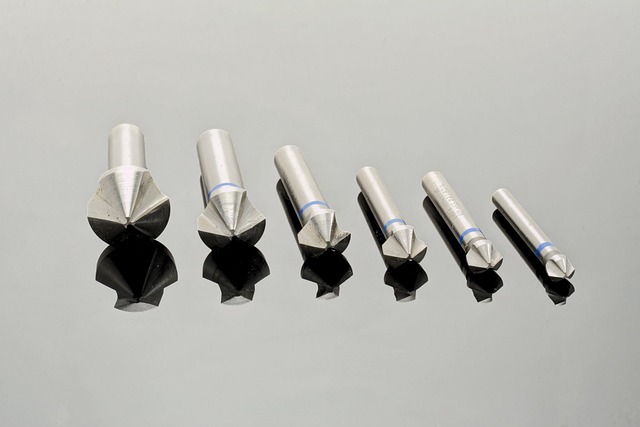
A countersink bit features a conical cutting head designed to create a tapered recess for screw heads. Common cutting angles include 82°, 90°, and 100°, each suited to different fastener standards. Single-flute bits provide smooth finishes on soft materials like wood, while multi-flute types manage harder substrates such as steel or composites by dispersing cutting loads evenly. Combination countersink bits integrate pilot drills, enabling both hole creation and recess shaping in one step.
Material selection also matters. High-speed steel (HSS) offers durability for general use, while carbide-tipped versions handle abrasive materials or heavy-duty cycles. Coatings like titanium nitride (TiN) or titanium aluminum nitride (TiAlN) further reduce friction and extend lifespan under high heat conditions.
How Countersink Bits Improve Drilling Precision
Countersink bits refine the interface between screw heads and material surfaces. By forming clean recesses, they allow screws to sit flush or slightly below the surface—critical for furniture joinery or aerospace components where aerodynamics matter. They also minimize tear-out around entry points by shearing fibers before the screw threads engage, which is particularly useful in laminated wood or thin metals.
Beyond functionality, proper countersinking enhances aesthetics and structural integrity. A flush screw head distributes load evenly across the joint surface, preventing stress concentrations that could lead to cracking or deformation over time.
Exploring the 15 Most Useful Power Drill Attachments
Modern drilling systems rely on a diverse set of attachments tailored for specific operations—from boring holes to finishing surfaces. Understanding their function helps professionals choose combinations that deliver precision without unnecessary tool changes.
Core Drilling Attachments for Versatility
Core drilling attachments form the backbone of any toolkit. They define how efficiently holes are produced across different materials.
Twist Drill Bits
Twist drill bits remain the standard choice for general-purpose drilling in wood, metal, or plastic. Their helical flutes evacuate chips effectively while maintaining alignment through various chuck sizes and torque settings. For best results, bit geometry should match material hardness; sharper angles suit softer woods while flatter tips perform better on metals.
Spade Bits
Spade bits excel at creating large-diameter holes quickly in wood structures such as framing or cabinetry backs. Their flat blades with center points allow aggressive material removal but sacrifice some precision compared to auger or Forstner bits. Professionals often pair spade bits with sanding drums afterward to refine rough edges.
Hole Saws
Hole saws cut circular openings for plumbing pipes, electrical fittings, or ventilation ducts. A pilot bit at their center stabilizes rotation during startup, reducing wandering on smooth surfaces like tile or sheet metal. Selecting bi-metal teeth extends service life when alternating between wood and metal tasks.
Finishing and Surface Treatment Attachments
After core drilling comes finishing—an equally critical phase affecting both appearance and performance of assemblies.
Countersink Bits as a Finishing Tool
Countersink bits serve dual roles: they deburr drilled holes by removing sharp edges and create chamfers that ease screw insertion. When combined with pilot drills in one assembly, they streamline workflow by merging two operations into a single pass—an advantage on production lines where seconds matter.
Sanding Drums and Discs
Sanding drums attach via mandrels to smooth surfaces after cutting or drilling operations. Choosing grit size depends on material hardness; coarse grits level uneven surfaces quickly while finer grits prepare them for painting or sealing. Disc attachments cover larger areas efficiently during finishing work on panels or flooring sections.
Fastening and Assembly Attachments
Once holes are prepared, fastening attachments transform drills into powerful assembly tools capable of handling complex builds.
Screwdriver Bit Sets
Comprehensive screwdriver sets include Phillips, Torx, square-drive, and hex profiles to match diverse fasteners used across industries from electronics to construction. Magnetic retention systems improve handling efficiency by holding screws securely even when working overhead or at awkward angles.
Nut Drivers and Socket Adapters
These attachments convert drills into compact impact wrenches ideal for driving bolts or lag screws during framing or machinery installation. Proper torque control prevents thread stripping—a common issue when using high-powered cordless drills without adjustable clutches.
Specialty Cutting Attachments
Advanced users often rely on specialty cutters for precise applications where standard bits fall short.
Step Drill Bits
Step drill bits feature multiple diameters along one tapered shaft allowing progressive hole enlargement without changing tools. They’re indispensable in sheet metal fabrication where deburring edges simultaneously saves time during electrical panel installations or HVAC ductwork preparation.
Right-Angle Drill Attachments
Right-angle adapters solve spatial constraints by redirecting torque at 90 degrees—essential when drilling between joists or inside cabinets where full-size drills cannot fit. Bearing quality directly affects torque transfer efficiency; low-grade bearings generate heat and vibration that shorten tool life.
The Interrelationship Between Countersink Bits and Other Attachments
Efficient workflows depend on how well each attachment complements others within a sequential process rather than operating independently.
Integrating Countersink Operations into Multi-Step Drilling Processes
Professional fabricators often sequence pilot drilling followed by countersinking before final fastening to maintain alignment accuracy across multiple joints. Using combination bit systems reduces tool changes while ensuring consistent depth control—a crucial factor in mass production environments like furniture assembly lines.
How Countersink Bits Complement Material-Specific Attachments
In woodworking projects, pairing spade bits with countersinks ensures clean entry points even in soft pine boards prone to splintering. In metalwork applications such as automotive brackets, performing step drilling first then finishing with a countersink enhances joint strength by eliminating burrs that could interfere with bolt seating surfaces.
Selecting the Right Countersink Bit for Professional Use
Choosing an appropriate countersink bit set involves balancing durability against cost while matching geometry to specific task requirements.
Material Considerations When Choosing a Countersink Bit Set
High-speed steel remains sufficient for moderate workloads but carbide-tipped variants outperform under continuous industrial use where abrasive composites are common. TiN coatings resist wear under friction-intensive conditions typical of stainless-steel fabrication shops; TiAlN coatings offer even higher oxidation resistance at elevated temperatures generated during prolonged runs.
Matching Bit Geometry to Application Requirements
Flute design governs chip evacuation efficiency—wide single flutes clear softwood shavings rapidly while narrow multi-flutes handle harder alloys without chatter. Angle choice aligns with screw standards: 82° fits most U.S.-made fasteners whereas 90° suits European hardware commonly used in architectural fittings.
Maximizing Performance Through Proper Maintenance and Technique
Even premium tools degrade quickly if neglected; disciplined maintenance extends lifespan significantly while technique refines outcomes beyond what specifications alone can guarantee.
Maintenance Practices for Extended Tool Life
Regular cleaning prevents resin buildup from woodworking resins that cause overheating during subsequent cuts. Light oiling guards against corrosion when stored long-term in humid environments. Sharpening using fine grinding stones restores edge geometry lost through repeated use without altering cutting angle integrity.
Drilling Techniques That Enhance Results
Feed rate control minimizes chatter particularly when transitioning from dense hardwoods to softer layers beneath veneers. Applying lubrication such as light machine oil during metal drilling dissipates heat effectively reducing discoloration around hole perimeters—a small detail but noticeable in visible assemblies like stainless enclosures.
Evaluating Whether Countersink Bits Are Central to Drill Attachment Optimization?
The debate about whether countersinking is indispensable often hinges on workflow priorities rather than necessity alone; yet its contribution remains measurable across performance metrics from speed to finish consistency.
Assessing Their Contribution to Workflow Efficiency
By combining drilling and finishing steps into one motion using integrated countersinks, operators save both setup time and tool wear cycles—an advantage magnified across hundreds of repeated joints in cabinetry production lines or aerospace panel assembly processes where uniformity defines quality assurance benchmarks.
The Strategic Value of Countersinking in Professional Fabrication
Countersinking influences not only visual appeal but also mechanical reliability by aligning fasteners precisely within load paths designed by engineers during structural modeling stages. In scenarios demanding sealed surfaces—marine decking for example—flush screws prevent moisture intrusion better than raised heads secured through flat bores alone.
FAQ
Q1: What is the standard angle for most countersink bits?
A: The most common angles are 82° for American screws and 90° for metric standards used internationally.
Q2: Can a single-flute countersink be used on metal?
A: It can be used occasionally but multi-flute designs handle metals more smoothly due to balanced cutting forces that reduce vibration.
Q3: Why do some professionals prefer combination drill-countersinks?
A: They eliminate tool changes between steps which improves throughput especially during repetitive fastening operations like furniture manufacturing.
Q4: How often should a countersink bit be sharpened?
A: Frequency depends on workload intensity but typically after several hundred uses noticeable dullness indicates it’s time for regrinding under controlled angles.
Q5: Does coating color indicate performance difference?
A: Yes; gold-colored TiN coatings resist wear moderately well while darker violet TiAlN coatings withstand higher temperatures found in continuous industrial machining tasks.