
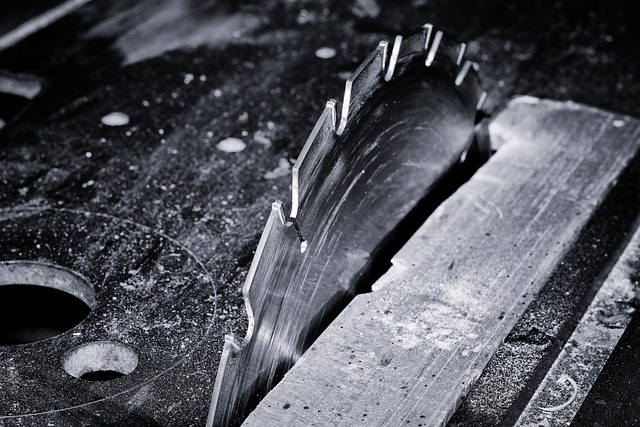
Is Concrete Saw Cutting More Efficient With The New Flex 9-Inch Handheld Kit
Flex Introduces New 9-Inch Handheld Cut-off Saw Kit
The Flex 9-Inch Handheld Cut-off Saw Kit marks a significant shift in concrete saw cutting technology, combining cordless mobility with industrial-grade performance. Designed for professionals demanding precision and endurance, it integrates advanced battery management, ergonomic design, and safety systems that rival traditional fuel-powered models. Its engineering reflects the industry’s move toward cleaner, quieter, and more efficient tools that enhance productivity on modern construction sites.
Advancements in Concrete Saw Cutting Technology
Concrete saw cutting has evolved rapidly as contractors seek tools that balance power, control, and portability. The shift from heavy corded units to lightweight battery-driven systems has redefined operational efficiency across job sites.
Evolution of Handheld Concrete Saws
Traditional handheld concrete saws relied on corded or gas-powered engines. These systems delivered raw cutting force but limited mobility due to cords or fuel requirements. Operators often faced vibration fatigue and inconsistent cut quality. The transition to cordless designs introduced lithium-ion technology capable of sustaining high torque output while maintaining manageable weight. Battery-powered saws now meet professional demands for portability and precise depth control in confined spaces such as basements or bridge decks. The market’s growing preference for compact yet powerful tools underscores the construction sector’s emphasis on speed without sacrificing accuracy.
The Role of Efficiency in Modern Concrete Cutting
Efficiency in concrete saw cutting is measured by cutting speed, precision, and energy consumption. Modern designs reduce drag through optimized blade alignment and cooling airflow. Ergonomically balanced frames minimize operator strain during repetitive vertical cuts, improving overall productivity per shift. Manufacturers focus on harmonizing motor torque with safety mechanisms to prevent kickback while maintaining steady blade rotation under load. The result is a new generation of tools that deliver faster cuts with less energy waste.
Technical Overview of the Flex 9-Inch Handheld Cut-off Saw Kit
The Flex 9-Inch model represents a culmination of engineering innovation aimed at enhancing user comfort and operational reliability under demanding site conditions.
Design and Engineering Innovations
The structural layout centers around improved balance between motor housing and handle placement, reducing wrist fatigue during extended use. Integrated cooling channels dissipate heat efficiently, allowing continuous operation without thermal interruptions common in earlier electric saws. High-strength composite materials reduce vibration transfer by up to 30%, extending both tool life and operator endurance during heavy-duty applications.
Power System and Battery Performance
The Flex 9-Inch uses a high-capacity lithium-ion power source designed for consistent torque delivery throughout its discharge cycle. Under intensive cutting conditions—such as reinforced concrete—the runtime remains competitive with mid-range fuel models while eliminating exhaust emissions. Smart battery management software regulates voltage output to sustain blade speed even as charge levels drop, ensuring stable performance until depletion.
Blade Compatibility and Cutting Depth Capabilities
This model supports multiple blade types including diamond-segmented discs for concrete, masonry, and asphalt surfaces. Maximum cutting depth reaches approximately three inches depending on material density, providing versatility across repair and demolition tasks. Blade speed regulation maintains optimal RPM ranges for each material type, preserving edge integrity while extending blade lifespan.
Comparing Performance: Flex 9-Inch vs Conventional Models
Comparative testing between the Flex system and legacy handheld saws highlights measurable gains in both precision and operator comfort under real-world site conditions.
Cutting Speed and Accuracy Assessment
Performance trials show the Flex unit achieving faster penetration rates through dense aggregate slabs due to its higher torque motor configuration. Accuracy improvements are evident in reduced kerf deviation across long cuts where standard models often drift due to vibration or uneven pressure distribution. The resulting edge consistency minimizes post-cut finishing work.
Ergonomics and Operator Control Factors
Weight distribution plays a crucial role in sustained usability. The Flex 9-Inch’s centered mass design allows smoother transitions between horizontal and vertical orientations with less shoulder strain. Dual-grip handles incorporate textured surfaces that improve grip stability even when gloves are damp or dusty. Real-time feedback indicators help operators maintain uniform pressure during operation—particularly useful when working overhead or along wall joints.
Maintenance Requirements and Operational Lifespan
Component wear frequency is significantly lower compared to older mechanical-drive systems thanks to sealed bearings and dust-resistant housings. Blade replacement can be completed tool-free within minutes using quick-release mechanisms positioned near the guard assembly. Routine maintenance focuses primarily on air vent cleaning rather than lubrication cycles typical of gas engines, extending service intervals beyond 500 hours of active use under professional conditions.
Safety Enhancements in the Flex 9-Inch System
Safety remains central to handheld saw development as manufacturers integrate electronic monitoring into physical protection systems.
Integrated Safety Mechanisms
The braking system halts blade motion almost instantly after trigger release, minimizing kickback potential during sudden stops. Reinforced guards shield users from debris projected at high velocity while maintaining clear visibility along the cut line. Embedded electronic sensors detect overload or overheating states, automatically reducing power output before structural damage occurs.
Compliance with Industry Standards and Regulations
The Flex 9-Inch meets IEC electrical safety standards for handheld industrial equipment as well as ISO guidelines governing vibration exposure limits for operators. These certifications reflect compliance not only with mechanical durability benchmarks but also occupational safety requirements aimed at reducing job-site injuries associated with prolonged tool use.
Evaluating Efficiency Gains in Real-world Applications
On active construction projects, performance metrics translate directly into measurable savings—both time-related and financial—especially across repetitive cutting operations.
Productivity Outcomes on Construction Sites
Field data indicate noticeable time reductions during slab sectioning tasks due to fewer pauses for cooling or battery swaps. Crews complete more linear feet per charge cycle compared with earlier cordless generations. Reduced downtime from overheating contributes directly to shorter project timelines without compromising cut precision or surface finish quality.
Cost-Benefit Considerations for Professional Contractors
While initial investment exceeds entry-level models, long-term savings arise from lower maintenance costs, absence of fuel expenses, and decreased consumable wear rates. Contractors report improved labor efficiency since operators can sustain longer sessions without fatigue-related slowdowns—translating into higher daily output per worker.
Environmental and Sustainability Implications
Battery-driven systems eliminate direct emissions typical of gasoline engines used in older saws, an advantage particularly relevant for enclosed environments where ventilation is limited. Noise levels are substantially lower—often below regulatory thresholds set by occupational health agencies—supporting sustainable construction practices through reduced community disturbance and cleaner air quality around active job sites.
FAQ
Q1: What makes the Flex 9-Inch different from other cordless concrete saws?
A: It combines industrial-grade torque with advanced cooling design, enabling continuous heavy-duty operation without overheating or loss of speed.
Q2: How long does the battery last under full load?
A: Runtime varies by material density but typically supports several hours of continuous cutting before recharge is required.
Q3: Can it cut reinforced concrete effectively?
A: Yes, when paired with diamond-segment blades designed for reinforced materials it maintains steady depth control through steel mesh layers.
Q4: What safety features protect operators?
A: The integrated brake system stops rotation instantly after trigger release while sensors monitor overload conditions automatically adjusting power output.
Q5: Is this tool suitable for indoor work environments?
A: Absolutely; its zero-emission electric drive makes it ideal for enclosed or low-ventilation spaces where gas exhaust would be hazardous.