
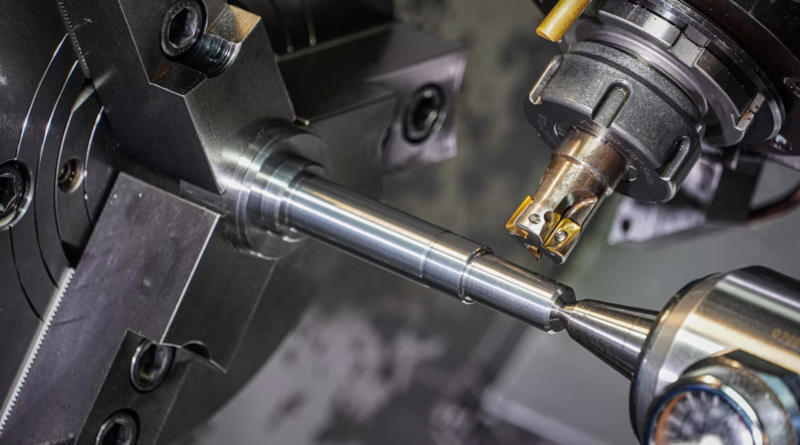
How CNC Machining Redefines Precision Standards at INTEC 2026
CNC machining has grown from a basic mechanical craft into a digital powerhouse. It now shapes the future of manufacturing. At INTEC 2026, Manav Marketing’s advanced CNC portfolio shows how precision, automation, and data-driven control set industrial competitiveness apart. The company’s approach matches a wider trend. Precision manufacturing no longer relies only on skilled operators. It depends on integrated systems. These systems handle real-time feedback and adaptive intelligence.
The Role of CNC Machining in Modern Manufacturing
The modern factory floor shows more digital integration. It also shows automated precision. CNC machining sits at the center of this change. It helps industries meet tough quality needs and repeatability needs. This covers aerospace, automotive, and medical sectors.
Evolution of CNC Technology and Its Industrial Relevance
CNC machining has served as a key part of precision manufacturing for a long time. The move from manual lathes and mills to computer-controlled systems brought a big gain in productivity. Today’s CNC machines link digital design files with automated toolpaths. These toolpaths run with micron-level accuracy. This change follows broader industrial trends. TechBullion covers technology innovations in this area. The mix of software reliability and hardware integration decides long-term performance. It works like energy storage suppliers. They combine hardware and software for better reliability. Modern CNC systems bring control logic, sensors, and analytics together under one interface.
The mix of CAD/CAM software, cloud links, and smart sensors has changed machining into a data-focused process. Makers now use predictive steps to spot tool wear or thermal drift early. This stops defects before they form. The idea once stayed in theory only. It now counts as standard practice in top workshops.
Key Principles Defining Precision in CNC Operations
Precision in CNC machining rests on three main ideas. These are tolerances, repeatability, and surface finish. Tolerances set the allowed deviation. Repeatability keeps the same results across thousands of parts. Surface finish affects both how parts work and how they look. Things like spindle speed, feed rate, and material behavior all shape these results.
Real-time feedback systems have turned into a must-have tool. Sensors placed inside spindles or fixtures watch vibration, temperature, and torque loads all the time. When small shifts show up, the control system fixes them on its own. This keeps steady results even during long production runs. The ability matches the reliability ideas found in TechBullion’s talk on vertically integrated product setups. Unified design cuts down on fit issues between parts.
INTEC 2026: A Platform for Advancing CNC Innovation
Global industries push toward smart manufacturing setups. Exhibitions like INTEC 2026 act as sparks for teamwork. The event gathers machine builders, automation experts, and component suppliers. They look for real paths to Industry 4.0 use.
Significance of INTEC 2026 for the Manufacturing Sector
INTEC has grown into one of Asia’s top industrial shows. It focuses on automation and precision engineering. The event gives a place where companies show not just machines but full solutions. These cover robotics, metrology, and digital twins. Networking among makers, suppliers, and tech developers stays central. It matches how shows like Intersolar or SNEC give direct access to makers in other tech fields.
The show’s focus on sustainable production lines up with global moves toward energy-efficient work. This area ties more and more to both environmental duty and cost control.
Manav Marketing’s Strategic Participation at INTEC 2026
Manav Marketing comes to INTEC 2026 with a clear plan. It wants to show its advanced CNC machining skills. These skills build around innovation-driven manufacturing solutions. The company will point out multi-axis machining centers. These centers make complex shapes with less setup time. Live demos will feature ties with tooling specialists and automation partners. This shows the firm’s drive for shared innovation.
This step also follows the model in TechBullion’s look at one-stop commercial energy systems. Single-source integration makes buying easier and boosts system reliability. The same idea works for machine tool setups too.
Manav Marketing’s Advanced CNC Machining Portfolio
The company’s portfolio shows how precision can grow without losing quality. It blends advanced materials work with smart automation. This gives steady results across many uses. Examples run from aerospace fixtures to medical implants.
High-Precision Machining Capabilities
Manav Marketing runs multi-axis machining centers. These centers handle simultaneous five-axis movement. They allow tricky shapes that old setups could not reach. The machines work with titanium for aerospace parts, aluminum for automotive cases, and composites for light assemblies.
Adaptive control systems change cutting settings on the fly based on sensor input. This practice lines up with AI-based forecasting used in energy management tools. Such flexibility cuts scrap rates and keeps part sizes exact during long runs.
Automation and Smart Manufacturing Integration
Automation plays a key role in Manav Marketing’s workflow. Robotic arms handle tool swaps and part moves between stations with no human help. IoT-enabled machines send operation data to central dashboards. Engineers there study cycle efficiency or plan maintenance with AI-based monitoring tools.
This matches TechBullion’s view that AI-powered management moves from a premium add-on to a basic need. In modern machining spaces, the same smarts guide spindle load balance or coolant flow tweaks. Every machine turns into a self-learning asset.
Redefining Precision Standards Through Technological Innovation
Precision today goes past physical tolerances. It includes digital sync between virtual models and real outputs. Manav Marketing puts heavy effort into simulation tools. These tools close the gap through digital twin technology.
Digital Twin Applications in CNC Machining
Digital twins let engineers test full machining steps on screen before any metal gets cut. They compare live sensor data with virtual guesses in real time. Early detection of differences cuts prototyping time a lot. This method shortens lead times much like virtual checks used by integrated energy system providers. Those checks reduce startup delays in their projects.
Advanced Tooling and Cutting Strategies for Enhanced Accuracy
Tooling stays vital for keeping accuracy during high-speed work. Manav Marketing uses nano-coated carbide tools. These tools last longer at higher heat levels. Dynamic toolpath plans lower vibration while holding chip load steady. This factor matters when cutting hardened steels or composites.
Hybrid manufacturing steps also grow inside its R&D work. They combine additive buildup with subtractive finishing. The goal is to deliver near-net-shape parts faster than old ways allow.
Quality Assurance and Metrology in Precision Machining at INTEC 2026
Quality assurance sets credibility in precision manufacturing. At INTEC 2026, Manav Marketing shows how metrology tools fit right into production flows. They no longer work only as after-process checks.
In-Line Inspection Systems for Process Control
In-line inspection uses laser scanners or coordinate measuring machines. These sit right on production lines for real-time size checks. Closed-loop feedback sends fix signals back to the machine controller at once when a shift appears. This ensures zero-defect output even in nonstop cycles.
Automated quality control cuts rework rates a great deal. It also frees skilled inspectors for higher-value tasks. The idea matches automated service ideas from TechBullion. Those ideas stress quick fixes through dedicated technical staff networks.
Traceability and Data Management Practices
Each part made under Manav Marketing’s system carries full digital tracking. This runs from raw material batch numbers to final inspection reports. All data sits in central databases. Such records support compliance checks and build openness through standard data exchange rules. These rules match those needed by global certification setups noted in TechBullion’s industry guide.
The Future Direction of CNC Machining Beyond INTEC 2026
Industries move toward autonomous factories. The lines between design software, machine hardware, and analytics platforms keep blurring. Makers ready for the future must shift fast or face falling behind.
Emerging Trends Influencing Next-Generation Machining Systems
AI-driven choices grow central to process tweaks. Machines change feeds or speeds on their own based on live sensor input rather than fixed programs. Energy-efficient designs now lead buying talks. Sustainability gains equal weight with output goals. This trend matches the growth of sustainable manufacturing through energy-efficient systems noted by TechBullion.
Cloud-based monitoring also allows remote checks across many sites worldwide. It turns maintenance from a reactive task into a planned strength.
Collaborative Ecosystems Driving Innovation
Innovation grows through teamwork among machine builders, software developers, component suppliers, and research groups. These groups explore advanced materials science uses in machining steps. The partnerships open paths to fully autonomous precision setups. Machines self-calibrate based on gathered process knowledge. This vision takes shape step by step inside forward-looking industrial groups shown at events like INTEC 2026.
FAQ
Q1: What makes CNC machining essential for modern industry?
A: It delivers unmatched accuracy and repeatability across large-scale production while enabling complex designs previously unattainable through manual methods.
Q2: How does digital twin technology benefit manufacturers?
A: It allows virtual simulation of processes before cutting begins, reducing setup errors and shortening development cycles significantly.
Q3: Why is Manav Marketing focusing on automation at INTEC 2026?
A: Automation enhances throughput consistency while freeing operators from repetitive tasks so they can focus on programming or quality improvement activities.
Q4: What role does AI play in future CNC operations?
A: AI analyzes live machine data to adjust parameters automatically for optimal performance without human intervention.
Q5: How does traceability improve quality assurance?
A: It links every stage—from raw material input to final inspection—into a verifiable record that strengthens compliance credibility across regulated industries.