
Should You Buy Used Construction Equipment or New Machines in 2026?
Why Is Used Construction Equipment Worth a Serious Look?
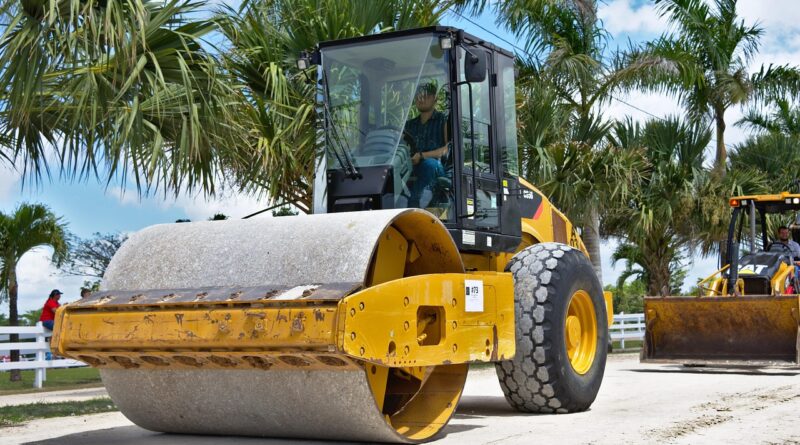
Buying used construction equipment is not just a backup plan for small contractors anymore. In 2026, many firms use it as a normal fleet choice when they need more capacity, quicker delivery, and less cash tied up in iron. A used excavator, loader, dozer, or compact track loader can be earning on site while a new machine is still waiting in a dealer pipeline.
The market numbers point the same way. EquipmentWatch’s September 2025 State of the Construction Equipment Economy report said 32% of respondents planned to purchase used machines, up from 27% in 2024. It also found that 36% planned to switch between renting and buying based on project needs. That is what many buyers are doing now: staying flexible, watching cash, and not locking themselves into one buying habit.
Lower Capital Outlay
Used machines usually need less cash on day one than new units, and that helps when bids are tight or customer payments come in slowly. A contractor replacing a tired skid steer may not need the latest cab screen or telematics package.
A clean three year old unit with good tires, tight pins, and a service file can do the same daily work for less money. The savings also leave room for attachments, transport, or the first round of service after delivery.
Faster Jobsite Availability
Availability matters when the crew is already booked and the start date is close. Used construction equipment can often be inspected, financed, shipped, and put to work in a shorter window.
That timing can matter on seasonal paving, utility repair, storm cleanup, site prep, or a warehouse slab job where one missing loader slows the whole line. It is not exciting, but on a real jobsite it is often the difference between keeping the schedule and paying for delay.
Better Fit for Mixed Fleets
A mixed fleet gives a contractor more room to match machine age with the risk of the job. You might keep a newer excavator on tight production work and buy a used backhoe for lighter support tasks.
This kind of mix can reduce idle capital without leaving the crew short when work picks up. It also lets the fleet manager put the most reliable units on the most time-sensitive work.
How Do You Read the Market Before You Buy?
A good deal starts before the inspection. Used equipment pricing changes by machine type, region, age, hours, financing cost, and auction timing. One broad price trend can send you the wrong way, so it is better to compare several market signals before making an offer.
New Machine Prices Set the Ceiling
New equipment costs still have a strong pull on used values. The Bureau of Labor Statistics construction machinery and equipment Producer Price Index, shown through FRED, stood at 324.493 in June 2026 on a 1982=100 basis.
That figure will not price one excavator for you, but it explains part of the buying mood. When new machinery stays expensive, more contractors take used machines seriously instead of waiting for a new order.
Auction and Retail Prices Tell Different Stories
Ritchie Bros. reported in its August 2025 Q2 market update that U.S. construction auction prices were down about 1% from the prior quarter. In the same period, Rouse retail used equipment data showed U.S. construction and transportation prices up about 1% from the prior quarter.
The simple read is that auction and dealer retail channels do not always move together. A buyer who checks only one channel may miss a better signal on current pricing.
Project Demand Changes Real Value
Demand can push up values for machines tied to busy work. The Associated General Contractors of America and Sage 2025 outlook showed positive expectations in 15 of 17 construction categories, with data centers at a 42% net positive reading, water and sewer at 35%, and power projects at 32%.
If your region has a lot of utility and energy work, good excavators and loaders may not stay cheap for long. Local demand often matters more than a national average when you are trying to buy the right unit at the right time.
Which Used Machines Usually Make the Most Sense?
The best used machine is not always the cheapest one on the list. It is the machine that fits your work, has parts support nearby, and still has enough life left to finish jobs without turning every Monday morning into a repair meeting.
Excavators for Utility and Site Prep
Excavators are common used purchases because they handle many types of work, including trenching, basements, demolition sorting, drainage, clearing, and pipe work. When you inspect one, spend time on boom wear, swing bearing play, final drives, hydraulic leaks, and bucket fit.
Hours matter, but they do not tell the whole story. A low hour excavator with poor grease habits can be worse than a higher hour machine with clean records and steady maintenance.
Loaders for Material Handling
Wheel loaders and compact loaders earn their keep in yards, aggregate handling, snow work, recycling, road crews, and building sites. Ritchie Bros. noted year over year price declines for excavators and wheel loaders in Q2 2025 auction data, so buyers had some room to compare.
Even with that price movement, condition still decides the real bargain. A cheaper loader with worn tires, loose pins, and weak hydraulics can eat up the discount quickly.
Compact Equipment for Tight Work
Skid steers, compact track loaders, and mini excavators are popular because they move between jobs without much trouble. Check track wear, auxiliary hydraulics, quick couplers, electronics, and attachment history before you talk price.
A compact track loader that spent its life grinding concrete may look clean after paint and a wash. Underneath, it can still carry wear that costs real money after the first few weeks of work. See also: CNC Machining.
What Should You Inspect Before Signing?
A used machine inspection should be plain, detailed, and a bit skeptical. Do not get pulled in by fresh paint, a tidy cab, or a low advertised price. Good buyers slow the process down and ask for proof.
Service Records and Hour Meter Logic
Compare hour meter readings with service dates, filter labels, wear points, and dealer records. If a machine shows low hours but has a loose seat, worn pedals, sloppy pins, and mismatched tires, ask more questions.
EquipmentWatch notes that used equipment value is affected by manufacturer, configuration, usage, age, and mechanical condition. That is why paperwork and physical wear should be checked together, not separately.
Undercarriage, Hydraulics, and Attachments
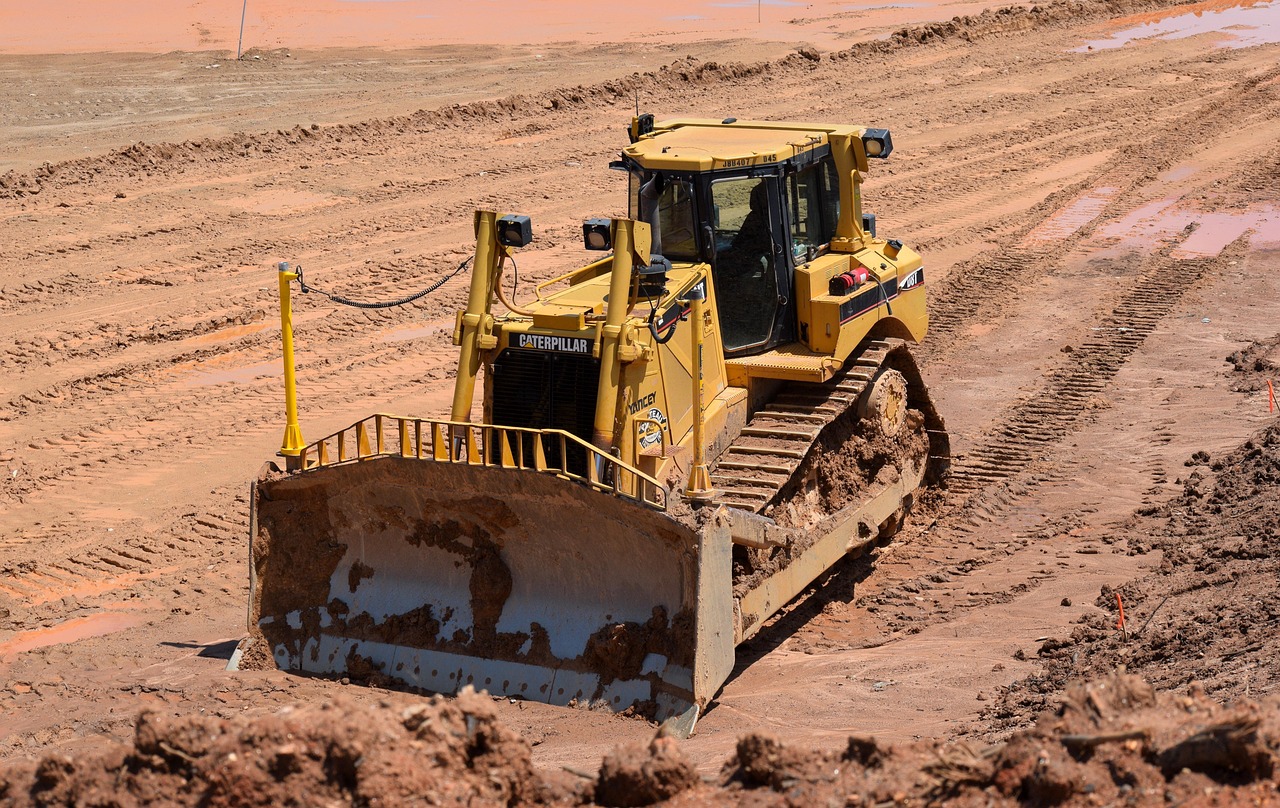
Undercarriage repairs can wipe out a discount fast. On tracked machines, check rollers, idlers, sprockets, chains, pads, and tension before you agree on a number.
For hydraulic systems, warm the machine first, then test boom, stick, bucket, travel, and auxiliary functions. A simple checklist helps keep the inspection from turning into guesswork:
- Look for leaks after the machine reaches operating temperature.
- Test every gear, steering mode, brake, light, alarm, and attachment line.
- Ask for oil sample results when the purchase value justifies it.
Safety Devices and Operator Controls
Safety is not a side issue when buying equipment. OSHA reported in November 2024 that federal OSHA investigated 826 worker deaths in fiscal year 2024, down 11% from the previous year, and it still pointed to falls and trench collapses as serious hazards.
For equipment buyers, alarms, guards, ROPS, seat belts, backup cameras, brakes, and control labels should be part of the purchase check. Treat them as buying criteria, not as small extras to fix later.
How Should You Compare Total Cost Against New Equipment?
The useful comparison is not used price versus new price. It is total cost versus expected work. Add financing, freight, taxes, setup, repairs, attachments, fuel, downtime, resale value, and the cost of a rental backup if the machine fails during a key job.
Purchase Price Is Only the First Line
A cheaper machine can cost more if it needs tires, hoses, pins, glass, a bucket rebuild, and a 500 hour service right away. Ask the seller what work has already been done, then price the work that is still waiting.
If the first month looks like a pile of repair orders, put that number into the offer. The buy price should reflect the real condition, not just the asking price on the listing.
Downtime Risk Needs a Dollar Figure
Downtime has a real cost, even when it does not show up on the invoice right away. If one loader supports six trucks, a broken loader can stop more than one operator.
Put a daily value on lost production, then compare it with the price gap between a rough machine and a cleaner one. Sometimes the dull, higher-priced unit is the cheaper choice after two busy months.
Resale Value Starts on Purchase Day
Resale starts the day you buy the machine. EquipmentWatch says its value tools consider recent resale activity and longer auction activity when estimating values.
That is a useful point for any fleet buyer. Brand support, documented maintenance, normal hours, common attachments, and clean ownership papers all help later. If the exit looks difficult, the entry price should be lower.
FAQ
Q1: Is Used Construction Equipment Better Than New Equipment? A: It can be better when you need faster availability, lower upfront cost, and proven performance. New equipment may be the better fit when warranty coverage, custom specs, or emissions requirements are the main concern.
Q2: How Many Hours Are Too Many on a Used Excavator? A: There is no single safe number. Hours need to be checked against service history, application, oil samples, undercarriage wear, hydraulic condition, and brand support. A well maintained machine with higher hours can beat a neglected low hour unit.
Q3: Should You Buy from an Auction or a Dealer? A: Auctions can show current market pricing and broad choice, while dealers may offer inspection help, financing, service history, or limited support. Check both channels before you set your maximum bid or offer.
Q4: What Is the Biggest Red Flag When Buying Used Equipment? A: Missing records paired with fresh paint is a major warning sign. Also be careful with unclear ownership papers, inactive safety devices, hidden leaks, and sellers who rush the inspection.
Q5: How Can You Avoid Overpaying for Used Construction Equipment? A: Check recent auction results, dealer listings, service records, local demand, freight cost, and expected repair work. Then set a walk away price before you negotiate.