
Which Forklift Is Best for Your Warehouse Electric vs IC vs Rough Terrain?
A forklift can save a lot of time on the floor, but the wrong truck can make every pallet move slower, wear out tires, or create a safety issue near dock doors. If you are buying equipment for manufacturing, warehousing, or yard handling, look at the work first and the sales sheet second. You can also browse more industrial handling topics in the Equipment & Machines section.
The safety side is real. In a June 2025 National Forklift Safety Day speech, OSHA said the Bureau of Labor Statistics reported 67 workplace fatalities in forklift-related incidents in private industry in 2023. OSHA also said its Powered Industrial Truck Standard ranked sixth across all industries in fiscal year 2024, with more than 2,400 citations and more than $8 million in penalties. For a buyer, that says one thing clearly: a forklift purchase is a production choice and a safety choice at the same time.
What Does a Forklift Really Need to Do in Your Facility?
Before comparing brands, write down the daily job in plain words. What is the heaviest pallet, how high does it go, and where does the truck have to travel? Is the route smooth, wet, narrow, sloped, crowded, or all of those in one shift? The right choice usually comes from these basic details. In many plants, the rough corner by the scrap bin tells you more than the clean demo space.
Load Weight and Load Center
Rated capacity only helps when it matches the real load center. Many standard pallets put weight near a 24-inch load center, but long steel bundles, bagged material, dies, and odd fixtures can move the load center forward. When that happens, the truck may not lift the full number shown on the nameplate. Check the data plate for capacity at height and with each attachment. A side shifter, fork positioner, clamp, or boom changes the rating, so it should be included in the check before the truck is ordered.
Aisle Width and Rack Height
A sit-down counterbalance truck is familiar to many operators, but it may need more aisle space than a reach truck. If your racks are high and aisles are tight, a Class II narrow aisle truck may be a better fit than a larger counterbalance unit. For a quick site check, tape the floor around a real pallet and test the turn with a borrowed or rental unit. Manufacturer turning data is useful, but a live test catches post guards, rack legs, drain covers, and the column that gets ignored until delivery day.
Floor Condition and Traffic Flow
Smooth concrete works well with cushion tires and indoor electric models. Broken yard pavement, gravel edges, rail spurs, and outdoor loading areas usually need pneumatic tires or rough terrain equipment. Traffic flow also matters because a good truck can still be unsafe in a bad layout. If pedestrians cross travel lanes all day, the answer may include blue lights, alarms, speed control, mirrors, and marked walkways, not just another forklift model.
Should You Choose an Electric Forklift or an IC Forklift?
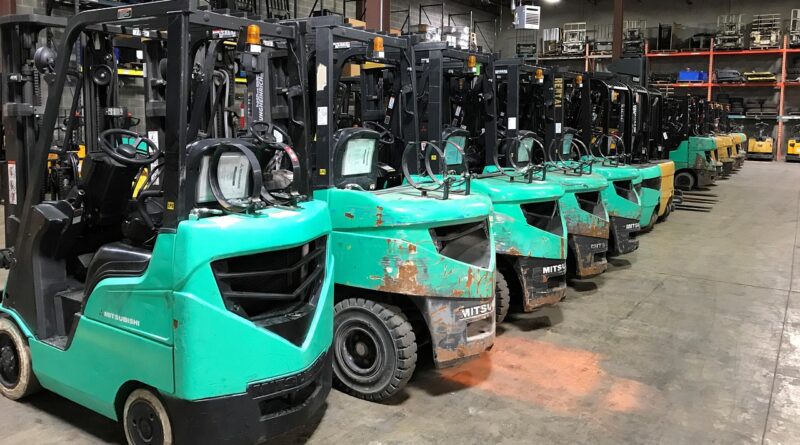
Electric and internal combustion trucks both have a place in material handling. The better option depends on air quality, run time, load weight, ground condition, and how your team handles service. Many warehouse jobs are moving toward electric. Alta Equipment Group reported in its 2023 annual report, citing Industrial Truck Association data, that U.S. factory shipments of Class 1 to 5 lift trucks reached a record 300,000 units in 2023, and about two-thirds of North American lift trucks sold that year were electric.
Electric Power for Indoor Duty
Electric forklifts suit food plants, finished goods warehouses, cold storage, and indoor assembly areas because they have no tailpipe exhaust at the point of use. They also run with less noise, which matters when operators and pickers spend a full shift near shipping lanes. Electric models often have fewer routine engine service items than IC trucks. Even so, batteries, chargers, cables, and charging habits still need regular attention.
Propane or Diesel for Harsh Duty
Internal combustion trucks still do useful work in yards, lumber operations, masonry, metal handling, recycling, and other rough duty areas. Propane models are common when the job moves between indoor and outdoor areas, while diesel often fits heavier outdoor service. Before buying, check ventilation, fuel storage, local rules, and emission limits. A truck that looks cheaper on the quote can cost more later if it cannot legally or safely run where your team needs it.
Battery Planning and Charger Space
Battery planning is where many forklift projects run into trouble. A single shift may work with one battery and overnight charging. Two shifts may need opportunity charging, lithium power, or battery exchange. Three shifts need a closer look at charger capacity, electrical panels, cooling, operator habits, and backup units. Ask the dealer to map run time around your loads and travel distance, not only around an average brochure cycle.
Which Forklift Class Fits the Job?
OSHA describes powered industrial trucks by classes in its public eTool, and ISO 5053-1:2020 gives vocabulary for industrial truck types. The class system helps because it links truck design with the work area. It does not replace the data plate. It does help buyers avoid comparing machines that were not built for the same job.
Class I Counterbalance Trucks
Class I electric rider trucks are common in warehouses, distribution centers, and manufacturing aisles. They handle palletized goods well and can replace propane trucks in many indoor jobs. Facilities often choose them for cleaner indoor air, lower noise, and steady control at docks. Check battery size, mast height, tire type, and attachment weight before treating two quotes as equal.
Class II and III Warehouse Trucks
Class II covers narrow aisle trucks such as reach trucks and order pickers. Class III includes electric hand trucks and walkie riders. These trucks are not just smaller counterbalance forklifts. They handle different jobs, including dense storage, order picking, short pallet moves, and trailer loading. If your team spends more time moving through aisles than lifting at full height, these classes can change the way labor is used on the floor.
Class IV V and VII Outdoor Trucks
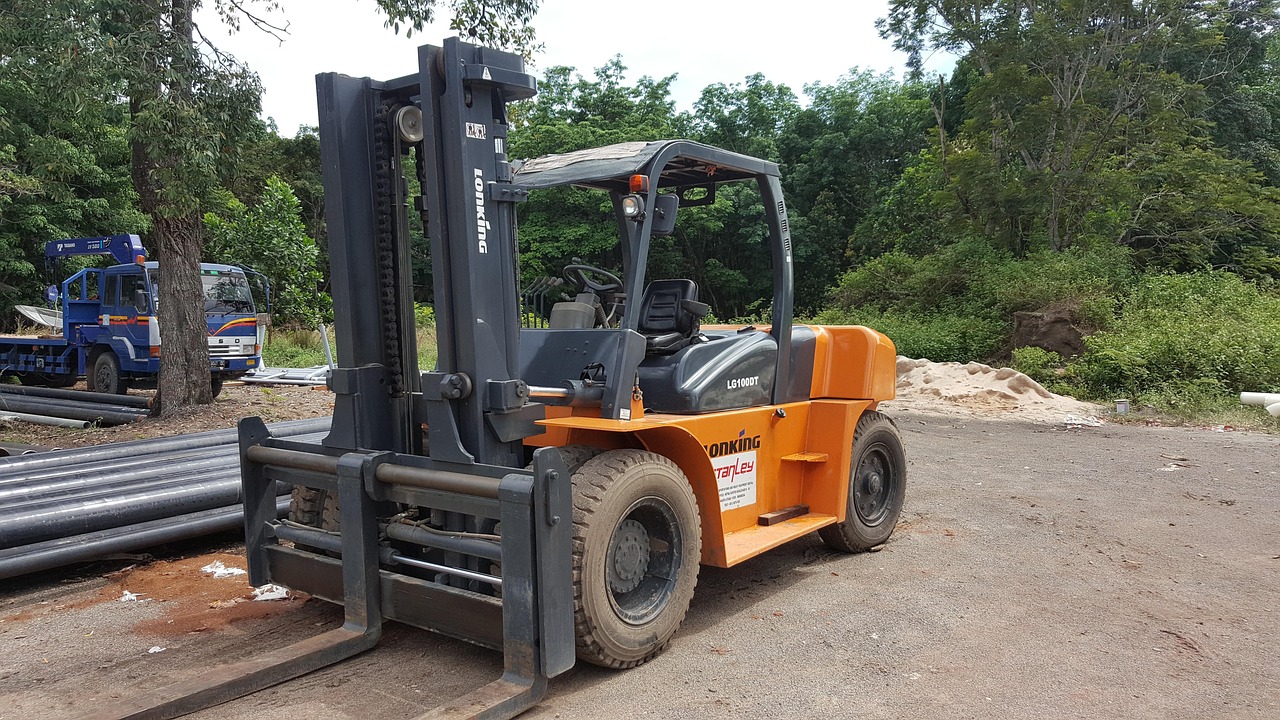
Class IV and V trucks are internal combustion units with cushion or pneumatic tires. Class VII covers rough terrain forklifts. These machines fit yards, uneven surfaces, and construction-style work, but rough terrain does not mean any terrain. OSHA notes in its eTool that the term does not imply safe operation on every possible surface. Grades, mud, holes, load swing, and wind still need to be checked before the job starts.
How Do Safety Rules Change Your Buying Decision?
Safety rules should shape the forklift specification before the purchase order is signed. If a truck is too large for the aisle, too fast for the traffic, or too tall for a low doorway, training will not solve the full problem. OSHA standard 29 CFR 1910.178 is the main U.S. rule for powered industrial trucks. It affects operator training, workplace evaluation, and records.
Training Before Unsupervised Operation
OSHA requires training before an operator uses a powered industrial truck without supervision. That training must include formal instruction, practical training, and an evaluation of performance in the workplace. In simple terms, a video by itself is not enough. The operator needs to see the truck, drive it, handle loads, and be checked in the same type of area where the work will be done.
Three Year Performance Evaluation
OSHA requires each operator performance evaluation at least once every three years. Refresher training is also needed after unsafe operation, an accident or near miss, a different truck type, or a workplace change that affects safe use. Keep records with the operator name, training date, evaluation date, and trainer or evaluator identity. If an audit happens, clean records prevent a lot of last-minute searching. See also: CNC Machining.
Pedestrian Protection Near Every Aisle
BLS data from a June 2019 forklift fact sheet showed more than 7,000 nonfatal injuries with days away from work occurred every year from 2011 to 2017, and forklift-related pedestrian injuries had a median of 20 days away from work. That is a direct warning for busy warehouses and plants. The people walking near the truck need as much attention as the operator in the seat. Use marked lanes, dock rules, horn zones, mirrors, lighting, and speed limits where people and pallets share space.
How Can You Compare Total Cost Before You Buy?
The purchase price is only one part of forklift cost. Total cost includes energy, fuel, tires, planned service, damage, charger installation, attachments, downtime, and resale. Public, reliable forklift price data is hard to use because dealer quotes change by capacity, mast, options, region, warranty, and fleet terms. Treat any single online price as a rough guide, not a working budget.
Purchase Price Is Only the Door Opener
A low-cost used truck can be a good buy for light work. It can also sit in the shop if the mast is wrong, the battery is weak, or parts are hard to get. Ask for service history, hour meter reading, battery test results, tire condition, chain wear, and mast inspection. For new trucks, compare warranty details, included maintenance, charger cost, and delivery timing before choosing on price alone.
Maintenance Labor and Tire Wear
Tire choice affects both cost and safety. Cushion tires work well indoors, but they do not handle broken pavement well. Pneumatic tires handle rougher ground, though they cost more and can change truck height. Maintenance labor also differs by power type. IC trucks need engine oil, filters, cooling checks, fuel system care, and emission-related service. Electric trucks move more of the work toward batteries, connectors, brakes, hydraulics, and software checks.
Downtime From Charging Fueling or Repairs
Downtime is easy to miss when the comparison is only on paper. A propane cylinder change may take a few minutes, but storage and handling still need rules. Charging can be simple overnight, or it can become a bottleneck at 2 p.m. when three trucks need power and only one charger is open. In a busy plant, one spare rental during peak season may cost less than late shipments and overtime.
What Should You Check Before Signing a Purchase Order?
A forklift should be checked against the actual work, not only matched to a catalog page. The most useful final check is simple: measure the route, test the load, confirm the data plate, and ask who will service the truck when it stops on a Friday afternoon. These checks are not fancy, but they prevent expensive mistakes.
Data Plate and Attachment Match
Do not treat attachments as small add-ons. A clamp, rotator, carpet pole, or fork extension changes capacity and stability. The data plate must show the truck configuration that will be used in daily work. If the attachment is added later, get the capacity re-rated by the proper party. This paperwork step is small, but it can prevent a serious problem.
Dealer Support and Parts Stock
Ask the dealer direct questions before signing. How many road technicians cover your area, and which parts are stocked locally? What is the normal response time? Can they support your battery brand, charger type, telematics, and mast? A slightly better truck with weak local service may lose to a solid truck with fast parts support and a technician who knows the model.
Site Trial With Real Pallets
If possible, run a site trial with your heaviest regular pallet, tallest rack position, normal operator, and busiest aisle. Watch turning, visibility, braking, mast sway, and fork entry. A short trial can show that the truck is too long, the overhead guard hits a doorway, or the operator cannot see past the load. It is better to find that before delivery day than after the truck is already in the yard.
FAQ
Q1: What Is the Best Forklift for a Small Warehouse? A: For a small indoor warehouse, an electric Class I counterbalance truck or a Class III pallet truck often works well. If aisles are narrow and racks are tall, a reach truck may be the better choice.
Q2: Is an Electric Forklift Always Better Than Propane? A: No. Electric is often cleaner and quieter indoors, but propane or diesel may fit outdoor, wet, rough, or heavy-duty work better. The site should decide.
Q3: How Often Does OSHA Require Forklift Operator Evaluation? A: OSHA requires each powered industrial truck operator performance evaluation at least once every three years, with refresher training when specific unsafe events or workplace changes occur.
Q4: Can a Forklift Lift More With Longer Forks? A: Not automatically. Longer forks can move the load center forward and reduce safe capacity. Check the data plate and get the truck rated for the actual fork and attachment setup.
Q5: What Public Sources Support the Data in This Article? A: Key figures came from OSHA public statements in June 2025, OSHA fiscal year 2024 citation data, the BLS June 2019 forklift injury fact sheet, ISO 5053-1:2020, and a 2023 annual report citing Industrial Truck Association market data.