
Is a CNC Milling Machine the Best Choice for Custom Metal Parts?
Is a CNC Milling Machine Right for Your Parts?
A CNC milling machine is often the right choice when a part needs flat faces, slots, pockets, drilled hole patterns, or close features cut from solid stock. If you are checking machining options for a new job, start with the part shape, material, tolerance, and order quantity. For wider process notes, the CNC machining section gives helpful background before you send RFQs or decide to buy equipment.
A Rotating Tool Removes Material
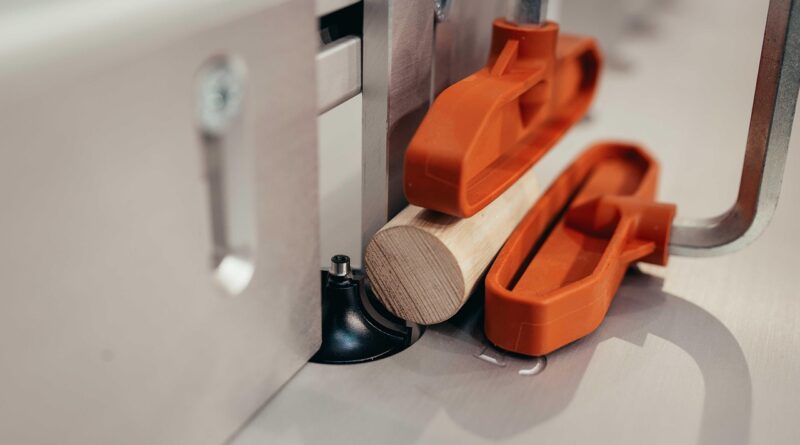
Milling uses a rotating cutter while the workpiece is held in a vise, fixture, or pallet. The cutter can face the top, machine a side wall, open a pocket, drill holes, or finish a small radius, depending on the setup. This is different from turning, where the part itself rotates. If the drawing looks like a bracket, housing, plate, heat sink, valve block, mold insert, or fixture plate, milling will usually be one of the first processes to check.
CNC Control Follows a Program
The CNC control reads the toolpath program and moves the axes at the set feeds and speeds. Even so, good parts still depend on the person setting up the job. Tool stick-out, workholding force, coolant flow, and cutter condition can all change the result. A clean program cannot fix a weak clamp or a worn end mill, and that is where many first trial parts fail.
Machine Style Changes Part Access
Vertical machining centers are widely used for plates and prismatic parts. Horizontal machining centers are a good fit for heavier cutting and better chip removal. A 5-axis mill can reach more faces in one setup, which helps with complex aerospace, medical, and die work. The best choice is not always the highest-priced machine; it is the machine that can reach the needed faces, cut steadily, and hold location from part to part.
When Does CNC Milling Beat Other Processes?
CNC milling makes sense when you need real material, clean geometry, and repeatable dimensions without paying for a mold, die, or casting pattern. It also works well when the design may still change. Public labor data gives some scale: the Federal Reserve Bank of St. Louis FRED series, using U.S. Bureau of Labor Statistics data, reported 267.6 thousand jobs in U.S. machine shops under NAICS 33271 for 2024, updated April 24, 2025. That large base is still there because many buyers need cut-metal parts, not only printed or molded parts.
Prismatic Parts and Accurate Features
Use milling for parts with flat datum faces, bolt circles, slots, counterbores, sealing grooves, and milled pockets. A milled aluminum electronics housing, for example, may need a flat gasket face, tapped holes, and an inside pocket with clean corner control. Casting may reduce cost at high volume, but milling gives a quicker route while the design is still being checked. For many trade buyers, that early speed is worth more than a lower unit price that comes later.
Metals and Engineering Plastics
Aluminum, stainless steel, carbon steel, brass, copper, titanium, PEEK, acetal, and nylon can all be milled with the right tool and setup. The material grade changes the job more than many drawings show. Aluminum often cuts quickly and can leave a clean finish. Stainless work-hardens if feeds are too light, while plastics can move from heat or clamping pressure. Ask the shop about its experience with your exact grade, not just the general material family.
Prototypes to Low Volume Orders
For one part, ten parts, or a few hundred parts, CNC milling can be faster than a tooling-based process. At higher volume, it can still be the better choice if the tolerance is close or the geometry changes from time to time. If the part only needs a rough outside profile, laser cutting or waterjet may be cheaper. If the part is round, turning may be the better fit. A proper quote should explain why the process suits the part, not just give a price.
Which Machine Features Affect Accuracy?
Accuracy is not one line on a machine brochure. It comes from machine geometry, heat growth, spindle condition, toolholding, cutting force, inspection method, and the setup routine used by the operator. ISO 230-1:2012, confirmed current in 2023, gives methods for testing geometric accuracy of machine tools under no-load or quasi-static conditions. NIST’s 2023 machine tool calibration paper also separates errors into intra-axis, inter-axis, and volumetric errors, which is a practical way to read machine capability without guessing.
Axis Count and Machine Geometry
A 3-axis mill is simple and strong for many common parts. A 4-axis rotary setup can machine several sides with fewer times taken off and put back on the machine. A 5-axis machine can reach angled faces and complex contours, but it also brings rotary-axis calibration work. More axes may reduce setups, but they do not automatically make tighter parts. If a hole pattern is important, ask how the shop checks location accuracy after machining.
Spindle Power and Tool Holding
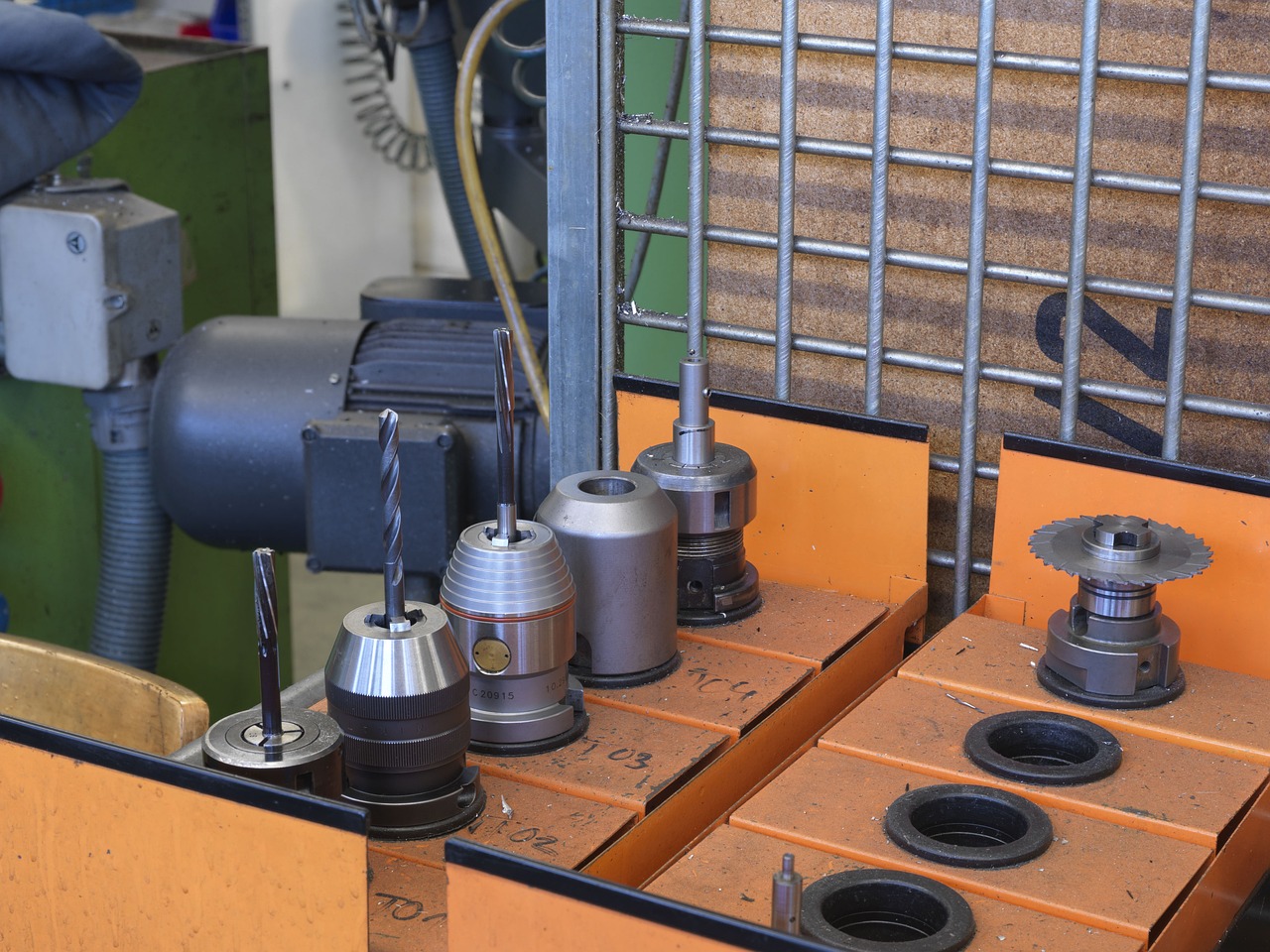
Spindle speed, torque, taper, runout, and toolholder quality affect surface finish and tool life. A small high-speed spindle can work very well in aluminum with small cutters, while a high-torque spindle may suit steel roughing better. Toolholder runout matters because a small wobble can chip small cutters and leave marks on a wall. On micro features, that can be the difference between a usable edge and scrap.
Thermal Error and Calibration
Machines grow and shift as they warm up. Long cycle times, high spindle speed, coolant temperature, and shop temperature all affect the size and position of finished features. For close tolerance work, a warm-up routine, steady coolant, probing, and planned calibration can matter as much as the name on the machine. If you need repeatability across several months, ask for recent calibration records and inspection reports instead of taking a casual promise.
How Do Cost and Lead Time Really Work?
A CNC milling quote is usually built from setup time, programming, material, fixtures, cutting time, tool wear, inspection, finishing, packing, and job risk. There is no public formula that gives one milling cost for every country, machine size, tolerance, material, and batch size. Any exact online number without the job details should be treated as a rough estimate only. The better way is to send complete drawings and let suppliers price the actual work.
Setup Time and Fixturing
Setup time can take up a large part of the cost on small batches. A simple plate may only need one vise setup, while a complex housing may need soft jaws, a custom fixture, and two or three operations. If you can add a temporary clamping tab, open a hidden corner radius, or relax a noncritical tolerance, the price may come down. These are plain design changes, but they often save real shop time. See also: CNC Programming.
Cycle Time and Tool Wear
Cycle time depends on material removal rate, toolpath style, cutter diameter, depth of cut, and finish passes. Titanium and hardened steel usually need slower cutting than aluminum. Abrasive materials wear tools faster, so the shop may include that cost in the quote. A finishing pass may also be slowed down to protect surface finish or stop a thin wall from moving. Faster cutting is not always cheaper if it causes chatter, broken tools, or extra inspection.
Inspection and Documentation
A prototype bracket may only need basic size checks. A medical or aerospace part may need first article inspection, material certificates, traceability, and CMM reports. Those records take time, but they also reduce arguments later. If your drawing calls out flatness, position, surface finish, and critical-to-function dimensions, tell the supplier which features really affect assembly. That helps them put inspection time where it matters.
What Safety and Quality Checks Matter Before Production?
Good milling is not only about removing metal quickly. Safety, chip control, coolant care, and part checks all protect the delivery schedule. OSHA standard 29 CFR 1910.212 lists milling machines among equipment that usually requires point-of-operation guarding and states that guarding should protect operators from hazards such as rotating parts, flying chips, and sparks. OSHA noise guidance also says general industry employers need a hearing conservation program at or above 85 dBA as an 8-hour time-weighted average, while NIOSH recommends an 85 dBA occupational noise exposure limit for an 8-hour shift.
Guarding and Chip Control
Before production starts, check doors, interlocks, guards, chip conveyors, and coolant splash. Some open machines are still used for certain jobs, but exposed rotating cutters and flying chips bring clear risk. Chip shape also gives useful signs during cutting. Long stringy chips can wrap around tools, blue chips may point to too much heat, and fine dust from some materials needs careful handling.
Noise and Coolant Habits
A loud cut often means chatter, poor tool engagement, or worn tooling. Noise also affects workers over time, not just comfort during one shift. Coolant should be kept clean enough to avoid odor, corrosion, skin trouble, and short tool life. For parts used in electronics, medical devices, or fluid systems, ask how the shop cleans parts after machining. A shiny part with chips stuck in a blind hole is not ready for use.
Supplier Questions Before Purchase
Before choosing a machine shop or buying your own CNC milling machine, ask direct questions. What tolerance is routine, not a special effort? What materials are run every week? What inspection equipment is used? How are tool offsets controlled? How are repeat orders handled? A supplier that answers in clear shop language is usually easier to work with than one that hides behind buzzwords.
- Send 2D drawings with tolerances, datums, finish needs, and revision control.
- Send 3D models in STEP format when possible.
- Mark cosmetic faces and assembly-critical features clearly.
- State annual volume, target batch size, and desired lead time.
FAQ
Q1: What Is a CNC Milling Machine Used For? A: It is used to cut solid material into parts with faces, pockets, holes, slots, profiles, and contours. Common examples include brackets, housings, plates, molds, heat sinks, fixtures, and precision components.
Q2: Is CNC Milling Better Than CNC Turning? A: It depends on the part. Milling is better for prismatic parts with flat faces and side features. Turning is usually better for round shafts, bushings, pins, and threaded parts made around a centerline.
Q3: Can a CNC Milling Machine Hold Tight Tolerances? A: Yes, but tolerance depends on machine condition, material behavior, tool setup, temperature, workholding, and inspection method. For close tolerance parts, ask for recent calibration records and a sample inspection report.
Q4: Which Material Is Easiest to Mill? A: Many shops find aluminum alloys easier to mill than stainless steel, titanium, or high-strength plastics. Even then, the exact grade matters. A free-machining aluminum grade cuts very differently from gummy or abrasive material.
Q5: How Can You Reduce CNC Milling Cost? A: Use practical tolerances, allow internal corner radii, avoid surface finish demands that do not affect function, combine setups where possible, and give clear drawings. Small design changes can cut setup time and inspection work without hurting the part.