
How Do You Choose a CNC Machining Service That Gets Parts Right the First Time?
What Should a CNC Machining Service Actually Do for You?
A good cnc machining service should take your CAD file and deliver a usable, checked part without making you chase basic answers. You send the model, the drawing, and the date you need the parts. The supplier should send back a clear quote, flag risky features, talk through workable material choices, and tell you what happens after you approve the order. This sounds like normal work, but many machining jobs start to slip right here. The U.S. Bureau of Labor Statistics Occupational Outlook Handbook, updated in 2025, projected a 2 percent employment decline for machinists and tool and die makers from 2024 to 2034, so shop planning and clean workflow matter more for buyers who need steady delivery. (bls.gov)
CNC Milling, Turning, and Multi Axis Work
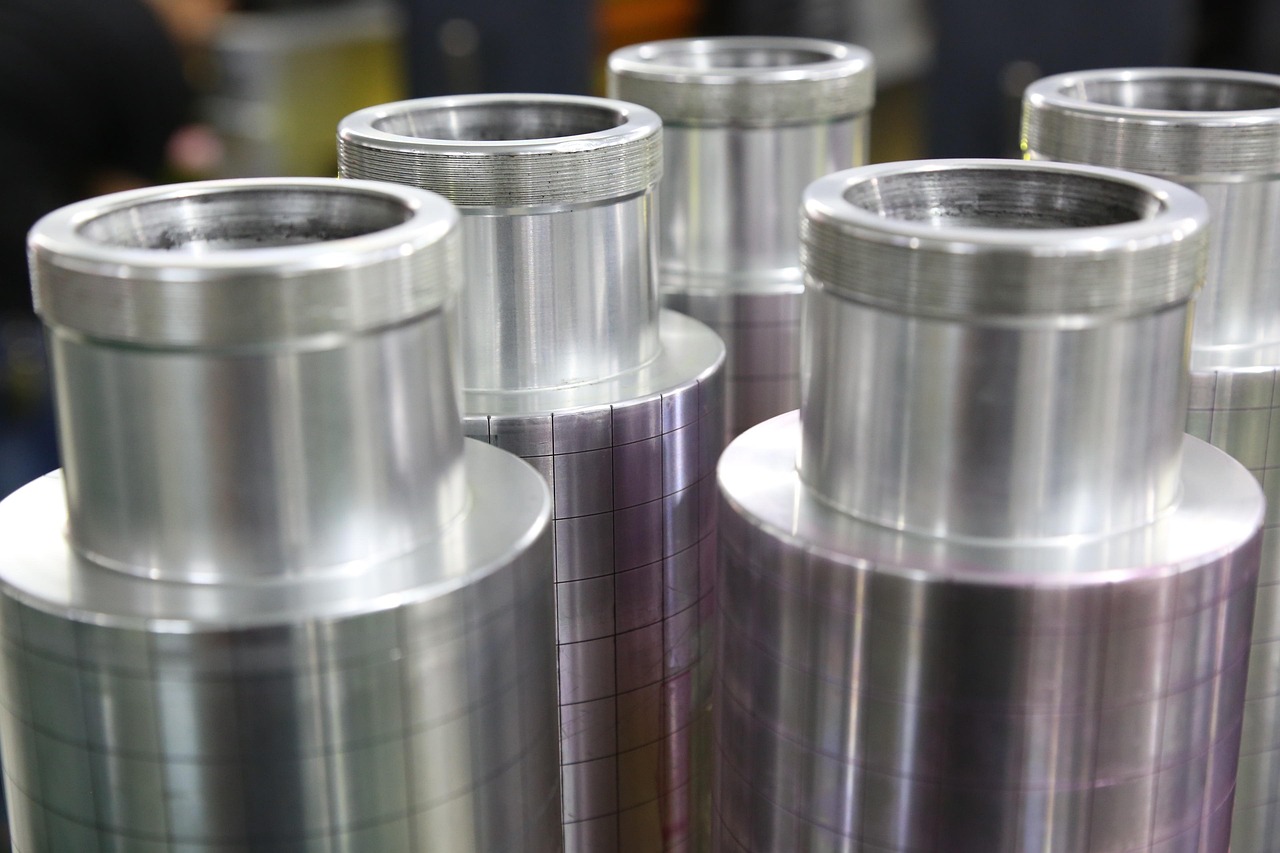
Start by checking whether the shop has the right machine mix for your part. CNC milling is used for housings, brackets, plates, pockets, and flat or angled features. CNC turning suits shafts, bushings, spacers, threaded rings, and round parts. Multi axis machining helps when the part has side holes, angled faces, or feature positions that are hard to hold with several manual setups.
Take a 6061 aluminum sensor housing with four side ports as an example. A 3 axis mill can make it with several setups, but a 4 axis or 5 axis path may reduce handling and keep the ports closer to the model. The right choice is not always the newest machine on the floor. It is the process that holds the needed dimensions with less chance of scrap.
Material Support From Aluminum to Stainless Steel
Your supplier needs hands-on experience with the material family in your design. Aluminum cuts fast and works well for fixtures, housings, heat sinks, and light structural parts. Stainless steel gives corrosion resistance, but it usually takes more tool time and more care. Brass is good for many small turned parts. Engineering plastics such as POM, PTFE, PEEK, and nylon need different cutting habits because heat and clamping can move the part.
Do not treat material choice as a small note at the bottom of the drawing. A change from aluminum to 316 stainless steel can affect cycle time, tool wear, deburring, and inspection. If the supplier asks about load, temperature, chemicals, or cosmetic needs, that is useful. They are trying to avoid a bad match before the job reaches the machine.
Prototype Builds That Can Move Into Production
If repeat orders are likely, ask whether the same shop can handle prototypes and small batch production. Some prototype shops are quick, but they may not build fixtures or inspection plans for repeat work. A production-focused supplier may ask more questions at the start. That can feel slow, but it often saves trouble when the order grows from 5 pieces to 500 pieces.
The first batch should give you useful information for the next order. A shop that records tools, fixture notes, inspection results, and revision history can restart the job with fewer open questions. That matters when purchasing, engineering, and production are all waiting on the same parts.
Which Design Details Decide Price and Lead Time?
Price does not come from material weight alone. In CNC machining, the main cost items are programming, setup, machine time, cutting tools, fixtures, deburring, inspection, and finish work. A small stainless part can cost more than a larger aluminum plate if it has small tools, deep pockets, tight bores, and hand polishing. Buyers sometimes miss this point because the part looks simple on the screen.
Tolerances That Match the Real Function
Tolerance is one of the fastest ways to change machining cost. Industry design references often show standard CNC tolerances around a few thousandths of an inch for many machined features. For instance, a 2026 Protolabs CNC machining guide lists standard precision or production machining tolerance examples around plus or minus 0.002 inch, while many general shop guides use plus or minus 0.005 inch as a normal starting point for non-critical dimensions. (protolabs.com)
The point is not that one number works for every job. It does not. Keep tight tolerances for features that control the product: bearing seats, sealing faces, sliding fits, dowel holes, and assembly datums. If a cover plate hole can be plus or minus 0.15 mm, do not mark it plus or minus 0.01 mm only because the drawing looks cleaner that way.
Setups, Tool Reach, and Hidden Machine Time
Each flip, reclamp, indication, or refixture adds cost and adds risk. Deep pockets need long tools, and long tools can chatter. Thin walls can move during cutting. Internal sharp corners need small end mills, which cut slower and break more easily. These details do not look serious one by one, but they add minutes to the job, and those minutes turn into money.
A pocket with a 2 mm inside corner radius often machines faster than the same pocket drawn with a 0.5 mm inside radius. The larger radius allows a stronger tool and a better feed rate. You may not care about that corner in the final assembly, but the machine does. This is the type of detail a good supplier should point out before quoting blind.
Surface Finish Choices That Fit the Part
Surface finish should follow the job the part needs to do. A visible consumer part may need bead blasting and anodizing. A sliding surface may need a smoother machined finish. A hidden bracket may only need deburring and no sharp edges. The clearer the finish note, the cleaner the quote usually is.
Be careful with broad notes like “all surfaces polished” or “Ra 0.8 on all faces.” Those notes can add extra tool passes, hand work, and more inspection. If only one sealing face is important, mark that face clearly. Keep the rest practical so the shop does not spend time polishing surfaces nobody will use.
How Can You Judge Quality Before You Place an Order?
Quality is not only the final size of the part. It is the way the supplier handles the quote, revision, setup, inspection, packaging, and feedback. You can often see warning signs before production starts. Vague answers, weak revision control, and no inspection plan are not small issues, even when the price looks good.
Clear Drawings and Revision Control
A serious supplier will ask for the latest CAD file, a 2D drawing, material grade, finish, quantity, and revision level. If you change a hole size after quote approval, the supplier should record that change. If the drawing says Rev B and the CAD file is still Rev A, someone should catch it before machining starts. That is basic document control, but it prevents a lot of scrap.
This matters more than many buyers think. One old PDF buried in an email thread can create a full batch of wrong parts. Use file names with part numbers and revisions. Add dates, and keep notes plain. It is not exciting paperwork, but it protects the order.
Inspection Reports, CMM Data, and First Articles
Ask what inspection record will come with the parts. For simple parts, a dimensional report with caliper, micrometer, gauge pin, or height gauge readings may be enough. For complex geometry, you may need CMM data. For aerospace, medical, or automation parts, a first article inspection can be the right checkpoint before full production.
Inspection should focus on the features that matter, not every random edge on the model. If you mark key datums and dimensions on the drawing, the supplier can build a better inspection plan. That usually works better than writing “inspect everything” and hoping the right features get attention.
ISO 9001 and AS9100 Signals
Certifications do not make good parts by themselves, but they show how a supplier manages process control. ISO describes ISO 9001:2015 as the certifiable quality management standard in the ISO 9000 family, used to meet customer and regulatory requirements and raise customer satisfaction. IAQG lists 9100 Quality Management Systems as the requirement set for aviation, space, and defense organizations. (iso.org) (iaqg.org)
For normal industrial parts, ISO 9001 may be enough. For aerospace or defense work, AS9100 can be important because it adds industry-specific requirements. In both cases, ask for the scope of certification. A logo on a website is not the same as knowing which process and location are covered.
When Is CNC Machining Better Than Casting, Molding, or 3D Printing?
CNC machining is not the best answer for every part. Injection molding can be better at high volume. Casting can make near-net metal shapes. 3D printing can make internal channels and fast concept models. CNC is often the better fit when you need real material, tight features, accurate threads, smooth fits, and design changes without paying for hard tooling.
Low Tooling Risk for Early Designs
Machining removes material from bar, plate, billet, or casting stock. Because of that, you do not need an injection mold before the first usable part. If the design may change after testing, CNC often gives you a safer route. You can machine 3 pieces, test them, revise a slot, and then order 20 more.
This is why CNC is common for fixtures, robotics parts, test rigs, medical device prototypes, and aerospace development hardware. Early designs change often, sometimes after one assembly trial. Paying for hard tooling too soon can lock the team into an old design before the product is ready.
Strong Materials and Production Grade Threads
CNC parts can use production-grade metals and plastics, not just prototype-style substitutes. Threads can be tapped, thread milled, or turned. Flatness, bore size, and shaft fits can be checked against the drawing. Inserts, dowel holes, O-ring grooves, and sealing faces can be made with standard manufacturing methods. See also: CNC Programming.
If the part must carry load, handle heat, hold a bearing, or fit an assembly again and again, CNC usually gives more confidence than a quick visual model. A printed display mockup is useful for checking shape and space. A machined aluminum bracket in a vibration test gives the engineering team different information.
Faster Changes Between Design Rounds
A design round can move quickly when the supplier has clean files and clear notes. You can change a pocket depth, add a chamfer, enlarge a clearance hole, or switch material without rebuilding a mold. That speed helps when your team needs test data, customer feedback, or assembly proof before a launch date.
Still, half-finished models create problems. Good CNC work starts with good input from the buyer. The fewer assumptions a machinist has to make, the smoother the job usually goes. If a detail is important, put it on the drawing instead of leaving it to a phone call.
How Should You Send an RFQ That Gets a Better Quote?
A strong RFQ does not need polished language. It needs complete information. The goal is simple: help the supplier quote the same part you expect to receive. If the quote team has to guess material, finish, tolerance, thread callouts, or delivery date, the price will include extra risk, or the order may sit until someone answers.
A Complete 3D Model and 2D Drawing
Send a STEP file for geometry and a PDF drawing for manufacturing rules. The model tells the machine what shape to cut. The drawing tells people what matters. Include material grade, surface finish, heat treatment, coating, general tolerances, key dimensions, thread standards, and any inspection request.
If you only send a screenshot, expect questions. If you send a clean model and drawing, you are more likely to get a clear quote and fewer back-and-forth emails. It feels like a small detail, but it changes the whole start of the job.
Quantity Breaks and Target Delivery Dates
Ask for pricing at useful quantity breaks, such as 1, 10, 50, 100, and 500 pieces. Setup cost spreads across more parts as quantity rises, so the unit price can change a lot. Also give the real delivery need. “ASAP” is not a schedule. “20 pieces needed at receiving by September 18” gives the supplier something they can plan around.
If you expect repeat orders, say that in the RFQ. A supplier may suggest soft jaws, modular fixturing, or a first article plan when future batches are likely. For a true one-off part, the plan may be simpler. The quote will be better when the supplier understands the buying pattern.
Notes on Critical Features and Assembly Use
Tell the supplier where the part fits in the assembly. A short note such as “two dowel holes locate this bracket to a motor plate” can change how the machinist thinks about datums. If a face seals against a gasket, say it. If a slot only clears a cable tie, say that too.
This kind of context helps the shop protect the right features. It can also stop over-machining on details that do not affect the product. A good RFQ gives the supplier enough information to make practical choices without guessing your design intent.
What Should Overseas Buyers Check Before Ordering?
For international sourcing, machining is only one part of the order. Communication, packaging, documents, payment terms, logistics, and repeatability all matter. NIST’s Manufacturing Extension Partnership describes supplier development in terms of reliable suppliers, risk reduction, and supply-chain resilience, which is a useful way to look at both domestic and overseas sourcing. (nist.gov)
Communication That Catches Small Problems Early
Good suppliers ask clear questions before production starts. They do not hide uncertainty. If a drawing is missing thread depth, they ask. If anodizing may affect a tight bore, they warn you. If a thin wall may warp, they suggest a change before cutting the whole batch.
Time zones can slow a job, so written notes help. Use marked-up PDFs when the issue is easier to show than explain. Keep decisions in one email chain or project portal. Scattered messages can lead to mistakes, especially near holidays or shipping cutoffs.
Packaging, Traceability, and Export Readiness
Machined parts can still be damaged after inspection if the packaging is poor. Sharp parts need edge protection. Cosmetic aluminum needs wrapping. Precision shafts may need sleeves. Heavy parts need cartons that can handle export movement without collapsing.
Ask how the parts will be labeled. At minimum, labels should match part number, revision, quantity, and purchase order. For controlled industries, you may also need material certificates, coating certificates, inspection reports, and batch traceability. It is better to confirm this before shipment than ask for missing documents after the parts arrive.
A Supplier Fit for Long Term Repeat Work
The cheapest first order is not always the best long-term choice. Look for steady communication, consistent reports, fair handling of drawing changes, and honest feedback. If a supplier says every part is easy, be careful. Real machining always has tradeoffs.
A strong CNC partner helps reduce risk without turning every order into a long meeting. You get clear quotes, workable manufacturability notes, traceable production, and parts that fit when they arrive. That is the kind of CNC machining service buyers tend to keep.
FAQ
Q1: What Is the Most Important Factor When Choosing a CNC Machining Service? A: The most important factor is fit for your part. Check machine capability, material experience, tolerance control, inspection support, and communication quality before focusing on price.
Q2: Should You Send Both a 3D Model and a 2D Drawing? A: Yes. The 3D model defines the shape, while the 2D drawing defines tolerances, materials, finishes, threads, inspection points, and revision control.
Q3: Why Do Tight Tolerances Increase CNC Machining Cost? A: Tight tolerances can require slower cutting, better fixtures, extra tool paths, more inspection, and sometimes special equipment. Use them only where the part function needs them.
Q4: Is CNC Machining Good for Prototypes and Production? A: Yes. CNC machining works well for functional prototypes, bridge production, and small to medium batches, especially when you need real materials and design changes are still possible.
Q5: How Can You Get a Faster and More Accurate CNC Quote? A: Send complete files, state material and finish, mark critical features, give quantity breaks, and provide a real delivery date. Clear input usually leads to a cleaner quote.