
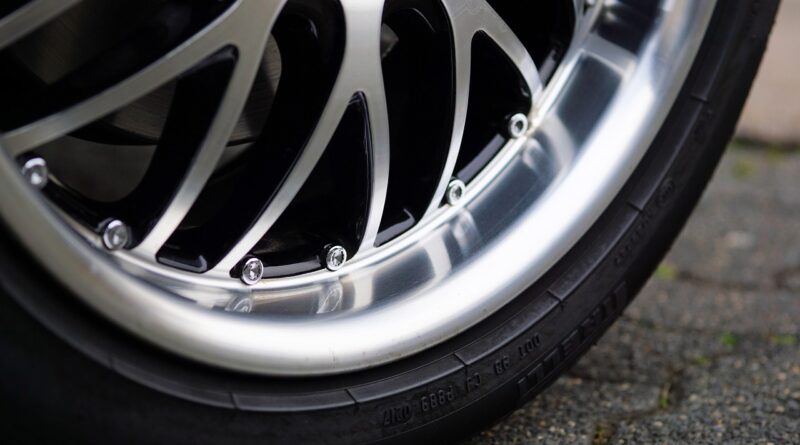
The surface treatment and finishing of aluminum and its alloys explained
The surface treatment and finishing of aluminum and its alloys is usually a controlled process chain, not a single shop-floor step. A finished aluminum part may need cleaning, texture control, corrosion protection, a specified appearance, electrical performance and reliable adhesion for later coatings. Aluminum forms a thin oxide film naturally, but production parts often need a finish that can be specified, inspected and repeated. In practice, manufacturers choose from mechanical preparation, chemical pretreatment, anodizing, conversion coating, organic coating and, in more specialized cases, plating or specialty sealing. The best route depends on alloy family, part geometry, service environment, conductivity requirements, dimensional tolerance, color expectations and regulatory limits on chemicals such as hexavalent chromium.
For a broader view of related manufacturing processes, see MechMeld’s surface finishing coverage.
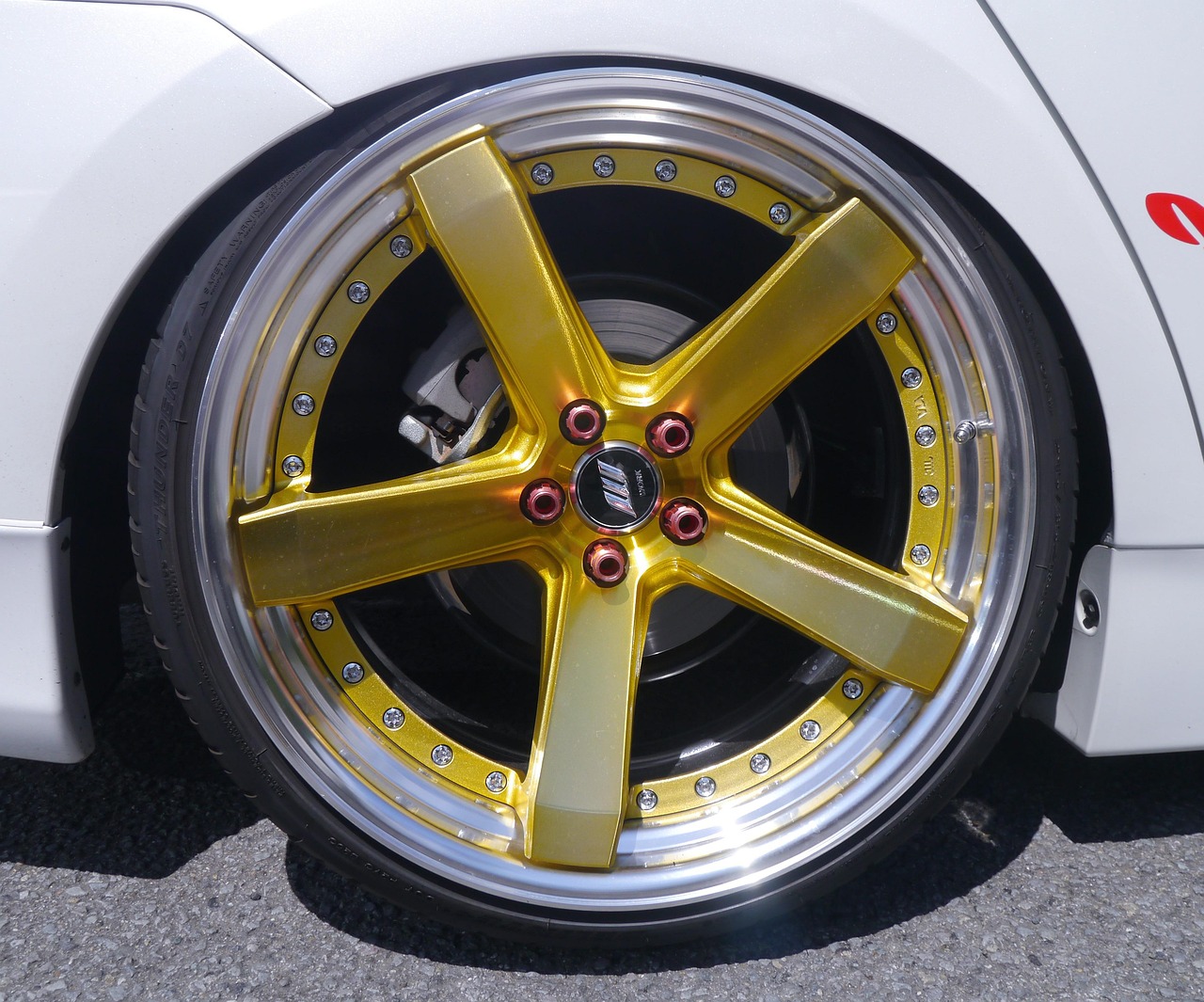
Why aluminum needs controlled surface treatment
Aluminum’s corrosion resistance comes from its oxide film. In production, however, that natural film is thin, variable and easily affected by machining, heat treatment, alkaline cleaning, welding, handling marks and storage conditions. A controlled finishing route makes the surface more predictable. It can remove oxides and soils, create a uniform texture, improve paint adhesion, increase wear resistance, reduce glare, add color or provide a corrosion-resistant surface with defined inspection criteria.
Aluminum alloys do not all finish in the same way. A 6061 machined bracket, a 2024 aerospace component, a 5052 sheet enclosure and a high-silicon casting can respond differently to the same bath or abrasive step. Copper-rich 2xxx alloys, high-magnesium 5xxx alloys, zinc-containing 7xxx alloys and silicon-rich castings may differ in color, etching response, coating uniformity and corrosion behavior. For that reason, engineering specifications normally need to identify both the alloy and the finishing standard, rather than using a vague instruction such as “anodize aluminum.”
Main process families used on aluminum and its alloys
Mechanical preparation
Mechanical finishing changes the surface topography before any chemical or electrochemical process is applied. Common methods include brushing, sanding, polishing, abrasive blasting, mass finishing and deburring. These steps influence reflectivity, tactile feel, visible grain and the way later anodic or painted finishes appear. The Aluminum Association’s finish designation system separates mechanical, chemical and anodic finish categories, which is a useful reminder that the final surface often comes from more than one operation.
Mechanical preparation is rarely only cosmetic. Burrs, sharp edges and embedded abrasive can affect coating continuity. A highly polished surface may produce a different anodized brightness than a satin-blasted surface. Blasting can hide machining marks, but it can also increase surface area and trap residues if cleaning is weak. For tight-tolerance parts, engineers should state whether dimensions apply before or after finishing.
Chemical cleaning and etching
Chemical pretreatment usually starts with degreasing and cleaning to remove oils, coolants, fingerprints and shop soils. Alkaline etching can create a matte surface and reduce minor handling marks. Acid deoxidizing or desmutting then removes insoluble residues left by alloying elements after etching. These steps are especially important before anodizing or conversion coating because a contaminated or uneven surface can lead to streaks, poor adhesion or local corrosion sites.
Cleaning and etching must be matched to the alloy and the part condition. Aggressive alkaline etching may attack some alloys rapidly, and castings can retain residues in porosity. Rinsing is not a minor detail; residues carried from one tank to the next can shorten bath life and create finish defects. For repeatable production, pretreatment parameters should be controlled as carefully as the final coating step.
Chemical conversion coatings
Conversion coatings form a thin chemically produced film on the aluminum surface. ASTM B449-93, reapproved in 2022, covers chromate conversion coatings on aluminum and aluminum alloys for corrosion resistance, as a base for organic coatings and, in certain classes, for low electrical contact impedance. The standard describes rinsed and non-rinsed chromate conversion coatings and classifies them by coating thickness.
Conversion coating is often selected when paint adhesion, corrosion resistance and electrical continuity need to be balanced. It is typically much thinner than anodizing and is useful for grounding areas, electronic enclosures and parts that will be painted. Traditional hexavalent chromate chemistries, however, face significant environmental and occupational restrictions. Many specifications now distinguish between hexavalent Type I and non-hexavalent or trivalent Type II systems where the governing standard permits that distinction.
Anodizing
Anodizing is an electrochemical process that converts the aluminum surface into a controlled aluminum oxide coating. The U.S. EPA’s metal finishing pretreatment guidance describes anodizing as a process in which the metal surface becomes an insoluble oxide coating, with aluminum being the most frequently anodized material. Unlike paint, the anodic coating is grown from the substrate, so surface preparation and alloy composition strongly affect final appearance.
MIL-PRF-8625 is widely referenced in North American non-architectural applications and covers multiple anodic coating types and two classes. ISO 7599:2018 provides a method for specifying decorative and protective anodic oxidation coatings on aluminum and aluminum-based alloys and was confirmed as current by ISO in 2023. For hard anodic oxidation coatings where abrasion and wear resistance are primary characteristics, ISO 7599 points users toward a separate hard-anodizing standard rather than treating all anodizing as one category.
Common anodizing choices include sulfuric acid anodizing for general corrosion protection and appearance, hard anodizing for wear resistance, and specialized chromic or phosphoric processes for specific engineering functions. Dyeing and sealing can add color and improve durability, but color matching across alloys, batches and surface textures can be difficult.
Organic coatings and paint systems
Liquid paint, electrophoretic coating and powder coating provide barrier protection and a wider color range than most anodized finishes. On aluminum, the coating’s performance depends heavily on pretreatment. A robust paint system normally includes cleaning, deoxidizing or etching, conversion coating or another pretreatment, primer where required, and a topcoat selected for weathering, chemical exposure or appearance.
Organic coatings are often practical for large structures, outdoor enclosures, architectural components and parts requiring a specific color or gloss. Their limitations include edge coverage, chip resistance, cure-temperature constraints and possible coating buildup in holes, threads or masking boundaries.
How the main aluminum finishing options compare
| Finish route | Typical purpose | Key advantages | Main limitations |
|---|---|---|---|
| Mechanical preparation | Texture, deburring, cosmetic uniformity | Can remove marks and create satin, brushed or polished effects | Does not by itself provide strong corrosion protection |
| Chemical cleaning and etching | Surface activation before coating | Improves repeatability of later finishes | Over-etching can change dimensions or appearance |
| Conversion coating | Paint base, corrosion protection, electrical contact areas | Thin, useful under paint, can preserve conductivity better than thick coatings | Chromate systems face health and environmental controls |
| Decorative or protective anodizing | Corrosion resistance, appearance, color, moderate wear resistance | Integral oxide coating with good visual durability when properly sealed | Alloy-sensitive color and finish variation |
| Hard anodizing | Wear resistance and engineering surfaces | Higher abrasion resistance than conventional decorative anodizing | Can affect dimensions, fatigue considerations and color expectations |
| Paint or powder coating | Color, barrier protection, weathering performance | Broad color and gloss choices; compatible with multi-layer systems | Needs strong pretreatment and careful edge control |
Alloy, geometry and function drive the specification
Alloy selection often determines how ambitious the finish requirement can be. Wrought 6xxx alloys are commonly used when both machinability and anodized appearance matter. Copper-bearing 2xxx alloys can be more difficult to finish uniformly and often need carefully qualified processes for corrosion-critical applications. High-silicon castings may anodize darker or less uniformly than wrought products. These outcomes are not always defects in the finishing operation; they are material-process interactions that should be considered before drawings are released. See also: CNC Machining.
Part geometry also matters. Deep blind holes, lap joints, sharp internal corners and porous cast sections can trap chemistry and complicate rinsing. Threads and precision bores may require masking or post-finish machining. Electrical contact surfaces may need conversion coating rather than anodizing, or selective masking before anodizing. If a coating adds measurable thickness, the drawing should state whether tolerances apply before or after finishing and which surfaces are functionally critical.
The intended function should lead the specification. A consumer-visible panel may prioritize texture, color and fingerprint resistance. A heat sink may involve thermal and electrical considerations. An aircraft or defense component may be driven by a controlled specification such as MIL-PRF-8625 for anodic coatings or MIL-DTL-5541 for chemical conversion coatings. A painted outdoor enclosure may depend more on pretreatment quality and edge coverage than on the topcoat brand alone.
Quality control and standards to reference
A useful finish callout identifies the process, governing standard, coating type or class, color or sealing requirement, masking areas, appearance expectations and inspection tests. It should avoid ambiguous words such as “clear,” “natural” or “corrosion proof” unless the applicable standard defines what they mean. When color matters, approved samples and acceptable variation ranges are safer than relying on a single color name.
Relevant frameworks include the Aluminum Association finish designation system, ASTM B449 for chromate conversion coatings, MIL-DTL-5541 for chemical conversion coatings on aluminum and aluminum alloys, MIL-PRF-8625 for anodic coatings in non-architectural applications, and ISO 7599 for decorative and protective anodic oxidation coatings. These documents do not all cover the same applications, so they should not be treated as interchangeable.
Inspection may include coating thickness measurement, visual examination, adhesion checks for painted systems, sealing quality checks for anodized coatings, corrosion exposure testing and electrical contact resistance where required. The most useful inspection plan is tied to service conditions. A cosmetic-only indoor part does not need the same test burden as an aerospace component, and an electrical bonding surface should not be evaluated only by appearance.
Environmental and regulatory factors are changing finish choices
Environmental compliance is now a major driver in aluminum finishing. In the United States, the EPA’s Metal Finishing Effluent Guidelines at 40 CFR Part 433 cover wastewater discharges from many metal finishing operations and have been part of the regulatory landscape since the early 1980s. The EPA’s March 17, 2026 update notes that metal finishing regulations are incorporated into permits or pretreatment controls and that the agency is conducting rulemaking focused on PFAS discharges from certain chrome finishing facilities.
Worker exposure is also central. OSHA states that hexavalent chromium is known to cause cancer and regulates occupational exposure under its Chromium(VI) standard. OSHA’s electroplating guidance lists a permissible exposure limit of 5 micrograms per cubic meter as an 8-hour time-weighted average. For aluminum finishing, this matters because chromic acid anodizing, chromate conversion coating and chromium-containing sealers or primers can trigger strict controls.
In Europe, chromium trioxide and related chromium(VI) substances are subject to REACH authorization requirements. ECHA’s Authorisation List identifies sunset dates and authorization requirements for listed substances, while European Commission decisions show that some aerospace and safety-critical uses continue only under time-limited authorizations where alternatives are not yet suitable. The practical result is not a simple global ban, but a strong push toward trivalent, non-chromate and process-specific alternatives wherever they can meet performance requirements.
A practical selection workflow
- Define the service environment. Separate indoor cosmetic use, outdoor weathering, marine exposure, chemical exposure, wear and aerospace or defense requirements.
- Identify functional surfaces. Mark electrical contacts, sealing faces, bearing surfaces, threads, bores and areas that require masking.
- Confirm alloy and temper. Check whether the selected alloy can meet the desired appearance and performance with the proposed finish.
- Select the finish family. Choose anodizing, conversion coating, paint, powder coating or a combined system based on the function rather than appearance alone.
- Write the standard-based callout. Include type, class, color, sealing, thickness or coating weight where applicable, and inspection criteria.
- Validate before production. Use representative samples, not ideal coupons only, especially for castings, welded assemblies and multi-alloy parts.
Frequently asked questions
Is anodizing better than conversion coating for aluminum?
Neither is universally better. Anodizing is usually chosen for a thicker oxide finish, appearance, corrosion resistance and wear-related functions. Conversion coating is much thinner and is often selected under paint or where electrical contact must be preserved. The correct choice depends on the part’s job.
Can all aluminum alloys be anodized with the same result?
No. Alloying elements, temper, surface preparation and manufacturing route affect color, brightness, coating uniformity and corrosion performance. Wrought alloys often finish more predictably than some cast alloys, but every critical part should be validated with the actual alloy and geometry.
Why are chromate finishes still specified if chromium(VI) is restricted?
Chromate systems have a long performance history in corrosion-critical applications, especially where paint adhesion and corrosion resistance must be proven. However, health, wastewater and chemical authorization requirements have pushed many industries toward trivalent or non-chromate alternatives where testing supports the substitution.
What should a drawing include for an aluminum finish?
A drawing should identify the finish standard, type or class, color, sealing or post-treatment, coating thickness or other measurable requirement, masked areas, inspection criteria and whether dimensions apply before or after finishing. For visible parts, approved appearance samples are often essential.