
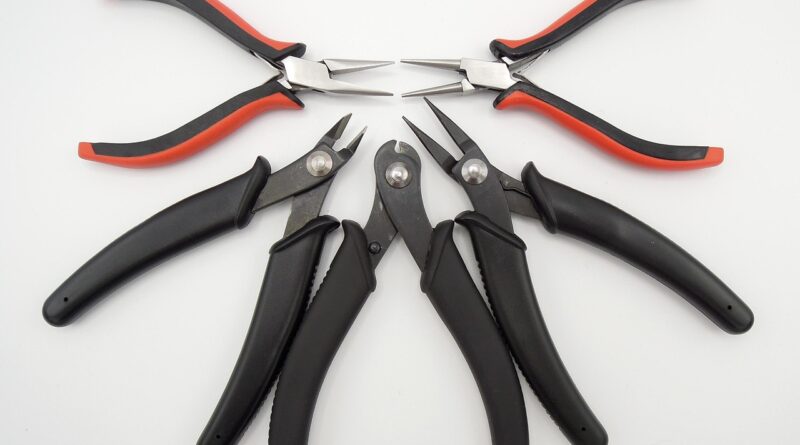
Wire cutting tool selection guide for manufacturing and maintenance
A wire cutting tool should be selected by matching the cutter design to the wire material, diameter, and required cut finish. A flush cutter that works well on soft copper leads can be damaged by spring steel. A cable cutter that cleanly shears large copper conductors may still be the wrong tool for stranded wire rope. For manufacturing and maintenance teams, the practical goal is not to buy one cutter for every job. It is to separate precision cutting, general-purpose cutting, cable cutting, and hard-wire cutting so each tool stays within its rated capacity. For more shop-floor tooling topics, visit the Cutting & Tooling section.
What a wire cutting tool actually has to do
The phrase wire cutting tool covers several hand tools that may look similar but behave differently at the cutting edge. Most handheld cutters do not slice wire like a knife slices sheet material. They concentrate force at two hardened edges, deform the wire, and separate it by wedging, shearing, or a combination of both.
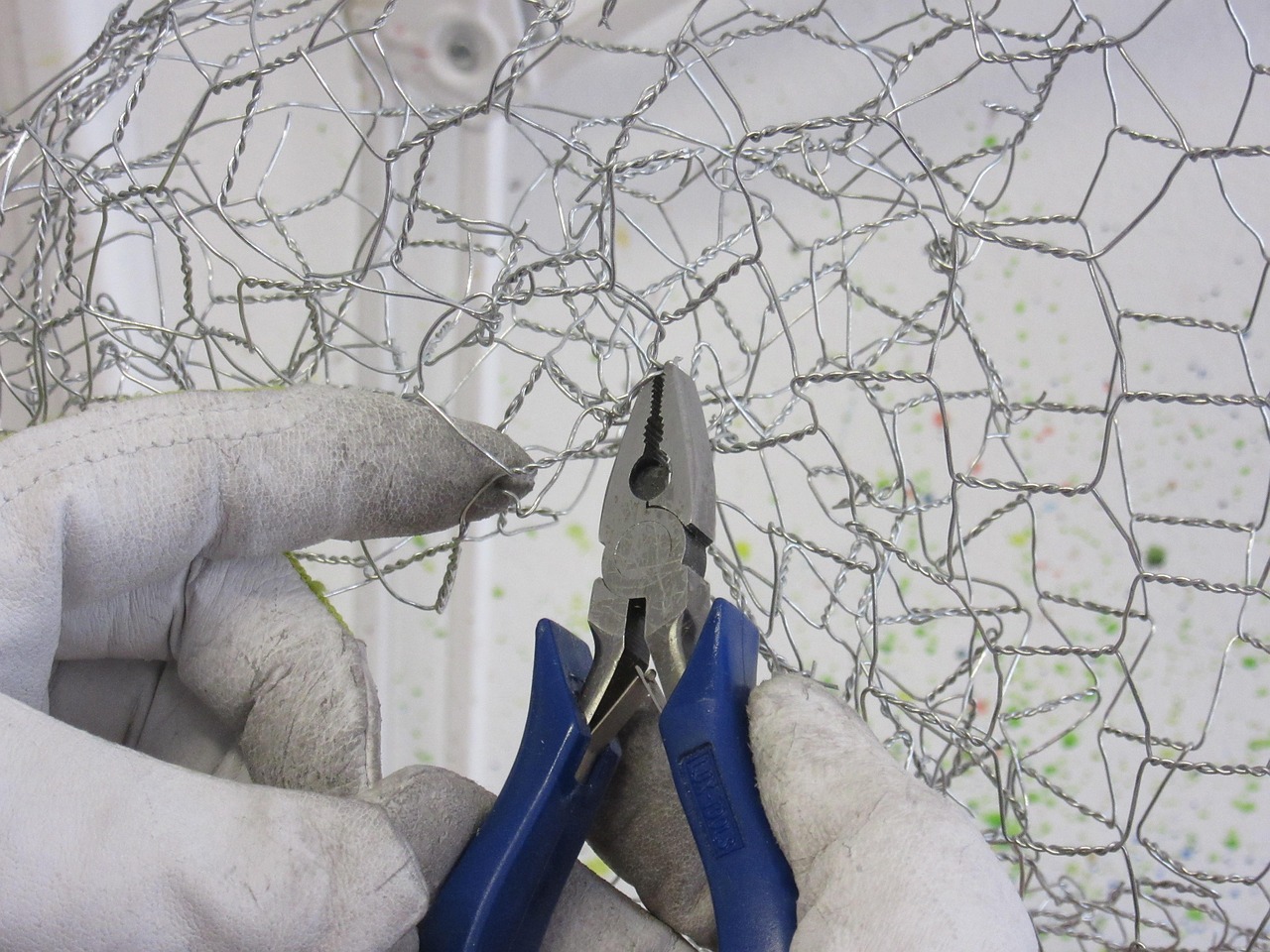
That distinction matters because wire is rarely just wire. It may be annealed copper, aluminum conductor, stainless safety wire, galvanized steel strand, spring-tempered music wire, insulated electrical cable, coaxial cable, or wire rope. The same nominal diameter can also cut very differently depending on hardness and construction. A 2 mm soft copper wire is not equivalent to a 2 mm piano wire. Stranded cable behaves differently from solid wire because the strands can splay, flatten, or pull out during the cut. Insulated conductors add another variable: the tool must cut the conductor without crushing insulation beyond the intended cut point.
A reliable selection process starts with four questions: what material is being cut, what diameter or gauge must be cut, how clean the finished end must be, and whether the work involves electrical energy or stored mechanical tension.
Match the cutter to material, diameter, and finish
Material hardness is usually the first limit. Soft wire includes copper, aluminum, annealed brass, and many electronics leads. Medium-hard wire may include some steel wire, nails, and tougher shop materials, depending on the cutter rating. Hard wire and piano wire require cutting edges specifically rated for that work. Manufacturer data sheets often publish separate capacities for soft, medium, hard, and piano wire; those numbers should not be treated as interchangeable.
Diameter or gauge is the second limit. A cutter may be able to close around a wire and still be overloaded. If the operator has to twist the handles, squeeze with two hands on a one-hand tool, or bite repeatedly from different angles, the tool is likely being used outside its intended range. That misuse often leads to chipped edges, jaw misalignment, loose pivots, and unsafe flying cut-offs.
Cut finish is the third limit. A flush cut is useful for electronics leads, cable ties, light soft wire, and work where protrusions matter. The trade-off is edge strength. A flush edge is thin and less durable than a bevelled edge. A bevelled diagonal cutter leaves a small peak or angled end, but the edge normally has more support. For hard wire, the stronger bevelled edge is usually the safer choice.
The fourth limit is the condition of the wire during cutting. Wire rope, pre-tensioned cable, and spring wire can move suddenly when severed. If the wire is load-bearing or under tension, cutting becomes a controlled maintenance operation rather than a simple hand-tool task.
Main types of wire cutters and where they fit
| Tool type | Common use | Strength | Important limitation |
|---|---|---|---|
| Diagonal cutter or side cutter | General wire cutting, assembly, electrical maintenance, light fabrication | Good access and versatile cutting action | Must be rated for hard wire if cutting steel or spring wire |
| Flush cutter | Electronics leads, soft craft wire, cable ties, plastic sprues | Leaves a flatter end with less protrusion | Thin edges are easily damaged by hard or oversized wire |
| End cutter or end nipper | Cutting close to a surface, trimming nail ends, cutting protruding wire | Good close-surface access and strong vertical bite | Can mar the workpiece if used without control |
| Cable cutter | Copper and aluminum electrical cable, coaxial cable, communication cable | Curved jaws help support larger soft conductors | Not automatically suitable for steel wire rope or ACSR unless rated |
| Wire rope cutter | Aircraft cable, control cable, rigging wire rope, stranded steel cable | Designed to reduce strand crushing and splaying | Requires attention to seizing, retained ends, and stored tension |
| Mini bolt cutter or compact hard-wire cutter | Hard wire, small bolts, nails, fencing wire, spring wire where rated | High leverage and stronger cutting geometry | Produces a less refined end and may be too bulky for precision work |
In many plants, the costly mistake is treating diagonal cutters, cable cutters, and flush cutters as substitutes. They overlap only on easy materials. Once the work involves hard steel, large conductors, stainless wire, or stranded rope, jaw geometry and edge rating matter more than handle length alone.
Diagonal cutters
Diagonal cutters are the default wire cutting tool in many maintenance and assembly kits. They are useful when the operator needs reach, visibility, and fast cutting on moderate wire sizes. High-leverage models place the pivot closer to the cutting edge to increase cutting force. This can reduce hand effort, but it does not remove the need to follow the published capacity.
Flush cutters
Flush cutters are precision tools, not demolition tools. Their value is the near-flat cut they leave on component leads or soft wire. The trade-off is edge strength. If a flush cutter is used on stainless wire, music wire, or unknown scrap, the edge can notch quickly. In electronics and light assembly cells, it is often worth marking flush cutters for soft materials only.
Cable and wire rope cutters
Cable cutters use curved or hooked jaws to support a larger cable while shearing it. They are well suited to many copper and aluminum conductors, but a clean cut on electrical cable does not prove suitability for steel rope. Wire rope cutters are built for stranded steel cable and should be selected by rope diameter, construction, and material. For wire rope, preparation around the cut can matter as much as the cutter itself.
Standards and markings that matter
Recognized standards help buyers and safety teams separate broad product claims from test-based tool categories. ISO 5749 covers diagonal cutting nippers and specifies dimensions and test values. ASME B107.500-2020 covers performance and safety requirements for pliers and shears, including tools with cutting edges. These standards do not mean every marked tool is suitable for every wire; they provide a framework for design and testing.
Electrical work requires separate attention. IEC 60900:2018 applies to insulated, insulating, and hybrid hand tools for work live or near live parts up to 1,000 V AC and 1,500 V DC. ASTM F1505 covers insulated and insulating hand tools used on or near energized apparatus or conductors in the same voltage range. A dipped comfort grip is not the same as an insulated tool tested to these standards. If a cutter is not clearly marked and rated for electrical work, it should not be treated as shock protection.
General safety guidance from OSHA and similar workplace safety authorities also points to a basic principle: hand tools must be maintained in safe condition and used for their intended purpose. For cutters, that means no cracked handles, loose pivots, chipped edges, mushroomed striking surfaces, or improvised extensions. Eye protection is a practical requirement in many cutting tasks because short wire ends can eject unexpectedly, especially on springy or hard materials. See also: CNC Machining.
A practical buying checklist for the shop floor
Before buying or standardizing a wire cutting tool, document the real cut list. Include the wire material, diameter or gauge, insulation, strand construction, monthly cutting frequency, required end finish, and where the cut takes place: on a bench, inside equipment, overhead, or in a confined enclosure.
- Start with the hardest material. If the cutter must handle piano wire, stainless safety wire, nails, or fencing wire, choose a model rated for that class instead of relying on a general diagonal cutter.
- Check published capacity by material. A capacity for soft wire does not imply the same capacity for hard wire. Treat separate soft, medium, hard, and piano wire ratings as separate limits.
- Choose the edge shape deliberately. Use flush edges for soft precision work and bevelled or semi-flush edges for tougher materials.
- Match handle length to frequency. Longer handles and high-leverage pivots reduce effort, but oversized tools may reduce control in panels, fixtures, or small assemblies.
- Separate electrical and non-electrical use. If a task may involve energized conductors, specify properly insulated tools and an electrical safety procedure. Do not rely on ordinary plastic grips.
- Control cut-off pieces. For electronics, aerospace, and clean assembly areas, consider cutters with lead retainers or work instructions that prevent loose wire ends from entering equipment.
- Plan for replacement. Cutters are wear tools. A low-cost cutter that fails quickly on hard wire may cost more over time than a correctly rated tool with a controlled inspection schedule.
For shared tool boards, color coding can reduce misuse. For example, one color can indicate soft-wire flush cutters, another can indicate hard-wire cutters, and a third can indicate insulated tools. Labels are especially useful where temporary staff or multiple trades share the same maintenance area.
Maintenance and warning signs
A cutter should close smoothly without side play that lets the jaws pass unevenly. The cutting edges should meet along the intended contact line, not only at the tip or heel. Small edge marks are common after long use, but chips, visible dents, or rolled edges indicate that the tool has been overloaded or used on material beyond its rating.
Lubricating the pivot can improve feel and reduce corrosion, but it cannot restore damaged cutting geometry. Sharpening is possible on some cutter designs, yet it must preserve the original bevel and jaw alignment. Aggressive grinding can overheat the edge, change the geometry, or create a tool that closes without cutting properly.
Storage also matters. Precision flush cutters should not be thrown into a drawer with files, punches, and wrenches. Edge protectors, dedicated pouches, or shadow boards help protect the jaws. In corrosive environments, wipe cutters clean after use and monitor plating or coating damage. For insulated tools, inspect the insulation before use and remove the tool from service if cuts, cracks, burns, or deep abrasions are visible.
Frequently asked questions
Can one wire cutting tool handle every wire in a maintenance shop?
Usually no. A maintenance shop typically needs at least a general diagonal cutter, a cutter rated for hard wire, a cable cutter for larger soft conductors, and a precision flush cutter for electronics or light assembly. Wire rope should have its own properly rated cutter.
What is the difference between a diagonal cutter and a flush cutter?
A diagonal cutter usually has a stronger bevelled edge and is suited to general wire cutting. A flush cutter is designed to leave a flatter cut end, but its thinner edge is more vulnerable to damage. Use flush cutters mainly on soft wire, electronics leads, plastics, or other materials listed by the manufacturer.
Can cable cutters cut wire rope?
Only if the manufacturer rates that specific cable cutter for wire rope. Many cable cutters are designed for copper, aluminum, coaxial, or other soft cables. Steel wire rope is harder and stranded, so it can crush, fray, or damage an unsuitable cutter.
Are insulated handles enough for electrical cutting?
No. Ordinary plastic or rubber grips are for comfort and control unless the tool is specifically marked as insulated and rated to a recognized electrical tool standard. Electrical work should be planned around de-energizing, verification, PPE, and the correct insulated tool when required.
Why do wire cutter edges chip?
Chipping usually comes from cutting wire that is too hard or too large, twisting the cutter during the cut, using the tip instead of the designed cutting zone, or applying leverage beyond the tool design. Once an edge chips, the cutter may leave poor cuts and should be inspected before further use.
Bottom line
The right wire cutting tool is the one whose geometry, edge hardness, capacity, and safety rating match the work. For soft precision wire, protect flush cutters from hard materials. For general shop use, choose diagonal cutters with capacities that match the wire list. For large conductors, use cable cutters. For steel strand and rope, use a purpose-built wire rope cutter and follow the preparation method required for the application. This approach reduces damaged tools, poor cut quality, and avoidable safety risk.