
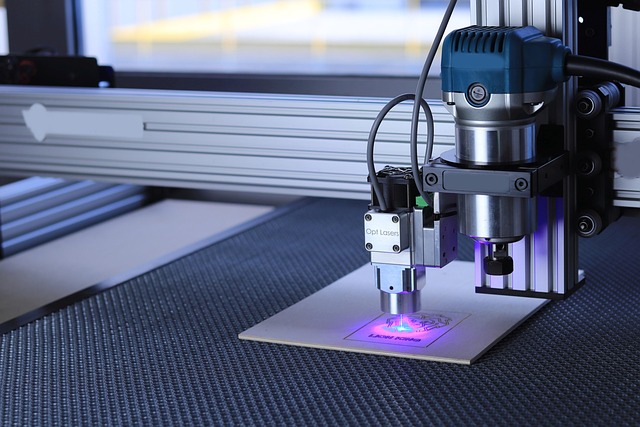
How Can a Wood CNC Machine Simplify Digital Carpentry Workflows
Cutting the Complexity from Digital Carpentry
Digital carpentry today revolves around precision, repeatability, and smart automation. The wood CNC machine has become the cornerstone of this transformation, bridging traditional craftsmanship with modern digital workflows. Its ability to execute complex geometries with minimal waste reshapes how wood products are designed and manufactured. This article explores how CNC technology cuts through the complexity of carpentry by merging design intelligence with production efficiency.
The Role of Wood CNC Machines in Modern Digital Carpentry
In advanced woodworking environments, automation defines productivity and consistency. The wood CNC machine is not just a cutting tool but a digital extension of design intent, capable of translating virtual models into tangible forms with remarkable precision.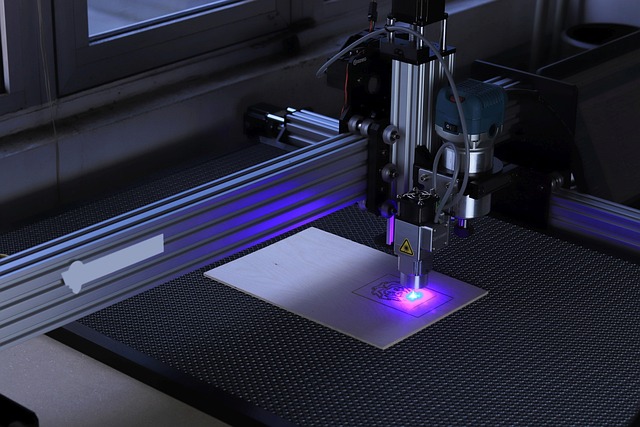
Integration of CNC Technology in Woodworking
CNC machines automate precision cutting, carving, and shaping processes that once relied heavily on manual expertise. When paired with CAD/CAM software, they enable seamless transitions from design to fabrication, eliminating inconsistencies that often arise from human error. This integration allows manufacturers to maintain uniform quality across large production runs while reducing rework.
Evolution from Traditional Carpentry to Digital Workflows
The shift from manual craftsmanship to digital fabrication was driven by the demand for scalable precision. As custom furniture and architectural components became more intricate, traditional methods struggled to keep pace. Digital tools now align carpentry with Industry 4.0 trends, connecting machines through data-driven systems that improve throughput and traceability. Many workshops adopt hybrid workflows that combine hand-finishing artistry with automated cutting accuracy.
Streamlining Design-to-Production Processes with CNC Automation
The adoption of CNC automation simplifies every stage between concept and completion. It minimizes interpretation errors between designers and machinists while accelerating development cycles.
Enhancing Design Accuracy Through CAD/CAM Integration
By linking 3D modeling directly to machining instructions (G-code), designers can move swiftly from prototype to production without manual recalibration. This direct link reduces translation errors between teams and supports iterative testing within hours rather than days. In practice, such integration fosters innovation because design revisions can be validated almost instantly.
Automating Complex Cutting and Joinery Operations
Modern wood CNC machines handle intricate joinery patterns—like dovetails or mortise-and-tenon—with micron-level accuracy. Multi-axis routers further expand possibilities by machining curved or sculptural surfaces in a single setup. Automation also trims setup time and material waste, which is especially valuable when using costly hardwoods or composites.
Improving Efficiency and Precision in Carpentry Projects
Efficiency is no longer measured only by speed but also by consistency across multiple units. Digital control provides both.
Consistency and Repeatability in Production Outputs
Each movement of a CNC router follows predefined toolpaths that guarantee identical replication across batches. Optimized paths reduce dimensional drift even after extended operation hours. For manufacturers producing hundreds of cabinet panels or decorative moldings, this repeatability ensures consistent aesthetics without manual inspection at each step.
Time Optimization Across Fabrication Stages
Automated tool changes shorten downtime between milling operations, while parallel processing enables simultaneous machining on multiple workpieces. Advanced scheduling software coordinates these tasks so machine activity aligns precisely with project timelines—a necessity for large-scale interior projects where delivery windows are tight.
Material Utilization and Sustainability Benefits of CNC Machining
Beyond productivity gains, CNC machining contributes significantly to sustainable manufacturing by reducing waste and maximizing resource use.
Optimizing Material Yield Through Smart Nesting Algorithms
Software-driven nesting arranges component layouts across wooden sheets for maximum yield. By minimizing offcuts, workshops cut down on both material costs and disposal volume. In industries emphasizing eco-certification or carbon footprint reduction, this efficiency directly supports sustainability goals.
Precision Machining for Sustainable Wood Use
Controlled cutting depth preserves the fiber structure of natural wood while enabling use of engineered composites like MDF or plywood without weakening them. Reduced scrap rates mean fewer trees harvested per finished product unit—a small but measurable environmental advantage that adds up across production lines.
Integrating CNC Machines into Collaborative Carpentry Environments
Digital carpentry thrives when collaboration extends beyond individual workstations to entire networks of designers, engineers, and operators connected through shared data systems.
Synchronizing Digital Workflows Across Teams and Tools
Cloud-based platforms now allow real-time updates between CAD designers and machine operators. Version-controlled files prevent outdated drawings from reaching production floors—a common cause of costly rework in traditional shops. This synchronization keeps creative intent intact throughout fabrication.
Training and Skill Development for Digital Fabrication Specialists
Operating a wood CNC machine demands dual literacy: craftsmanship knowledge combined with coding logic for G-code interpretation. Continuous training programs help technicians stay current with evolving software interfaces and machine capabilities. Cross-disciplinary learning—spanning mechanical design, materials science, and automation—builds resilience as technology evolves faster than ever before.
Future Directions in Digital Carpentry with CNC Innovation
As hardware advances converge with intelligent software systems, the next phase of digital carpentry will rely heavily on adaptability and predictive control.
Advancements in Multi-Axis Machining Capabilities
Five-axis systems now allow carving complex architectural elements such as spiral columns or organic furniture contours without repositioning stock material. Integration with robotic arms further expands reach for large-scale installations like timber facades or sculptural pavilions where flexibility matters more than speed alone.
The Role of AI and Machine Learning in Predictive Machining
AI algorithms already refine toolpath generation based on previous runs to enhance surface finish while maintaining high throughput rates. Predictive maintenance uses sensor data analytics to anticipate spindle wear or vibration anomalies before failure occurs—reducing downtime dramatically compared to reactive servicing models recognized by ISO 9001 quality frameworks worldwide.
FAQ
Q1: What makes a wood CNC machine essential for modern carpentry?
A: It automates complex woodworking tasks like cutting and shaping while maintaining high precision across repeated runs.
Q2: How does CAD/CAM integration improve project outcomes?
A: It connects digital designs directly to manufacturing tools, minimizing miscommunication between design teams and machinists.
Q3: Can CNC machining reduce material waste?
A: Yes, smart nesting algorithms optimize sheet layouts so less raw wood is discarded during production.
Q4: What skills are required for operating advanced CNC equipment?
A: Operators need both woodworking fundamentals and programming knowledge to manage G-code instructions effectively.
Q5: How will AI influence future woodworking processes?
A: AI will drive predictive maintenance and adaptive machining strategies that increase reliability while improving output quality over time.