
Can Grinder Disc Safety Lessons Prevent Costly Workshop Accidents
Lessons Learned: Never Put a Grinder Down Until the Disc Stops Rotating
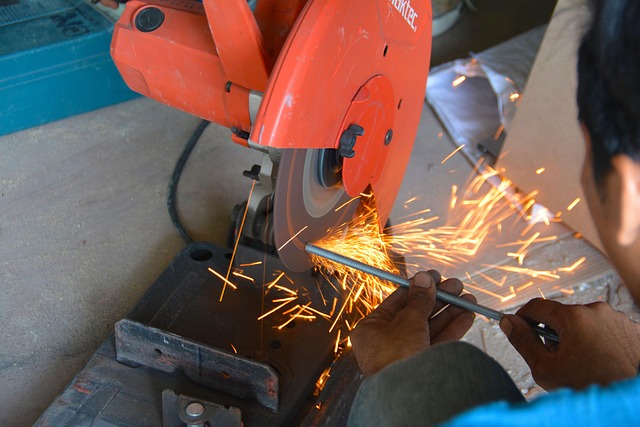
Even seasoned technicians sometimes underestimate the danger of a still-spinning grinder disc. The rule is simple: never put a grinder down until the disc has fully stopped. The residual kinetic energy in the disc can cause unpredictable movement, leading to serious injury or damage. Industrial workshops, including those in boiler water treatment companies, rely on strict safety discipline to maintain operational reliability and prevent accidents. This lesson has become a cornerstone of workshop safety culture, linking mechanical awareness with responsible human behavior.
Grinder Disc Safety in Industrial Workshops
Grinder discs are indispensable in industrial fabrication and maintenance environments. Their versatility makes them essential for metal cutting, surface preparation, and finishing tasks. However, their high-speed operation introduces significant hazards that require structured safety management.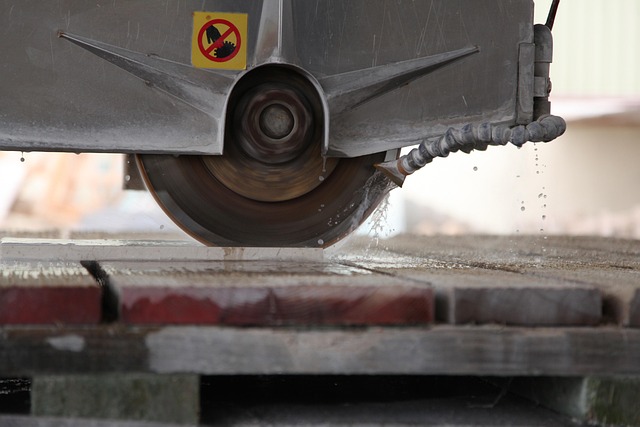
The Role of Grinder Discs in Workshop Operations
Grinder discs serve as precision tools for shaping and refining metal surfaces. They operate at thousands of revolutions per minute, converting electrical energy into rotational force for cutting or grinding. Improper handling—such as incorrect mounting or excessive pressure—can cause catastrophic failures like disc shattering or tool kickback. In workplaces where multiple grinders operate simultaneously, consistent adherence to safety protocols is critical to avoid cascading incidents.
Common Risks Associated with Grinder Disc Use
The most common risks include disc fragmentation due to improper installation or material fatigue. Physical contact with a moving disc can result in deep cuts or thermal burns from frictional heat. Sparks generated during grinding can ignite nearby flammable materials, especially in confined maintenance zones. These hazards underline the need for situational awareness and proper personal protective equipment.
The Critical Lesson: Never Put a Grinder Down Until the Disc Stops Rotating
This principle may sound basic but remains one of the most violated rules across workshops worldwide. Understanding why this rule exists requires examining the physics behind residual motion.
Mechanical Dynamics Behind a Rotating Disc
A grinder disc retains significant kinetic energy even after power-off. That stored energy keeps it spinning silently for several seconds. If placed on a bench prematurely, inertia and imbalance can make the tool lurch forward unexpectedly. Even slight vibration can cause it to travel across surfaces, potentially striking nearby objects or personnel.
Realistic Workshop Scenarios Illustrating the Risk
In one documented case, a grinder placed on a steel table while still rotating propelled itself off the edge within seconds, damaging both floor tiles and adjacent instruments. In another instance within a boiler maintenance area, sparks from an idle spinning disc contaminated sensitive water analysis equipment used by boiler water treatment companies. Such incidents show how small lapses can escalate into costly disruptions.
Integrating Safety Lessons into Workshop Protocols
Embedding this lesson into daily operations requires formalized procedures and continuous reinforcement through training and supervision.
Developing Standard Operating Procedures (SOPs) for Grinder Use
Effective SOPs should mandate visual confirmation that discs have completely stopped before setting down any grinder. Clear pictorial signage near workstations helps reinforce this rule subconsciously during routine tasks. Supervisors should periodically audit compliance as part of shift inspections.
Training and Competency Development for Skilled Personnel
Training programs must emphasize practical demonstrations over theoretical sessions. Operators should experience firsthand how long discs continue spinning after switch-off under various loads. Refresher courses every six months help sustain awareness among experienced workers who might develop complacency over time.
Linking Grinder Safety Culture with Broader Industrial Practices
Grinder discipline extends beyond fabrication shops; it influences other industrial sectors where mechanical tools interface with critical systems.
Cross-Disciplinary Relevance in Boiler Water Treatment Companies
In boiler water treatment companies, grinders are often used during pipeline modification or corrosion removal tasks. Unsafe handling not only endangers workers but may introduce metallic debris into chemical systems, compromising treatment efficiency and plant integrity. Maintaining strict grinder control supports both personal safety and process reliability.
Building a Proactive Safety Culture Across Workshop Teams
Encouraging open reporting of near misses involving grinders fosters transparency without blame. Recognition programs that reward adherence to shutdown procedures create positive reinforcement loops within teams. Over time, such behavioral consistency becomes ingrained as part of organizational identity rather than mere compliance.
Technological Innovations Supporting Safer Grinder Operations
Engineering advancements now complement human vigilance by embedding automated safeguards directly into tools.
Engineering Controls and Smart Tools for Risk Reduction
Modern grinders increasingly feature electronic braking systems that halt rotation within two seconds after power-off—an innovation derived from IEC 62841 standards on hand-held motor-operated tools. Ergonomic handles with vibration damping also reduce fatigue-induced mishandling during prolonged use.
Integrating Digital Safety Management Systems (DSMS) into Workshop Environments
Digital platforms track tool usage metrics such as spin duration and operator ID through RFID tagging. Automated alerts remind users to verify full stop before storage or transport. Integration with enterprise dashboards allows supervisors to analyze compliance trends across departments for continuous improvement.
Continuous Improvement Through Data, Feedback, and Leadership Commitment
Sustaining grinder safety requires data-driven insights combined with consistent leadership advocacy at every organizational level.
Using Data Analytics to Identify Safety Gaps in Grinder Handling Practices
Incident logs can reveal recurring patterns—such as frequent minor contact injuries linked to premature placement—that indicate procedural weaknesses. Statistical trend analysis helps prioritize targeted interventions like retraining specific shifts or upgrading outdated equipment models prone to longer spin-down times.
Leadership’s Role in Sustaining Long-Term Safety Discipline
Supervisors must exemplify correct behavior by waiting until discs stop before placing tools down themselves. Management’s commitment includes allocating budgets for modernized grinders with braking features and maintaining inventory records through centralized DSMS platforms that promote accountability across facilities.
FAQ
Q1: Why is it unsafe to put down a grinder before the disc stops?
A: Because residual kinetic energy keeps the disc spinning briefly after power-off, allowing it to move unpredictably if set on a surface.
Q2: How long does a typical grinder take to stop rotating after switch-off?
A: Depending on model size and load history, most discs take between 5–15 seconds unless equipped with an electronic brake system.
Q3: What kind of injuries are most common from mishandled grinders?
A: Deep lacerations from contact with moving discs and burns caused by frictional heat are among the most reported injuries globally.
Q4: Are there specific standards regulating grinder safety?
A: Yes, international standards such as IEC 62841 outline design requirements for hand-held motor-operated tools including braking performance criteria.
Q5: How can boiler water treatment companies apply these lessons?
A: By integrating grinder SOPs into maintenance protocols and ensuring staff training aligns with both mechanical safety principles and environmental contamination prevention goals.