
Are Electric Backhoe Loader Models Redefining Efficiency in Modern Construction
Getting to Know Electric Backhoe Loaders
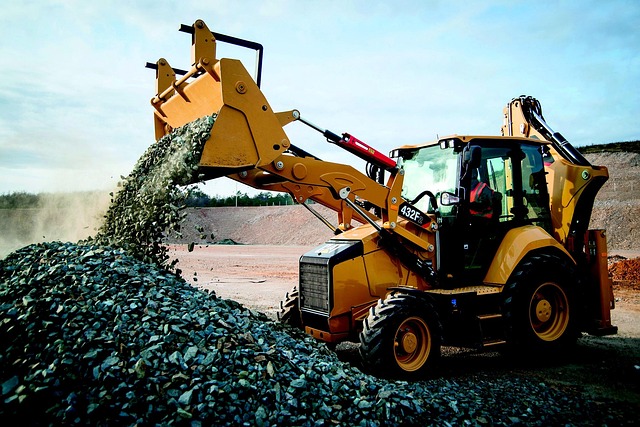
Electric backhoe loaders mark a turning point in construction machinery. They combine traditional mechanical strength with new energy systems that cut emissions and reduce noise. For contractors, this shift isn’t just about sustainability; it’s about performance and cost efficiency. Electric models deliver instant torque, lower maintenance needs, and compliance with tightening global emission standards. As infrastructure projects increasingly demand cleaner operations, these machines are becoming not a niche choice but a strategic investment for future-ready fleets.
Understanding the Evolution of Backhoe Loaders
The transformation of backhoe loaders over the decades reveals how technology and regulation shape industrial design. Once purely diesel-driven workhorses, they now represent a convergence of mechanical engineering and electrical innovation.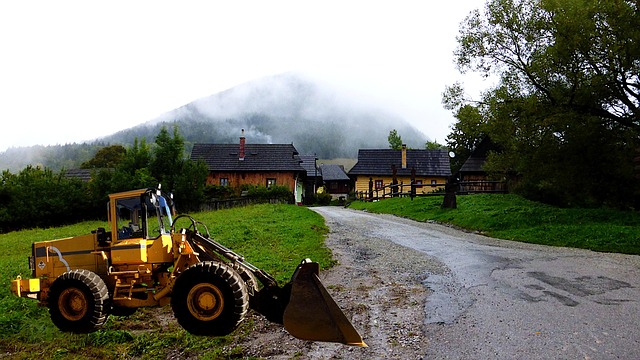
From Traditional Diesel to Electrified Powertrains
Conventional backhoe loaders relied on diesel engines for their durability and torque output. Over time, rising fuel costs and stricter emission standards forced manufacturers to rethink propulsion systems. Environmental regulations such as the EU Stage V and EPA Tier 4 Final pushed OEMs to develop cleaner alternatives. Electrification emerged as a practical response, offering zero tailpipe emissions and quieter operation. This shift also changed how engineers approach machine balance, cooling systems, and operator ergonomics.
Technological Advancements Leading to Electric Models
The move toward electric powertrains was made possible by progress in battery chemistry and control systems. High-capacity lithium-ion batteries now store enough energy for full-shift operation in many use cases. Electric drivetrains provide smoother torque delivery than mechanical transmissions. Advanced hydraulic systems have been re-engineered to work efficiently with electric motors, maintaining digging force while reducing energy loss. Digital control platforms enhance precision—operators can fine-tune movement speeds or power modes with minimal lag.
Core Engineering Principles Behind Electric Backhoe Loaders
Electric backhoe loaders are not simple conversions of diesel units; they are built around different engineering priorities that focus on energy flow, weight distribution, and system integration.
Powertrain Architecture and Energy Management
At the core is an electric motor delivering high torque from zero RPM, eliminating the need for complex gearboxes. Battery packs are configured for optimal balance between capacity and weight distribution. Regenerative braking recovers kinetic energy during deceleration or boom lowering cycles, feeding it back into storage cells. Sophisticated battery management systems monitor temperature gradients across modules to maintain thermal stability and extend service life.
Structural Adaptations for Electric Integration
Integrating heavy battery packs requires structural redesigns. Frames are reinforced at key points while maintaining ground clearance and maneuverability. Without combustion engines, vibration levels drop significantly; this allows lighter cab mounts and improved operator comfort. Manufacturers also use aluminum alloys or composite panels in non-load-bearing areas to offset added mass from electrical components.
Operational Efficiency in Modern Construction Settings
Electric backhoe loaders must prove themselves not only environmentally but also economically viable on job sites where uptime is critical.
Performance Metrics Compared with Diesel Counterparts
Field tests show comparable digging depths and cycle times between electric and diesel variants under similar conditions. Instant torque improves breakout force at low speeds, giving operators more control during trenching or material handling tasks. Energy consumption varies by duty cycle—light utility work consumes less power per hour than continuous excavation—but overall efficiency gains often offset charging downtime.
Maintenance and Lifecycle Cost Considerations
Electric systems contain fewer moving parts than internal combustion engines: no oil changes, filters, or exhaust aftertreatment components. This reduces maintenance intervals by up to 30–40%. Integrated telematics track component health in real time, enabling predictive maintenance scheduling before failures occur. Over a machine’s lifetime, total cost of ownership tends to favor electric models despite higher initial purchase prices due to lower fuel expenses and reduced servicing demands.
Environmental and Regulatory Implications
As cities introduce low-emission zones and governments tighten climate targets, electric backhoe loaders play an essential role in meeting compliance goals without compromising productivity.
Emission Reduction and Compliance Standards
These machines produce zero local emissions during operation, aligning with global standards like EU Stage V for non-road mobile machinery and EPA Tier 4 Final in North America. Many urban projects now require equipment that meets or exceeds these benchmarks to qualify for tenders or subsidies. For construction firms reporting sustainability metrics under ESG frameworks, deploying electric fleets supports measurable carbon reduction outcomes.
Noise Pollution Control and Site Impact Mitigation
Noise levels drop dramatically compared with diesel models—often below 70 dB under load—which benefits both workers’ hearing health and nearby residents in dense areas. Reduced vibration also lessens operator fatigue across long shifts. On projects near hospitals or residential zones, quieter machines allow extended working hours without breaching local sound ordinances.
Integration with Smart Construction Ecosystems
The next stage of development connects electric backhoe loaders into digital ecosystems where data drives operational decisions across entire fleets.
Connectivity, Data Analytics, and Fleet Management
IoT-enabled sensors collect live data on battery status, hydraulic pressure, temperature variations, and usage patterns. Cloud-based dashboards let fleet managers monitor performance remotely and schedule recharging during off-peak hours to balance grid demand. Analytics derived from this data help optimize deployment—assigning machines based on expected workload intensity rather than static schedules.
Compatibility with Autonomous and Semi-Autonomous Systems
Electric platforms integrate naturally with automation technologies since electronic controls already manage propulsion and hydraulics digitally. Machine guidance systems can execute precise grading or trenching tasks using GPS coordinates combined with AI-assisted algorithms that learn from operator behavior over time. As autonomy matures, these connected machines will form part of coordinated jobsite networks emphasizing safety through predictive collision avoidance.
Challenges and Future Outlook for Electric Backhoe Loaders
Despite clear advantages, technical hurdles remain before full electrification becomes standard practice across all heavy equipment categories.
Technical Limitations and Infrastructure Requirements
Battery energy density still limits continuous operation time; most current models run four to eight hours depending on workload intensity. Charging infrastructure at construction sites is inconsistent—some rely on mobile generators or fast chargers powered by renewable sources when available. Industry groups are discussing standardized connectors similar to automotive CCS protocols to simplify interoperability among brands.
Market Adoption Trends and Innovation Pathways
Major manufacturers are investing heavily in electrified portfolios as part of long-term sustainability strategies. Research focuses on solid-state batteries that promise higher capacity per kilogram along with faster charging cycles measured in minutes rather than hours. Hybrid configurations combining small combustion generators with large battery banks may serve as transitional solutions until charging networks mature fully across regions.
FAQ
Q1: How long does an electric backhoe loader operate on a single charge?
A: Most current models deliver between four to eight hours of active operation depending on digging intensity, ambient temperature, and hydraulic load cycles.
Q2: Are electric backhoe loaders more expensive than diesel ones?
A: The upfront cost is typically higher due to battery packs but total ownership costs often decrease thanks to lower maintenance needs and energy savings over time.
Q3: Can electric backhoe loaders be used in remote areas without grid access?
A: Yes, some contractors deploy mobile charging units powered by solar arrays or hybrid generators when fixed infrastructure isn’t available onsite.
Q4: What are the main environmental benefits?
A: They eliminate tailpipe emissions entirely during operation while reducing noise pollution significantly compared with traditional diesel equipment.
Q5: Do electric versions match diesel performance levels?
A: In most applications they do; instant torque delivery even improves control precision though extreme heavy-duty cycles may still favor high-capacity diesel units until next-generation batteries arrive.