
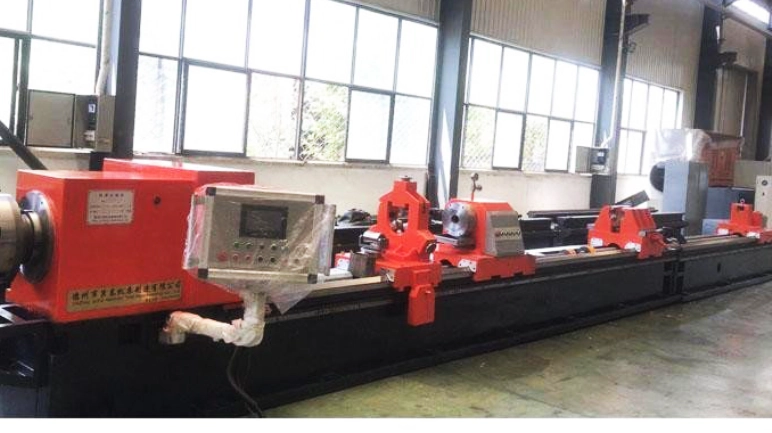
What Makes A Vertical Boring Mill Outperform A Horizontal Setup
What Defines the Structure of a Vertical Boring Mill?
A vertical boring mill is made to deal with huge parts that need solid support and exact work. Its build focuses on strength, how weight spreads out, and sharp control. Every part, from the column to the spindle, helps get steady results even with tough cutting jobs. Think about it: in a busy shop, this setup keeps things running smooth without much fuss.
Column and Base Configuration for Stability
The column and base in a vertical boring mill make up the main support for its work. A strong column works with a heavy base to give better strength for big pieces. The straight-up setup cuts down on bending during deep hole jobs. This matters a lot for parts like turbine casings or pressure vessel rings. It holds up better under strong cutting push. The load goes right from the tool to the base. That cuts vibration. Workers often say machines with cast-iron bases hold their shape longer than those with welded frames. For example, in a factory I recall, one with a cast-iron base ran for years without losing its true lines, saving on fixes.
Spindle Orientation and Motion Control
The spindle points straight down. This lets gravity help clear away chips. It also lines up the tool naturally with the turn axis. That leads to better surface looks. Plus, it makes tools last longer by stopping chip buildup near the cut spot. Motors drive the axes for steady speeds and even tool paths. This is key in shaping or multi-step hole cycles. New control setups boost repeat work in multi-axis jobs. They match moves between turning and straight-line parts. Take CNC spindles: they keep holds to microns even in long jobs. It’s like having a steady hand for hours on end.
Table Design and Workholding Efficiency
The turning table in a vertical boring mill sits at the heart for big or odd-shaped items. These tables handle pieces weighing tons. They stay balanced with good bearing setups. Hydraulic chucks and clamps hold parts firm during cuts. They spread the grip pressure evenly over touch points. The table size sets the biggest part it can take. Bigger tables give more room but need stronger motors to keep turning under weight. In real use, a 2-meter table might handle a ship gear without a hitch, while a smaller one limits you to car parts.
Why Does a Vertical Boring Mill Excel in Heavy-Duty Machining?
Heavy work needs machines that take big forces without losing sharpness. The vertical boring mill does well here. Its build supports high weights while keeping bend low. Sometimes, folks overlook how this simple up-down setup changes everything in a tough shop.
Superior Load Handling Capabilities
In the up setup, weight spreads even over the machine. It doesn’t stick out like in side ways. Big bearings hold strong side and up-down pushes. This lets steady turns even on huge items like engine housings or valve bodies. Less shake means smoother finishes on big parts. You see this when making holes over one meter wide. Picture a team boring a massive ring: the vertical way keeps it from wobbling, unlike others that might shake the whole floor.
Enhanced Rigidity for Deep Cuts
Shorter tool reach cuts bend stress on cutters. So, you can go deeper without noise or bend. The tough build holds true under high push in rough cuts on steel or iron blanks. This strength keeps sizes the same over many passes. It’s vital for steady output in batch work. From experience, deep cuts on a 500mm bore stay spot-on, no drift after 10 hours.
Efficient Material Removal Rates
Vertical boring mills clear chips well. Their paths stop recutting and tool wear. High power at slow turns helps hard cuts in fields like power or ship work. Steady feed keeps work going in long runs. This cuts stop time that hurts output. In one case, a mill removed 200kg of steel in a shift, way faster than expected.
How Does a Vertical Boring Mill Improve Accuracy Over Horizontal Machines?
Sharpness gaps between up and side setups tie to shape and heat acts. The up design gives built-in perks that hold true through long work. It’s not always perfect, but it beats side ones in most spots.
Reduced Thermal Distortion Effects
Up setups cut heat build in key spots. Heat goes up, away from spindle bearings or tracks. Even heat keeps spindle straight in long runs by cutting uneven grow between parts. Cooling setups steady hot spots like motors or fluid lines. This boosts size hold over time. For instance, in hot shops, vertical ones stay aligned after 8 hours, while others warp a bit.
Gravity-Assisted Alignment Benefits
Gravity helps line up by pressing the piece firm on the table all through cuts. This keeps center match between tool and piece line without side slips seen in side machines from push. Better line up aids hold control in finish work where tiny sharpness counts. It’s a small thing, but it saves headaches in tight fits.
Integrated Measurement and Feedback Systems
New vertical boring mills add in-tool checks for live size checks. This lets auto fixes for slips before they spread in batches. Closed loops fix shifts auto by tweaking axis spots from sensor info. Smart sensors spot shake or off-line early. So, workers step in before quality drops. In practice, this caught a 0.05mm drift once, fixing it on the fly.
In What Applications Does a Vertical Boring Mill Outperform a Horizontal Setup?
Both setups fit somewhere, but some jobs clearly pick up for part shape, weight spread, or reach needs. It’s about matching the tool to the task, not just picking one blindly.
Large-Diameter Component Machining
Vertical boring mills fit best for turbine casings, valve bodies, and engine housings with big widths. Their tables hold large round parts safe without hard holds. The up point makes handling big tube parts easy with overhead lifts, not side tools. It gives reach to inside faces without moving the piece. This saves time in deep hole or edge work. Say you’re doing a 3m casing: vertical wins hands down.
Aerospace and Energy Sector Requirements
Sharp hole work on jet engine parts gains from up steadiness. Center must stay true across many widths in tight holds. Power parts like pressure vessels need strong setups to fight twist under heavy push or break cuts. Multi-axis up builds let complex shapes like sloped holes or shaped seal spots get done in one go. In energy, this means fewer errors on million-dollar pieces.
Heavy Equipment Manufacturing Processes
For build gear making, hubs, gears, and bearing housings match up machining best. Their size and need for true hole line to outside faces fit vertical. High power cuts rough cast or forged stuff well without hurting finish later. Steady sharpness cuts after-cut work in big runs where time means money. A factory might shave hours off per batch this way.
How Does Setup Efficiency Differ Between Vertical and Horizontal Configurations?
Setup speed hits output in any cut shop, especially with big pieces needing care in moves. Vertical often edges out here, though it depends on the shop layout.
Simplified Workpiece Loading Procedures
Overhead cranes place heavy items easy on up tables. Gravity seats them firm on spot faces. Less hand work cuts setup time and worker tiredness. It boosts safety in load steps. Center weight stops part moves in grip or turn steps. This small point aids repeat across lots. Loading a 5-ton part takes half the time compared to side ways.
Faster Tool Change Operations
Auto tool swaps cut stop time between cut steps. They load tools into side storage near the spindle top. Shorter paths trim cycle times for repeat jobs like step drills or edge bores in valve lines. Tool plans sort order for hard hole patterns. So, shifts happen smooth in set cycles. This keeps the mill humming without long waits.
Streamlined Maintenance Accessibility
The up build lets easy reach to main parts like bearings, fluid units, or drive straps for checks or fixes. No big frame breaks needed. Lube spots group together for quick service. Swap parts ease when wear hits after long use. In a real shop, this means less downtime—maybe 20% faster fixes.
What Role Does Automation Play in Modern Vertical Boring Mills?
Auto tech has changed how new vertical boring mills run. It mixes digital lead with mechanical sharpness for smarter shop flows. It’s exciting how this ties into daily work without overcomplicating things.
Integration with CNC Control Systems
Multi-axis CNC ties let sharp lead over hard shapes needed in air casings or pump housings. There, many widths cross at different depths. Smart coding tweaks speeds from material info via sensors in motors or spindles. Digital copies test cut paths first to stop crashes or over-cuts that hurt costly tools. This setup caught a near-miss in a test run once.
Robotic Handling and Loading Solutions
Auto loaders move heavy pieces smooth between spots with timed robot arms. They use sight tech for spot holds within 0.1mm. Robots boost flow while keeping true spots key for steps like rough then finish holes on linked machines in auto cells. It’s like having extra hands that never tire.
Data Monitoring and Predictive Maintenance Tools
Live watches track spindle push, shake, and heat all the time. So, fix teams spot odd spots early before breaks. Smart guesses predict wear to plan fixes ahead. Cloud screens let far-off watch of output from main rooms. This fits smart shops using new standards. One plant used this to avoid a breakdown, saving a full day.
When Should Manufacturers Choose a Vertical Boring Mill Over a Horizontal One?
Picking between builds hinges on part traits, hold needs, space limits, and flow goals. Not just brand—it’s practical fit. Sometimes, space alone tips the scale.
Suitability for Large, Heavy Components
When part weight beats hand lift, up point adds safety. Gravity helps seat, not fight. Pieces needing inside width finish gain from steady up builds where reach is straight along hole line. Less move boosts output on big items in ship or power fields. For a 10-ton vessel ring, vertical is the clear choice.
Preference for Precision-Critical Operations
Tight hold jobs need top strength in up machines. They hold micron sharpness over long runs. Steady true across big batches fits air standards where each hole must match join parts. Low bend keeps shape in deep hole steps where small bend could hurt seal work. It’s reliable for high-stakes stuff.
Considerations of Floor Space and Workflow Optimization
Up builds take less ground than side ones. They suit tight shop floors. Simple moves boost floor flow, key in mixed runs where setups shift often in days. Ties with auto cells max output in small spots. You can run many machines at once without clash. In a crowded plant, this setup freed up room for more tools.
FAQ
Q1: What distinguishes a vertical boring mill from other lathes?
A: Its vertically oriented spindle allows gravity-assisted machining ideal for large-diameter parts unlike standard horizontal lathes designed mainly for shaft-type components.
Q2: Can a vertical boring mill perform turning operations?
A: Yes; many models include facing heads enabling both turning and boring functions within one setup saving changeover time.
Q3: How important is table diameter selection?
A: Table diameter defines maximum workpiece size; selecting too small limits capability while oversizing increases cost unnecessarily.
Q4: Are modern VBM machines compatible with Industry 4.0 platforms?
A: Most current models integrate sensors data collection modules enabling connectivity with digital monitoring networks used in smart manufacturing systems.
Q5: Which industries rely most heavily on VBMs today?
A: Aerospace energy heavy equipment automotive mold-making sectors all depend on VBMs due to their ability to handle massive precise components efficiently.