
Can A GMAW Welder Optimize Automated MIG Welding Systems For Heavy Industries
Automated MIG Welding System Designed for Heavy Industries
Automated MIG welding systems are redefining heavy industrial fabrication by merging the precision of robotics with the consistency of Gas Metal Arc Welding (GMAW). These systems deliver higher deposition rates, improved arc stability, and reduced downtime in large-scale manufacturing environments. The modern gmaw welder acts as the core of this automation, translating traditional manual expertise into programmable logic. When properly integrated, automated MIG systems not only enhance weld quality but also improve energy efficiency and sustainability across production lines.
Understanding the Role of a GMAW Welder in Automated MIG Welding Systems?
The role of a gmaw welder extends far beyond operating a torch; it involves managing complex interactions between current, voltage, and wire feed speed to maintain optimal weld quality. In automation, these parameters become digital inputs that define system behavior.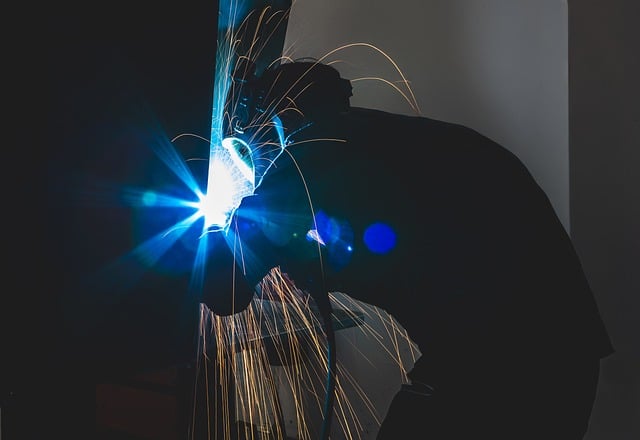
Overview of GMAW and Its Industrial Relevance
Gas Metal Arc Welding (GMAW) forms the backbone of automated MIG processes due to its continuous wire feed and controlled shielding gas environment. The process relies on maintaining arc stability through precise voltage control while managing different metal transfer modes such as short-circuiting or spray transfer. Compared with SMAW or GTAW, GMAW adapts more readily to robotic platforms because it requires fewer manual interventions and delivers consistent results over long production runs.
Integration of GMAW Principles into Automated Systems
Automation translates manual GMAW knowledge into robotic algorithms that synchronize power source output with motion control systems. The integration demands accurate calibration between wire feed speed and travel velocity to avoid defects like undercutting or excessive spatter. Maintaining consistent weld pool dynamics is vital since even small thermal variations can affect bead geometry and penetration depth in automated sequences.
Optimization Strategies for Automated MIG Welding in Heavy Industries
In heavy industries such as shipbuilding or structural steel fabrication, optimization focuses on controlling process variables under dynamic conditions. Automation must handle large components where heat input and distortion management are critical.
Parameter Calibration and Process Control
Current, voltage, and travel speed determine the heat input per unit length. Automated systems use adaptive control loops that adjust these parameters in real time based on sensor feedback. Advanced controllers analyze arc sound or visual data to detect instability before it leads to weld defects.
Enhancing Deposition Efficiency and Weld Integrity
Deposition efficiency depends heavily on wire type, diameter, and shielding gas composition. For example, using argon-CO₂ mixtures improves arc stability while minimizing spatter formation. Torch positioning accuracy also plays a major role—robotic arms must maintain consistent standoff distances even when welding curved or inclined surfaces typical in heavy machinery frames.
Advanced Automation Technologies Supporting GMAW Systems
The combination of robotics, AI-based path correction, and CNC coordination has transformed how automated MIG welding operates in complex industrial settings. These technologies make it possible to achieve repeatable precision even under challenging geometrical constraints.
Integration with Robotic Platforms and CNC Systems
Robotic MIG welding platforms synchronize multi-axis movements with arc initiation timing. This coordination ensures smooth starts and stops without crater formation at weld terminations. Multi-axis synchronization allows robots to handle joints with compound angles common in pressure vessel fabrication or offshore structures.
Data Analytics and Predictive Maintenance in MIG Automation
Modern automated systems continuously record current, voltage, temperature, and positional data during welding operations. Predictive algorithms analyze these datasets to forecast electrode wear or detect early signs of equipment fatigue. Over multiple production cycles, data logs help refine parameter sets for improved consistency across batches.
Material Considerations in Heavy Industrial MIG Welding Applications
Material selection strongly influences process design in heavy industry applications where thick sections or high-strength alloys are common. Each material presents distinct thermal conductivity and expansion characteristics that affect weld pool behavior.
Welding Thick Sections and High-Alloy Materials
Thick plates require careful heat input management to prevent incomplete fusion or excessive distortion. Preheating helps stabilize temperature gradients across joints while interpass temperature control reduces cracking risk in alloy steels. Controlled cooling rates further minimize residual stresses after solidification.
Surface Preparation and Contaminant Management
Surface cleanliness directly affects arc stability and wetting action during welding. Oxides, oil residues, or moisture can cause porosity and inclusions within the weld metal. Industrial cleaning agents combined with additives like diversey defoamer assist in maintaining surface integrity during preparation stages by removing contaminants that interfere with gas shielding effectiveness.
Process Validation and Quality Assurance Frameworks
Automation does not eliminate inspection—it enhances traceability through integrated monitoring tools that record every stage of the weld sequence for later review against industrial standards.
Non-destructive Testing (NDT) Integration with Automation Lines
Automated inspection units employ ultrasonic or radiographic testing immediately after welding to detect subsurface flaws without interrupting workflow. Visual sensors mounted on robotic arms can identify surface discontinuities such as cracks or undercuts during operation itself.
Standards Compliance for Heavy Industry Welding Operations
Automated GMAW systems must comply with established frameworks like AWS D1.1 for structural steel or ISO 3834 for quality requirements in fusion welding. These standards define documentation protocols ensuring full traceability from parameter setup to final inspection reports—a necessity for certification in regulated industries such as energy infrastructure or aerospace manufacturing.
Future Directions for GMAW-Based Automated Welding Systems in Heavy Industries
With digital transformation reshaping manufacturing workflows, GMAW-based automation continues evolving toward smarter networks capable of self-adjustment based on live performance data.
Emerging Trends in Digital Welding Ecosystems
Digital twins now simulate entire welding processes before execution, predicting thermal cycles and distortion patterns virtually. Cloud-based connectivity allows remote access to production metrics across multiple facilities enabling continuous improvement through shared analytics models among engineering teams.
Sustainability and Energy Efficiency Considerations
Energy efficiency gains come from optimizing arc-on time while minimizing idle motion between passes. Manufacturers are also evaluating eco-friendly shielding gases with lower CO₂ footprints alongside recyclable consumables to align automated MIG operations with broader sustainability targets set by global industry standards such as ISO 14001 environmental management frameworks.
FAQ
Q1: What makes a gmaw welder suitable for automation?
A: Its continuous wire feed system allows stable arc performance that can be easily controlled by robotic algorithms without frequent manual adjustments.
Q2: How does shielding gas composition affect automated MIG welding?
A: The right gas mixture stabilizes the arc and influences bead shape; argon-rich blends often yield smoother finishes with less spatter.
Q3: Why is sensor feedback critical in automated welding?
A: Sensors provide real-time data enabling automatic correction when voltage drops or torch angles deviate from programmed paths.
Q4: What role does diversey defoamer play during surface preparation?
A: It helps remove foam residues from cleaning solutions ensuring cleaner surfaces which support better weld adhesion.
Q5: Are digital twins widely used in heavy industry welding?
A: Yes, they’re increasingly adopted for process simulation allowing engineers to predict distortion before actual welding begins reducing rework rates significantly.