
Can a Circular Saw Blade Deliver Precision Comparable to a Wet Saw for Tile
Circular Saw Blade News
Tile cutting demands both precision and durability. Between circular saws and wet saws, the choice hinges on the material, desired finish, and job environment. Wet saws consistently deliver cleaner cuts with less chipping because of their water-cooling systems and diamond-coated blades. Circular saws, while faster to set up, often struggle with heat buildup and dust control when cutting tiles. For professional tile work where accuracy and surface quality matter most, a wet saw remains the superior option.
Comparing the Cutting Mechanisms of Circular Saws and Wet Saws
The two tools differ fundamentally in how they engage material. While both use rotating blades, their design intent diverges sharply—circular saws prioritize speed across wood or composite materials, whereas wet saws are engineered for delicate mineral-based tiles.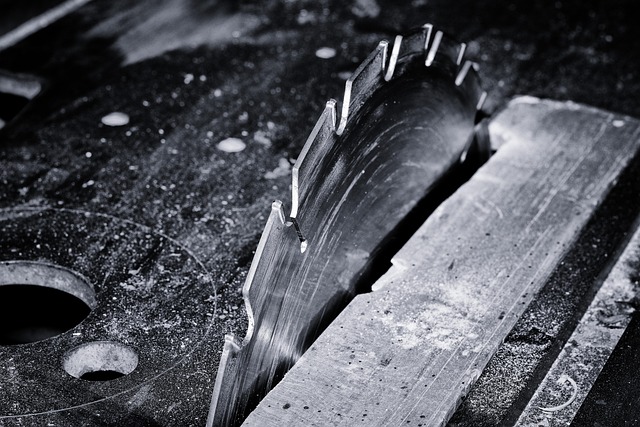
Fundamental Differences in Blade Design
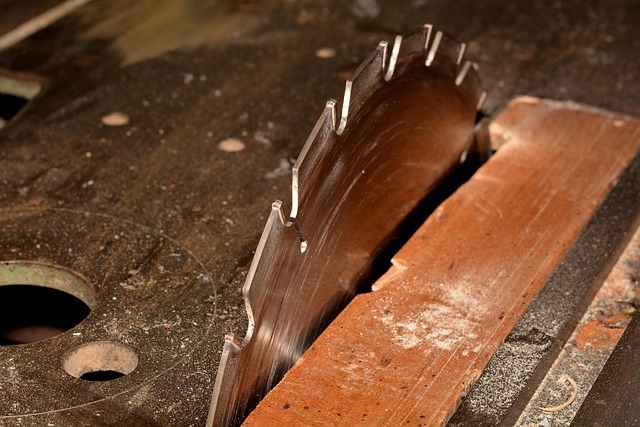
Wet saws rely on diamond-coated blades that grind through hard surfaces rather than tearing them. These continuous-rim designs minimize vibration and leave polished edges ideal for porcelain or marble. In contrast, a typical circular saw blade features segmented teeth optimized for wood fibers; when used on tile, these gaps can cause micro-chipping along the cut line. The absence of water cooling in circular saws also leads to accelerated wear and reduced lifespan of the blade.
Influence of Cooling Systems on Cut Quality
Water acts as both coolant and lubricant during wet cutting. It reduces friction at the contact point, preventing overheating that can warp blades or discolor tiles. In dry cutting scenarios using a circular saw blade, friction generates fine silica dust and thermal stress that may cause tile cracking. Continuous lubrication from water flow keeps debris flushed away, producing smoother edges with minimal chipping.
Evaluating Precision in Tile Cutting Applications
Precision is not merely about straight lines; it involves consistent depth, edge integrity, and repeatability across multiple pieces. Here lies one of the clearest distinctions between these two machines.
Factors Affecting Accuracy in Circular Saw Cuts
Circular saws depend heavily on manual guidance. Even slight hand deviations can alter alignment or depth consistency across tiles. Under load, blade deflection may occur—especially with thin kerf blades—resulting in uneven surfaces or scoring marks. Without a fixed guide system or sliding tray, achieving identical cuts repeatedly becomes challenging.
How Wet Saws Achieve High Precision
Wet saws incorporate adjustable fences and sliding trays that maintain steady trajectories throughout each pass. The water stream stabilizes the blade’s motion by cooling it evenly and dampening vibration. A stationary platform ensures dimensional accuracy even for intricate layouts like diagonal patterns or mosaic sections where millimeter precision is required.
Material Considerations When Choosing Between Tools
Different tile compositions respond differently to heat and pressure. Selecting between a circular saw blade setup or a wet saw depends largely on tile density and brittleness.
Performance on Different Tile Types
Porcelain and natural stone tiles demand controlled cooling to avoid thermal shock that leads to cracks. Ceramic tiles can handle dry cutting but often exhibit rougher edges unless lubricated by water. For dense materials like granite or slate, the slower feed rate of a wet saw combined with continuous cooling prevents surface fractures.
Blade Composition and Abrasive Characteristics
Diamond grit concentration determines how smoothly a blade grinds through material. Segmented circular blades are designed for speed rather than finish quality; they remove material quickly but leave coarser edges. Continuous-rim wet saw blades produce finer finishes suitable for visible installations such as kitchen backsplashes or bathroom walls where aesthetics are paramount.
Operational Efficiency and Maintenance Factors
While both tools cut effectively under proper conditions, their operational efficiency varies depending on project size and tolerance requirements.
Speed Versus Finish Trade-offs in Professional Settings
Circular saws excel when speed outweighs finish quality—for example, rough cuts before final fitting. Their quick setup saves time but often requires secondary sanding or polishing afterward. Wet saws operate at slower feed rates yet produce clean results that minimize rework time later in the installation process. On large-scale tiling jobs where uniformity matters more than pace, wet systems prove more economical overall.
Blade Care, Longevity, and Cost Implications
Dry operation accelerates wear on circular blades used for tile applications due to higher friction levels. Overheating dulls diamond segments prematurely. Wet saw components need regular cleaning to prevent slurry buildup around bearings or trays that could affect rotation smoothness. Long-term cost efficiency depends on balancing maintenance frequency against precision requirements—frequent cleaning may extend equipment life significantly compared to replacing overheated blades regularly.
Safety, Dust Control, and Worksite Considerations
Cutting tiles generates fine silica dust regulated under occupational safety standards such as OSHA’s crystalline silica rule (29 CFR 1926.1153). Managing exposure is critical not only for compliance but also for operator health.
Managing Silica Dust Exposure During Tile Cutting
Dry cutting produces airborne crystalline silica particles that require respirators rated N95 or higher along with containment barriers in enclosed areas. Wet cutting suppresses dust at its origin by binding particles within water droplets before they become airborne. Many indoor job sites now prefer wet methods since they comply more easily with regulatory dust limits without additional ventilation systems.
Ergonomic and Environmental Impact Factors
Reduced vibration from wet saw operation lowers operator fatigue during extended sessions compared with handheld circular units prone to kickback forces. Noise output also differs: dry-cutting motors typically emit sharper tones due to air-cooled housings whereas water dampens sound energy around a wet system’s blade housing. Proper drainage management remains essential; collected slurry should be filtered before disposal to prevent contamination of drains or soil surfaces near construction zones.
Practical Guidelines for Tool Selection in Tile Projects
Choosing between these tools involves more than convenience—it reflects an assessment of project scope, environmental constraints, and desired visual outcome.
Assessing Project Requirements Before Choosing Equipment
Evaluating material hardness helps determine whether a standard circular saw blade can suffice or if a diamond-rimmed wet blade is necessary. Tile size influences stability during cutting; larger slabs benefit from fixed platforms rather than handheld passes. Workspace conditions such as access to electricity or running water further dictate feasibility—outdoor projects may tolerate dry methods better than confined interiors requiring strict dust control measures.
Optimizing Results Through Correct Technique and Setup
Accurate guide alignment is crucial regardless of tool type; even minor misplacement compounds over long cuts leading to uneven joints during installation. Applying steady feed pressure minimizes chipping whether cutting dry or wet—forcing progress too quickly risks edge spallation especially near corners. Periodic inspection of each circular saw blade ensures consistent performance since worn diamonds reduce efficiency dramatically after prolonged use.
FAQ
Q1: Can a circular saw cut ceramic tiles effectively?
A: Yes, but only with a diamond-tipped circular saw blade designed for masonry; otherwise excessive chipping may occur due to tooth spacing meant for wood materials.
Q2: Why does a wet saw produce smoother cuts?
A: Continuous water cooling stabilizes temperature and flushes debris away from the contact zone, resulting in cleaner edges with minimal microfractures.
Q3: Are there safety concerns unique to dry cutting?
A: Dry cutting releases respirable silica dust linked to lung disease; proper PPE including respirators is mandatory under occupational standards like OSHA 29 CFR 1926.1153.
Q4: How often should wet saw components be cleaned?
A: After every major session to remove accumulated slurry which can harden around moving parts affecting accuracy over time.
Q5: Which tool offers better long-term value?
A: For professionals handling frequent tile work requiring high finish quality, investing in a wet saw yields greater durability and lower rework costs compared with adapting standard circular tools repeatedly.