
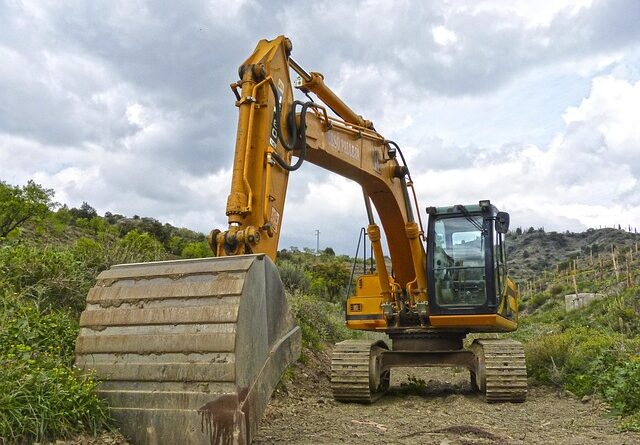
What Makes The New Caterpillar Excavator Lineup A Game Changer For CTL Experts
Caterpillar Expands Its CTL and Micro Excavator Lineup
Caterpillar’s latest expansion of its compact and micro excavator lineup signals a strategic push into the high-demand segment of small-scale, high-performance machinery. These new models are tailored for compact track loader (CTL) professionals who require versatile, fuel-efficient, and technologically advanced equipment for urban construction, landscaping, and utility work. The company’s focus on digital integration, operator comfort, and sustainability positions this generation of machines as both powerful and environmentally responsible tools designed to redefine productivity standards in compact equipment operations.
Overview of Caterpillar’s New Excavator Lineup
The introduction of Caterpillar’s expanded excavator range marks a decisive step toward meeting the evolving needs of contractors seeking compact yet capable machines. The new lineup brings together engineering precision with digital intelligence, reflecting Caterpillar’s broader strategy to strengthen its leadership in the compact segment.
Expanding the Compact and Micro Excavator Range
The new caterpillar excavator models are engineered for CTL professionals who often operate in confined or sensitive environments. Each unit emphasizes versatility across multiple job types—from trenching narrow utility lines to detailed grading near existing infrastructure. With improved hydraulic systems and reduced footprint designs, these machines deliver full-sized performance in smaller packages suitable for dense urban zones.
Caterpillar’s focus on technology integration extends beyond mechanical upgrades. The inclusion of smart controls and telematics ensures operators can monitor performance metrics in real time while maintaining fuel efficiency during extended shifts. This balance between power and precision makes the lineup particularly appealing to contractors managing mixed-fleet operations.
Key Objectives Behind the Product Expansion
At the core of this expansion lies Caterpillar’s response to market demand for high-performance compact equipment. Contractors increasingly seek machines that combine low operating costs with advanced automation features that simplify complex tasks. The objective is clear: enhance operator productivity while minimizing fatigue through intuitive control systems and semi-autonomous functions.
This strategic move also strengthens Caterpillar’s competitive position within a fast-growing sector where agility and adaptability define success. By offering a broader product range backed by integrated technology platforms, the company reinforces its role as a partner to CTL experts seeking reliable solutions that scale across diverse project requirements.
Technological Advancements in the New Excavator Models
Technology plays a defining role in how these new caterpillar excavator models perform under demanding site conditions. From hydraulics to automation, each system contributes to smoother operation, reduced energy use, and smarter decision-making at every stage of work.
Integration of Smart Hydraulic Systems
The upgraded hydraulic architecture enhances responsiveness during multi-function operations such as simultaneous boom lift and bucket curl. Operators experience smoother transitions between tasks without sacrificing precision or speed. Energy-efficient pumps reduce fuel consumption while maintaining breakout force—an important factor when balancing cost control with performance expectations.
Precision remains central to these improvements. Whether used for fine grading or trenching near utilities, the smart hydraulic system adapts flow rates automatically based on load demands, ensuring consistent results even under variable soil conditions.
Machine Control and Automation Features
Automation continues to transform excavation workflows. Factory-integrated grade assist technology allows operators to maintain consistent slope angles without constant manual adjustments. Built-in payload measurement systems streamline material handling by providing accurate load data directly from the cab display.
Semi-autonomous functions relieve repetitive strain during extended tasks such as trench backfilling or leveling operations. Meanwhile, real-time machine monitoring supports data-driven site management—allowing fleet supervisors to analyze efficiency trends remotely through connected platforms.
Design Innovations That Enhance Performance
Beyond software upgrades, Caterpillar has invested heavily in structural design improvements that directly influence durability, stability, and ease of maintenance—critical factors for long-term profitability in heavy-use environments.
Structural Improvements for Durability and Stability
Reinforced undercarriage components now feature higher-grade steel alloys that resist wear under continuous track loading. Optimized weight distribution reduces ground pressure while improving stability on uneven terrain—a key advantage when operating near embankments or soft soil conditions.
Serviceability has also been simplified through redesigned access panels that allow faster inspection of filters and fluid lines. Reduced downtime between maintenance intervals translates into greater machine availability across project cycles.
Operator-Centric Cabin Enhancements
Operator comfort plays an equally vital role in daily productivity. The redesigned cabin offers ergonomic seating with adjustable positioning that minimizes strain during long shifts. Joystick controls have been refined for smoother input response, enhancing precision when maneuvering within tight spaces common on urban job sites.
Visibility improvements include panoramic windows combined with optional 360-degree camera systems that provide comprehensive situational awareness—an essential safety feature when multiple crews operate nearby or when working close to pedestrian areas.
Efficiency and Sustainability Considerations
Efficiency is no longer limited to fuel economy; it extends throughout a machine’s lifecycle—from emissions compliance to recyclability at end-of-life stages. Caterpillar’s approach reflects an industry-wide shift toward sustainable construction practices aligned with global environmental standards such as ISO 14001 frameworks.
Fuel Efficiency and Emissions Reduction Strategies
Next-generation engines meet stringent emission standards while maintaining torque output across varying loads. Auto-idle functions automatically reduce engine speed during inactivity periods, cutting unnecessary fuel burn without interrupting workflow continuity. Eco modes further optimize engine mapping based on duty cycle intensity—a practical feature for operators alternating between heavy digging and light finishing tasks.
Noise reduction measures also make these machines suitable for noise-sensitive zones like hospitals or residential developments where operational discretion is crucial for compliance with local regulations.
Material Efficiency and Lifecycle Management
Caterpillar incorporates modular component design principles that facilitate easier part replacement rather than full assembly overhauls. This modularity supports recycling initiatives by separating materials efficiently at end-of-life processing stages.
Extended maintenance intervals lower total cost of ownership (TCO), allowing fleet managers to allocate service budgets more strategically across assets. Integrated telematics systems also predict component wear patterns before failure occurs—reducing unplanned downtime through proactive maintenance scheduling supported by cloud analytics tools.
The Competitive Edge for CTL Experts and Contractors
For CTL professionals managing diverse attachments or mixed-brand fleets, compatibility remains critical. Caterpillar addresses this need through enhanced connectivity between excavators, attachments, and digital ecosystems that collectively boost productivity outcomes across job sites.
Enhanced Compatibility with Attachments and CTLs
Quick coupler systems enable rapid switching between attachments such as augers, breakers, or grapples without leaving the cab—saving minutes per changeover that accumulate into hours over project timelines. Hydraulic flow customization ensures each attachment receives optimal pressure levels regardless of tool type or task intensity.
This interoperability extends across existing CTL fleets within contractor inventories, maximizing operational flexibility while reducing redundant capital investment in specialized equipment categories.
Productivity Gains Through Digital Ecosystem Integration
Connectivity with Cat® digital platforms provides remote diagnostics capabilities where technicians can identify issues before they escalate into costly repairs. Performance tracking dashboards visualize machine utilization rates across multiple sites—helping decision-makers fine-tune deployment strategies based on actual workload data rather than estimates.
Cloud-based software updates keep onboard systems current with evolving algorithms that refine control sensitivity or improve sensor calibration accuracy over time—a subtle but valuable edge in maintaining peak operational efficiency year-round.
Market Implications for Compact Equipment Professionals
The ripple effect from this product expansion reaches beyond individual contractors; it reshapes expectations across dealerships and fleet management networks engaged in compact machinery distribution worldwide.
Shifting Expectations in the Compact Equipment Segment
Professional operators increasingly prioritize technology-driven performance over raw horsepower alone. As automation becomes standard practice even among smaller models, competitors must innovate rapidly within control interfaces and telematics integration just to remain viable contenders in procurement decisions made by large construction firms adopting hybrid fleets combining CTLs with micro excavators.
Strategic Value for Dealers and Fleet Managers
Dealers benefit from an expanded catalog capable of addressing niche demands ranging from municipal maintenance projects to private landscaping contracts. Improved uptime metrics directly translate into stronger ROI figures reported by fleet operators who rely on predictive analytics derived from machine data streams aggregated via cloud services compliant with industry cybersecurity standards like ISO/IEC 27001 frameworks.
For asset managers overseeing multi-location operations, these insights provide actionable intelligence supporting resource allocation decisions grounded in verified performance histories rather than static depreciation schedules—a subtle yet powerful shift toward dynamic fleet optimization practices now defining modern equipment management strategies.
FAQ
Q1: What distinguishes Caterpillar’s new micro excavators from previous generations?
A: They feature smarter hydraulics, improved stability through weight optimization, and integrated digital controls designed specifically for compact site operations.
Q2: How do these models support sustainability goals?
A: Engines meet strict emission standards while modular components simplify recycling; auto-idle functions cut fuel waste significantly during idle times.
Q3: Are the new excavators compatible with existing Cat attachments?
A: Yes, quick coupler systems allow seamless attachment changes compatible across most Cat-branded tools used by CTL professionals today.
Q4: What kind of automation features are included?
A: Grade assist technology maintains consistent slopes automatically; payload measurement tracks material loads accurately without manual weighing steps.
Q5: How does telematics improve fleet management efficiency?
A: Real-time data monitoring enables predictive maintenance scheduling and remote diagnostics that reduce downtime while improving overall asset utilization rates.