
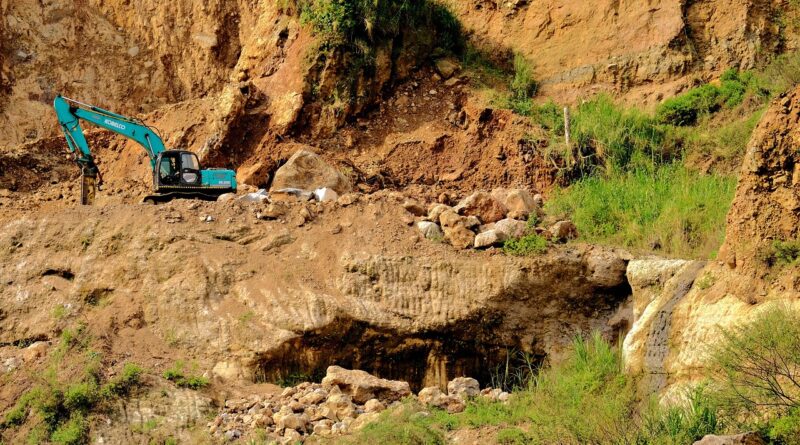
JCB excavator guide for choosing compact, tracked and electric models
What a JCB excavator search usually means
A search for a JCB excavator usually starts with a work requirement, not just a brand preference. JCB’s excavator range covers compact machines for landscaping and utilities, zero-tailswing models for confined work, larger tracked excavators for production digging, wheeled machines for urban mobility, and the 19C-1E electric mini excavator for low-noise or indoor applications. The right choice depends on operating weight, dig depth, tail swing, transport method, attachment flow, operator comfort and expected utilization. For broader machinery coverage, see the Equipment & Machines section.
Public JCB product information available in 2026 shows a range segmented by site size and duty cycle rather than one universal excavator platform. That distinction matters. A machine that works well for trenching beside a house may be inefficient for mass excavation, while a high-production crawler can be too heavy, too wide or too expensive to move frequently between small jobs.
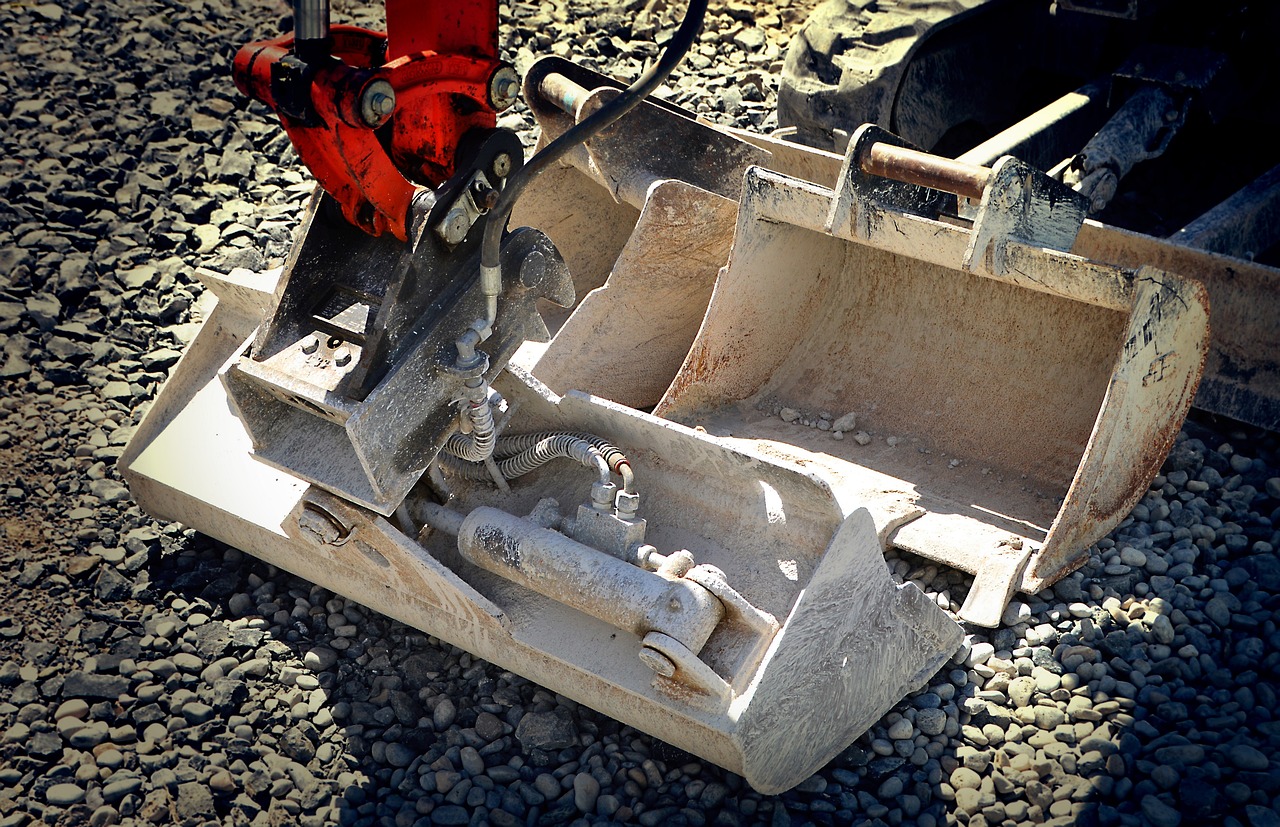
Main JCB excavator families
JCB groups its excavators into several practical families: mini excavators, tracked excavators, wheeled excavators and electric compact equipment. Their capabilities overlap, but the differences become clear when transport, surface protection and continuous production are part of the decision.
| JCB excavator family | Typical role | Key selection factor | Where it fits best |
|---|---|---|---|
| Mini excavators | Small digging, trenching, landscaping and utility work | Operating weight, dig depth, tail swing and towability | Residential sites, rental fleets, confined work zones |
| Electric mini excavator | Low-noise, zero-emission-at-point-of-use digging | Charging access, shift length and duty cycle | Indoor work, urban sites, hospitals, schools and sensitive areas |
| Tracked excavators | Production digging, lifting, demolition support and earthmoving | Stability, breakout force, hydraulic performance and undercarriage choice | Construction, infrastructure, quarry support and heavier civil work |
| Reduced-tail-swing tracked excavators | Heavy work in restricted spaces | Rear swing radius and working envelope | Highways, housing developments and sites near barriers or buildings |
| Wheeled excavators | Mobile digging and tool-carrier work on hard surfaces | Road mobility, outriggers, tire choice and attachment use | Municipal, road, bridge and urban utility work |
JCB’s published material describes mini excavators from ultra-compact 0.9 tonne machines up to 10 tonne models, with compact excavator dig depths stated at about 8 ft to 16 ft. For larger machines, JCB’s tracked excavator guidance covers a much heavier range, while its wheeled excavator guidance emphasizes road mobility and urban work.
Compact and mini models are about access, not just size
Mini excavators are often selected because they can reach places larger crawlers cannot. A compact footprint alone, however, is not enough. Buyers should compare tail swing, blade width, transport weight, hydraulic auxiliary options, bucket compatibility and the space needed for safe slewing.
JCB’s 2026 compact equipment update is a useful example. At The ARA Show 2026 in Orlando, JCB introduced the 25Z mini excavator alongside a compact track loader. JCB positioned the 25Z in the 2-to-3-ton class, with a zero-tailswing layout aimed at rental companies and residential contractors. The company stated a transport weight of roughly 5,621 to 5,622 lb, a key detail because transport flexibility often drives mini excavator utilization more than maximum digging force alone.
The 25Z-1 product information also highlights details that matter in rental and small-contractor work: a 25 hp engine, auto idle and auto stop functions, load-sensing hydraulics, available high- and low-flow pipework, tie-down points and easy daily access. These are not headline specifications, but they influence ownership cost because compact machines are often moved frequently and run by multiple operators.
For a small contractor, the question is not simply whether a mini excavator can dig deep enough. The better test is whether the machine can reach the work, be transported legally and safely, run the required attachment and avoid repeated downtime from daily service or damage. That is why zero tailswing, protected hose routing, steel body panels and simple access points can be as important as engine horsepower.
The 19C-1E electric mini excavator changes the site fit calculation
The JCB 19C-1E is significant because it moves the excavator decision beyond diesel size classes. JCB describes the 19C-1E as a fully electric mini excavator with zero emissions at the point of use and lower noise than comparable diesel operation. Its published product information states that a four-battery pack can support about five hours of work in a standard application, with charging options listed as 110V, 220V and 480V.
That does not make an electric mini excavator the automatic answer for every contractor. It makes the machine attractive where emissions extraction, operator communication, neighborhood noise or indoor access are the limiting factors. Relevant applications can include interior demolition support, basement excavation, night work in urban areas, school and hospital projects, underground utility work and enclosed industrial spaces.
The practical limitation is utilization planning. A diesel mini excavator can be refueled quickly in most locations. An electric model requires charging access, a realistic duty-cycle estimate and a plan for jobs that exceed the expected battery window. For rental fleets, the 19C-1E can be a differentiator when customers need low-noise or indoor capability, but the rental counter still has to match charger availability and daily workload to the customer’s job.
Tracked JCB excavators focus on stability, production and durability
When the job moves from compact trenching to heavier excavation, tracked excavators become the core option. Tracks distribute weight more effectively than wheels on soft or uneven ground, and the lower center of gravity is valuable on rough terrain. JCB’s tracked-versus-wheeled guidance points to tracked excavators for new-ground work, clearing and digging where traction and stability matter more than surface protection.
The X Series is central to JCB’s tracked excavator messaging. JCB product pages for machines such as the 131X, 245XR and 370X emphasize durability testing, operator comfort, hydraulic control and service access. The 131X is described as a 13 tonne class tracked excavator within the X Series, with testing that includes shaker-rig validation and repeated door and window operation checks. JCB also states low in-cab noise figures for certain X Series models, which matters for operator fatigue on long shifts.
For contractors comparing models, the choice should start with the work envelope and duty cycle. A utility contractor digging shorter trench runs may value easy transport, lower fuel use and a compact upper structure. A sitework contractor loading trucks all day needs bucket capacity, cycle speed, reach, stability and planned service access. A demolition or attachment-heavy user should pay close attention to auxiliary hydraulics, guarding, couplers, hydraulic breaker compatibility and cooling capacity.
Why reduced tail swing matters
The 245XR shows why rear swing radius can be more important than headline size. JCB describes the 245XR as a reduced-tail-swing tracked excavator within the X Series. Published product information states a tail swing radius of 5 ft 8 in, about 40% less than the 220X, plus a working radius reduction of 5 ft 3 in compared with the 220X. That design is aimed at highways, housing developments and other sites where an excavator must work close to barriers, buildings or live traffic.
Reduced tail swing is not only a safety feature. It can affect lane closures, traffic management, site layout and the amount of repositioning needed during a shift. The trade-off is that reduced-tail-swing machines must be evaluated carefully for counterweight, lift chart and stability in the exact configuration that will be used.
Where larger tracked machines fit
At the heavier end, JCB positions the 370X as a 35-to-40-ton class X Series excavator. JCB published specifications refer to an 8.9 L Cummins engine rated at 322 hp and describe hydraulic updates, reinforced structures and lift-performance improvements. This class is not intended for casual digging or tight residential work. It fits high-utilization environments where production rate, uptime, operator comfort and service planning justify the transport and operating cost. See also: CNC Machining.
Tracked vs wheeled JCB excavator decisions
JCB’s tracked-versus-wheeled guidance makes the basic distinction clear: tracked excavators suit soft, uneven or undeveloped ground, while wheeled excavators fit road, urban and bridge work where damaging asphalt or concrete is a concern. Wheeled machines can also reduce transport delays when a project requires movement across streets or between nearby work areas.
That does not mean wheeled excavators are simply faster tracked excavators. They require a different stability mindset. Outriggers or a dozer blade may be needed during digging or lifting, and tire condition becomes part of the maintenance picture. A wheeled excavator can be highly productive as a mobile tool carrier with buckets, breakers, grapples or tiltrotators, but the buyer must plan for road regulations, attachment flow and operator training.
For fleet owners, the economic comparison should include more than purchase price. A tracked excavator may need a lowboy move where a wheeled machine can road between tasks. On the other hand, a wheeled excavator may not deliver the same traction or undercarriage durability in muddy, uneven or undeveloped terrain. The best choice is usually dictated by how often the machine moves versus how hard it digs after it arrives.
How to specify a JCB excavator for real work
A practical specification process should begin with the job, not the brochure. The following checklist can reduce the risk of buying too much machine, too little machine or the wrong configuration.
- Define the main task. Trenching, grading, lifting, breaking, pipe handling and truck loading all put different demands on the machine.
- Measure access limits. Gate width, road restrictions, overhead clearance, transport weight and tail swing can eliminate models before performance is considered.
- Confirm dig depth and reach. Use the required trench depth, loading height and spoil placement distance, not a generic size class.
- Check lift needs with the correct setup. Buckets, couplers, thumbs, tiltrotators and counterweights change the usable lift chart.
- Match hydraulics to attachments. Breakers, augers, grapples and mowers need the right flow, pressure and return-line arrangements.
- Plan the transport method. A machine that is technically compact can still be inefficient if it requires a trailer, truck or license class the crew does not have.
- Review service access and fleet support. Daily checks, greasing intervals, filter access, telematics and local dealer capability affect uptime.
- Consider operator environment. Cab noise, visibility, seat quality, control customization and HVAC performance matter when utilization is high.
Attachment planning deserves special attention. Many excavator buyers focus on the base machine and add attachments later. That can create hydraulic or stability problems. If the excavator will run a breaker, compactor, mower, tilt coupler or grapple, the attachment should be part of the initial specification, not an afterthought.
Buying, renting and fleet planning considerations
A JCB excavator can make sense as a purchase, lease or rental depending on utilization. A contractor using the machine weekly for core work may benefit from ownership because availability and attachment setup become more predictable. A contractor needing a machine only for occasional trenching, seasonal landscaping or one-off demolition support may be better served by rental, especially in compact size classes.
Rental fleets tend to value machines that are easy to tow, simple to operate and durable under many operators. That explains the attention around zero-tailswing compact models, steel bodywork, diagnostic displays and simplified maintenance. Owner-operators may weigh comfort and hydraulic precision more heavily because the same person often runs the machine for long hours and notices small control differences.
Used equipment buyers should be more cautious. Model name and paint condition are not enough. Check service history, hydraulic leaks, bushing and pin wear, undercarriage condition, track tension, slew play, fault codes, attachment piping and evidence of breaker use. For electric compact machines, battery health, charger compatibility and actual duty-cycle history are just as important as hours.
Frequently asked questions
What is the best JCB excavator size for residential work?
For most residential work, a mini excavator or compact zero-tailswing model is usually the practical starting point. The exact size depends on access width, trench depth, lifting needs and transport method. A 2-to-3-ton class machine can be attractive for landscaping and utility work, while larger mini excavators may be needed for deeper digging or heavier lifting.
Is the JCB 19C-1E suitable for a full workday?
JCB states that the 19C-1E’s four-battery configuration can provide about five hours of work in a standard application. Whether that equals a full workday depends on the duty cycle, charging breaks and job intensity. It is strongest where low noise, indoor access or zero emissions at the point of use are more important than continuous heavy digging.
When should a contractor choose a tracked excavator over a wheeled excavator?
Choose a tracked excavator when the work is on soft, uneven or undeveloped ground, or when digging stability and traction are the main priorities. Consider a wheeled excavator for road, bridge, municipal and urban work where mobility between work areas and reduced surface damage are important.
Does reduced tail swing reduce performance?
Reduced tail swing does not automatically mean poor performance, but it changes the balance of the machine. Buyers should compare lift charts, counterweight options, bucket sizes and attachment plans. The benefit is a smaller working envelope, which can be valuable near buildings, traffic barriers or confined jobsite boundaries.
What should be checked before buying a used JCB excavator?
Inspect the undercarriage, hydraulic system, boom and dipper pins, slew bearing, service records, cab electronics, attachment lines and any signs of structural repair. For compact machines, also check transport wear and operator abuse. For electric models, verify battery condition and charger compatibility before committing to the purchase.
Bottom line
The most useful way to evaluate a JCB excavator is by application fit. Compact models solve access and transport problems. Electric models address noise and point-of-use emissions constraints. Tracked excavators deliver stability and production on heavier ground work. Reduced-tail-swing machines help where the working envelope is restricted. Wheeled excavators add road mobility for urban and municipal jobs. A strong specification starts with the site, the attachment, the transport plan and expected utilization, then works back to the machine size and model family.