
How Do Surface Finishing Methods Influence Precision in Surface Measurement
How Do Different Surface Finishing Methods Affect Measurement Precision?
Surface finishing methods shape the way you can measure a component’s surface with exactness. If you pick polishing, grinding, or chemical etching, the surface texture that results will work in different ways with your tools. These ways affect how the tools read the shape, how light bounces off, and tiny flaws. In places like metrology labs or factory floors, the finish does more than change looks. It also sets the real facts you can measure about that surface.
Influence of Surface Texture on Measurement Accuracy
Surface texture decides how light or touch probes act when they check a part. Bumpy textures spread out light signals and make small dark spots. These spots mess up the readings. For touch probes, the high points and low spots change how the stylus moves. This leads to roughness numbers that seem bigger than they are. Waviness makes things trickier. It mixes with shape errors that tools have to sort out using filters. You usually need math models to make sense of the data right. If not, the chance for wrong measurements goes up fast. Think about a car engine part—rough spots can hide real issues if not handled well.
Interaction Between Finishing Techniques and Measurement Tools
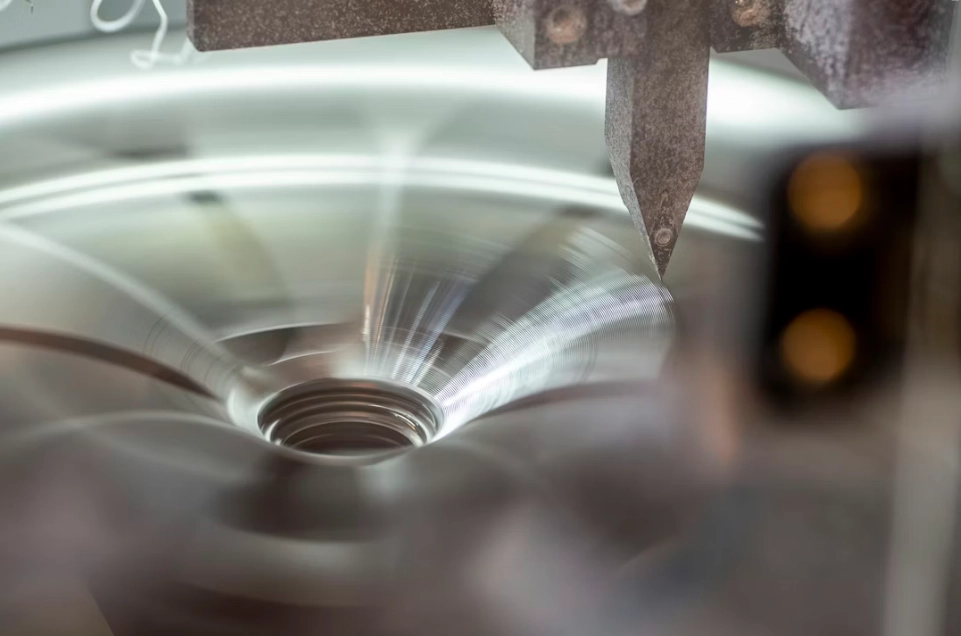
Every finishing method leaves its own mark on the surface shape. Things like lapping or honing from mechanical work often create lines in one direction. These lines can trick light-based systems that need even bounce-back. Chemical or electrochemical ways make textures that go every which way. They handle light more smoothly. But they might still leave tiny holes that scatter light. Touch systems can push in on soft stuff like aluminum or plastics while checking. Light systems may get fooled by shiny chrome because of bright spots. So, picking the best tool really depends on the material and how it was finished. In my experience from factory setups, matching them right saves hours of retries.
Calibration Requirements for Different Finishes
Calibration does not fit all when it comes to surface finishing methods. Each kind needs its own sample pieces that copy the real surface traits you plan to check. If the calibration pieces are too different from the test one, errors sneak into every set of data you gather later. Doing calibration often with matching samples keeps things steady over many checks and workers.
Why Does Surface Roughness Play a Critical Role in Precision Evaluation?
Surface roughness links making quality to how well a part works. It sets how two parts rub together under weight, how liquids move over seals, and how paints stick to bases. In the world of measurements, roughness numbers tell what details a tool can grab without fail.
Relationship Between Roughness Parameters and Measurement Resolution
Numbers like Ra for average roughness, Rz for top height, and Sa for area average put clear limits on what a tool can see sharply. Big roughness hides small marks or empty spots in coatings. These could matter a lot in planes or health tools. To pull out good info from junk noise, you often use smart filters in the analysis. For example, in bike parts, a roughness over 1.6 micrometers might mean faster wear, based on tests I’ve seen.
Impact of Roughness on Optical and Tactile Measurements
Light sensors have a hard time with rough or dull surfaces because light bounces all over. This cuts the signal power and adds doubt to results. Stylus tools deal with tip wear, mainly when going over gritty finishes like ground steel again and again. Mix systems that use touch for exactness and light for quickness are getting common. They mix the good parts and cut the bad ones. It’s like using both eyes for better sight—practical and effective.
Roughness as a Functional Indicator in Engineering Applications
In real engineering work, roughness ties straight to how well things perform, like how much they slide, how long they last before wearing out, and how strong bonds hold. Getting the measure spot on lets you guess a part’s life with more trust. Steps like light polishing before adding a coat help get the same results batch after batch. One time, in a tool shop, we fixed a roughness issue and doubled the part’s run time—simple fix, big win.
How Do Material Properties Interact With Finishing Methods During Measurement?
How a material acts during finishing shapes how you read measurements after. Things like how hard it is, how bendy, how it reflects light, and how it holds up to heat all tweak what probes or sensors pick up. Experts have to think about these small changes in their checks.
Influence of Material Hardness and Elasticity on Measurement Outcomes
Hard stuff holds up against stylus touch. This makes touch measurements repeat well. But soft rubber-like materials bounce back after the probe hits. That gives roughness reads that look too small. You can tweak the push force to cut these odd effects. This way, you avoid harm to the piece.
Reflectivity and Transparency Effects on Optical Measurements
Shiny metals such as nickel or chrome can overload light catchers if you do not set the brightness right. Clear stuff like glass needs fixes for how light bends inside to get true height info. Light curves in the material before coming back to the tool. Even thin layers can change light paths enough to twist results if you ignore them. In glass making, we’ve adjusted for this to keep reads within 0.5 micrometers.
Thermal and Chemical Stability Under Finishing Conditions
Finishing makes heat in spots that can change a material’s tiny structure on top—think steels where color shifts show heat levels. Left-over chemicals from etch baths could mix with probes or lenses over time. This hurts accuracy. Keeping the material steady before checks gives better data sets you can count on.
What Role Do Environmental Factors Play in Surface Measurement Precision?
Keeping the surroundings in check matters a lot for steady measurement results, though people often overlook it. Just a bit of temperature change can shift size reads by tiny amounts over quick times.
Temperature Control During Measurement Operations
Heat spread changes surface shape even on small scales. Metals grow quicker than pottery or mixed materials in the same setup. Steady rooms keep both tools and samples from shifting. This makes size changes too small to notice in long checks. Some top tools use fix math that spots and corrects heat shifts right as they happen. In hot shops, we’ve seen drifts up to 2 micrometers without control—easy to fix with basics.
Influence of Vibration and External Disturbances on Data Quality
Shakes from close machines add junk to fine measurements. This hits hard on tools like interferometers or atomic force microscopes that feel shifts as small as billionths of a meter. Steady tables soak up shakes. Averaging several scans cuts out leftover wiggles from normal moves around.
Humidity and Contamination Effects on Surface Analysis Accuracy
Moist air makes thin water layers that change how probes touch surfaces in touch checks. Dust bits throw laser paths off in light setups. This makes fake high points in the data. Working in clean rooms cuts these problems. It also helps tools last longer by keeping dirt away. High humidity once threw off a whole batch of reads in our lab—lesson learned.
How Can Advanced Finishing Technologies Enhance Measurement Consistency?
New finishing techs do not just aim for good looks. They also make surfaces that tools can check steadily, no matter the tool or person doing it.
Application of Superfinishing and Polishing Techniques
Superfinishing clears out tiny bumps left from grinding. It makes smooth shapes great for light wave checks. Polished spots send back light evenly. This gives steady shift reads in light analysis. Even finishes cut changes in checks done the same way over and over. For precision gears, this means reads within 0.1 micrometers every time.
Integration of Laser-Based Finishing Methods
Laser texturing lets you control small patterns exactly without touching the work. It skips bend risks from rub methods. The even results help map shapes well, even on big tricky forms like fan blades or mold shapes for plastic making.
Role of Additive Manufacturing Post-Finishing Processes
Building up parts layer by layer leaves ridge lines. You need after steps like cutting or smooth chemicals to get surfaces good for measures. Mix ways join rub flow with laser shine to boost looks and size truth at once. In 3D printing shops, this combo has cut waste by 20% from better checks.
Why Is Standardization Essential in Evaluating Surface Finishes for Precision Measurement?
No standards mean you cannot match results between places easily. Ideas of rough or smooth differ a lot across jobs.
Importance of International Standards in Data Comparability
Rules like ISO 25178 set ways to describe 3D surfaces. This keeps results matchable around the world, no matter the tool make or worker skill. Following them builds trust for makers who need steady quality checks. It’s like a common rulebook—everyone on the same page.
Calibration Artifacts as Reference Tools for Verification
Checked artifacts serve as sure points to trace back. They keep tools accurate over long times between tune-ups. Pick an artifact that fits the finish close. A shine block won’t check a tool for bumpy iron well.
Harmonization Between Industry Practices and Metrology Guidelines
When making limits match set measure rules, running the process gets easier. Everyone uses the same words for okay changes and report styles in chains of supply.
How Do Emerging Digital Techniques Refine Surface Finish Evaluation?
Going digital changes how you gather and make sense of surface info. It blends computer models with quick feedback in making setups.
Role of 3D Metrology Software in Data Interpretation
New 3D programs build tricky shapes from thick point groups from scanners or light wave tools in seconds. No more hours of hand work. Auto spotters for flaws mark odd spots the same way each time. Learning machines link finish numbers to long-run results like how well it fights tiredness or seals tight. In auto plants, this software caught defects early, saving thousands.
Integration of Non-Contact Scanning Systems
White-light interferometry grabs shifts as small as billionths without touching soft surfaces that scratch easy from stylus. Depth-focused microscopes give layer images good for see-through coats. Pattern-light scanners speed up big area checks while holding tight to under-micron needs for plane parts. These tools make daily checks faster without losing detail.
Digital Twins for Predictive Quality Control
Digital twins act out full finishing steps on computers before real work starts. You can fix off spots early, not after waste builds from fixes later. It cuts time and stuff thrown out. Imagine planning a whole run without surprises—game-changer for busy lines.
FAQ
Q1: What is the main link between surface texture and measurement accuracy?
A: Variations in texture affect how instruments detect true topography because scattering distorts both optical reflections and tactile probe responses.
Q2: Why do different materials need unique calibration standards?
A: Each material’s hardness and reflectivity change sensor behavior; calibration artifacts must mimic those properties closely to avoid systematic bias.
Q3: How does temperature impact precision measurements?
A: Even slight thermal expansion modifies micro-scale geometry; controlled environments prevent drift during extended scanning sessions.
Q4: What advantages do laser-based finishing methods offer?
A: They provide non-contact processing with precise morphological control while avoiding deformation risks typical in mechanical abrasion techniques.
Q5: Why are international standards crucial for comparing results?
A: Standards like ISO 25178 unify terminology and parameter definitions globally so laboratories can compare measurements reliably regardless of equipment differences.