

Is Cutting Wheel Demand Redefining Industrial Manufacturing Growth
Cutting Wheel Market Expands as Industrial Manufacturing and Infrastructure Maintenance Accelerate
The cutting wheel market is growing fast, driven by industrial expansion, infrastructure renewal, and the adoption of high-speed precision tools. As manufacturers face tighter tolerances and tougher materials, cutting wheels have become essential for achieving both precision and efficiency. The sector’s evolution now intertwines with automation, smart manufacturing, and sustainability efforts, shaping how industries cut, grind, and finish materials. This transformation is not just about tool performance—it reflects broader shifts in global manufacturing strategy toward durability, cost control, and environmental responsibility.
The Expanding Role of Cutting Wheels in Modern Industrial Manufacturing
Cutting wheels are no longer simple consumables but strategic components in advanced production systems. Their role extends across metal fabrication, automotive assembly, aerospace machining, and heavy equipment manufacturing.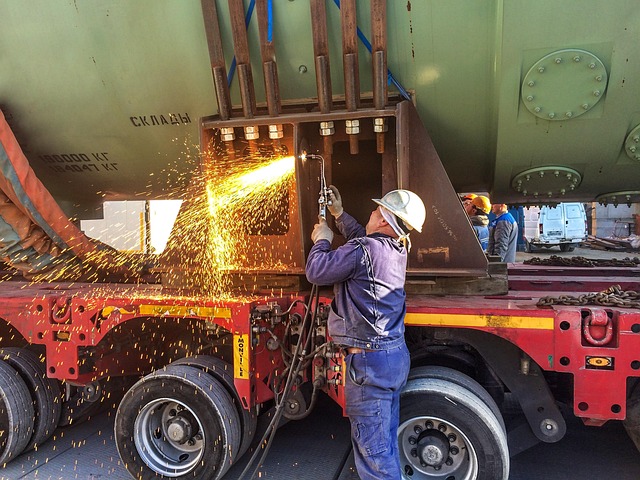
Shifting Dynamics in Industrial Material Processing
The complexity of modern materials—from hardened steels to composite alloys—has intensified the demand for advanced cutting solutions. Cutting wheels enable precise shaping and finishing under high loads while maintaining dimensional accuracy. In aerospace applications, for instance, they help achieve tight tolerances on turbine blades where surface integrity directly affects engine performance. Durability also matters: manufacturers increasingly choose formulations that balance cost-efficiency with long service life to minimize downtime.
How Cutting Wheel Technology Enhances Manufacturing Productivity
Technological upgrades have reshaped productivity metrics in machining environments. High-performance abrasive compositions allow faster material removal without compromising surface quality. Enhanced heat dissipation technologies prevent thermal deformation during prolonged operations, extending tool life while maintaining consistent cutting depth. Furthermore, integration with automated systems—robotic arms or CNC stations—enables repeatable precision and real-time process control that manual setups cannot match.
Market Forces Driving Cutting Wheel Demand
Global economic recovery and infrastructure modernization projects continue to fuel the demand for cutting wheels across regions. These factors combine with technological advances that make newer wheel types indispensable for high-throughput industrial processes.
Industrial Expansion and Infrastructure Modernization
Infrastructure renewal programs—from bridge repairs to energy facility upgrades—require extensive use of cutting tools for steel reinforcement trimming and pipe sectioning. Emerging markets in Asia and Africa are upgrading production lines to meet export standards, accelerating consumption of industrial abrasives. Key sectors such as energy generation, transportation equipment, and heavy machinery remain major end-users shaping overall market growth patterns.
Technological Advancements Stimulating Market Growth
Manufacturers adopting high-speed precision equipment need compatible high-performance cutting wheels capable of maintaining structural stability at elevated RPMs. Hybrid abrasive developments now support multi-material operations—cutting both ferrous metals and composites efficiently within one setup. Meanwhile, digital monitoring systems embedded in machines help track wear rates and schedule predictive maintenance cycles that reduce unexpected stoppages.
Material Innovations Transforming Cutting Wheel Design
The design philosophy behind cutting wheels has shifted from basic hardness optimization to complex material engineering aimed at multi-parameter performance balancing.
Evolution of Abrasive Materials and Bonding Agents
Traditional aluminum oxide abrasives are giving way to advanced ceramics that deliver superior performance on hardened alloys used in aerospace fasteners or automotive crankshafts. Resin-bonded wheels offer flexibility for fine finishing tasks, while vitrified variants excel in rigid grinding operations demanding form stability. Nanostructured abrasives further extend lifespan by distributing stress uniformly across micro-grains, resulting in smoother finishes over long production runs.
Sustainable Manufacturing Practices in Wheel Production
Sustainability has entered the abrasive industry’s agenda through eco-friendly binders that reduce volatile emissions during curing processes. Some producers recycle spent wheels by reclaiming usable grains or reprocessing bonding materials—a practice aligned with circular economy principles promoted by international standards such as ISO 14001. Energy-efficient kilns and optimized curing cycles also lower carbon footprints without compromising mechanical integrity or safety compliance.
Integration of Automation and Smart Manufacturing in Cutting Operations
Automation has transformed how workshops manage precision cutting tasks by improving consistency while reducing operator fatigue. Smart technologies now extend this advantage into predictive maintenance and data analytics domains.
The Role of Automation in Precision Cutting Processes
Robotic cutting systems bring unmatched repeatability to mass production lines where even minor deviations can cause costly rework. Automated tool change mechanisms allow rapid transitions between materials like stainless steel tubes and aluminum panels without manual recalibration. Data-driven optimization further enables uniform wear distribution across wheel surfaces—minimizing waste while stabilizing output quality batch after batch.
Smart Monitoring Systems for Tool Performance Management
Embedded sensors within modern machines continuously monitor temperature fluctuations, vibration levels, and wear conditions during operation. Predictive analytics platforms interpret these signals to forecast replacement intervals accurately—avoiding unplanned downtime that disrupts schedules. When connected through industrial IoT frameworks compliant with IEC 62443 cybersecurity standards, such systems contribute to continuous improvement loops across entire manufacturing networks.
Regional Trends Influencing the Cutting Wheel Industry Landscape
Market growth trajectories differ by region due to varying industrial maturity levels, regulatory frameworks, and raw material access conditions.
Growth Patterns Across Key Geographies
Asia-Pacific leads global demand thanks to rapid industrialization coupled with large-scale infrastructure initiatives like railway expansions and shipbuilding programs. North America prioritizes innovation-driven applications involving high-value alloys used in defense or semiconductor tooling sectors. Europe emphasizes sustainability criteria that affect sourcing decisions—for example preferring low-emission production routes under EU Green Deal directives.
Supply Chain Dynamics and Trade Considerations
Volatility in raw material supply chains—from bauxite shortages to resin price spikes—creates regional pricing disparities affecting procurement strategies. To mitigate disruptions caused by trade uncertainties or logistics bottlenecks, many producers adopt localization models emphasizing domestic sourcing partnerships. Strategic collaborations between manufacturers and distributors further strengthen regional presence through shared warehousing or co-branded service centers.
Future Outlook for the Cutting Wheel Sector within Industrial Manufacturing Growth Models
The next decade will likely see deeper integration between traditional machining practices and emerging digital manufacturing ecosystems where adaptability defines competitiveness.
Emerging Opportunities from Advanced Manufacturing Technologies
Additive manufacturing’s rise opens hybrid machining possibilities where printed components undergo post-processing via specialized cutting wheels tailored for composite-metal interfaces. Custom geometries designed through CAD-CAM software respond to growing demands for application-specific profiles rather than standardized shapes. Collaborative projects between material scientists and tooling engineers accelerate innovation cycles leading to new product categories altogether.
Long-Term Growth Drivers Shaping Market Evolution
Sustained investment in R&D remains essential for differentiation amid intensifying competition among global producers. Environmental mandates push development toward recyclable wheel cores or reusable segments consistent with ISO lifecycle assessment protocols. Expanding into niche areas such as renewable energy equipment fabrication—wind turbine shafts or solar frame supports—broadens both technological scope and revenue potential beyond conventional metalworking domains.
FAQ
Q1: What factors currently drive the global cutting wheel market?
A: Industrial expansion, infrastructure modernization projects, and technological advancements collectively drive steady demand growth worldwide.
Q2: How does automation impact cutting wheel usage?
A: Automation enhances consistency by integrating robotic handling systems that maintain precise alignment throughout continuous production cycles.
Q3: Which materials dominate modern cutting wheel design?
A: Advanced ceramics combined with resin or vitrified bonds dominate due to their durability on hard alloys used across aerospace and automotive sectors.
Q4: What sustainability measures are emerging among manufacturers?
A: Producers increasingly adopt eco-friendly binders, recycling initiatives for spent wheels, and energy-efficient curing methods aligned with environmental standards.
Q5: Which regions show the strongest growth potential?
A: Asia-Pacific shows the fastest expansion due to rapid industrialization while North America focuses on high-tech applications demanding premium-grade tools.