
Metal 3D Printing vs CNC Which Delivers Greater Precision and Flexibility
What Defines Precision in Metal 3D Printing and CNC Machining?
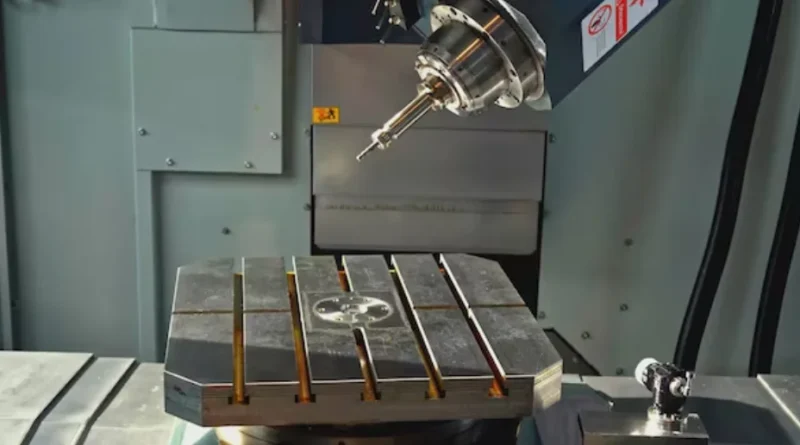
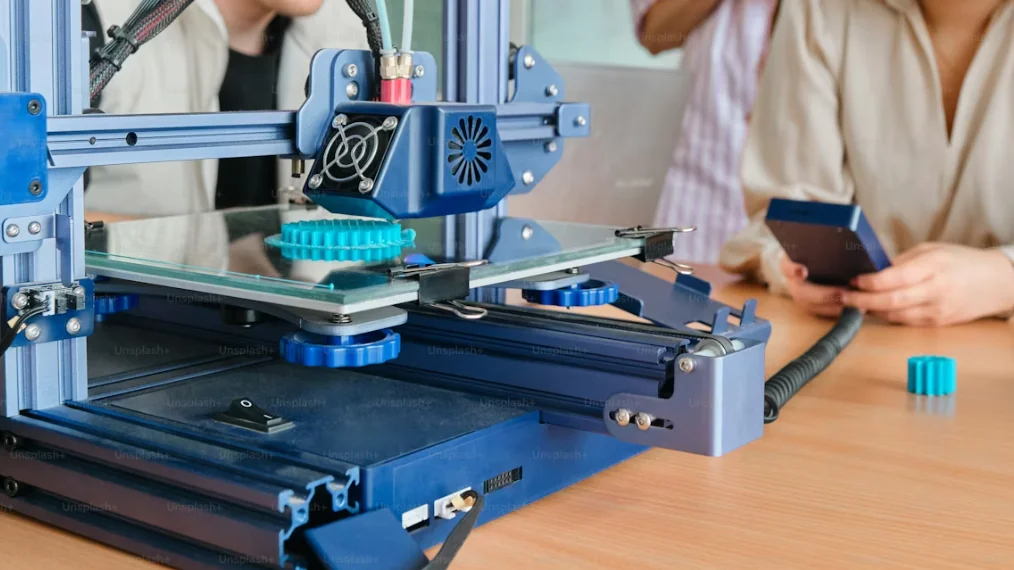
Precision stands as the key measure of quality in manufacturing. When you look at metal 3D printing vs CNC, both methods aim for accuracy. But they reach it in quite different ways. Picture CNC machining like a carver who chips away material until the shape appears just right. Metal 3D printing, by comparison, adds material in thin layers, starting from empty space.
Dimensional Accuracy and Tolerance Capabilities
CNC machining earns praise for its strong performance in dimensional accuracy. As a subtractive process, it follows exact tool paths for every cut. This lets it hit tolerances as tight as a few microns. Such fine control suits parts like aerospace turbine blades or orthopedic implants. In those cases, even a tiny shift of a millimeter can cause big problems. Metal 3D printing’s accuracy relies on careful setup, sharp laser focus, and even layer thickness. Small changes in how powder spreads can shift the final size a bit. Still, after-print steps—especially CNC finishing—can sharpen those parts to meet tough tolerance needs. Lots of makers now mix the two in their routines. They print a rough shape first. Then they use CNC milling to get that micron-level match. Think of a real example: in aircraft parts, this combo ensures everything fits without gaps, saving time and headaches down the line.
Surface Finish and Geometric Integrity
Surface finish often sets these two methods apart. CNC machining creates even surfaces right from the tool’s work. The cutting action removes material in steady lines, leaving little roughness behind. Metal 3D printing stacks layers one on top of the other. This leaves a bit of a bumpy feel that usually calls for extra polishing or machining. The wild shapes it allows—like hidden channels or open lattice designs—might twist slightly from heat changes during the build. These twists get fixed with heat treatments and surface work. In practice, I’ve seen engine parts from printing that look great inside but need a quick sand to shine on the outside. It’s not perfect out of the machine, but that’s okay for many jobs.
Material Stability and Structural Consistency
CNC machining begins with solid blocks of uniform material. So the finished pieces keep steady strength all through. Metal 3D printing brings its own hurdles. Quick heating and cooling can build up stresses inside or form grains that point in one direction. This affects how strong the part feels. Heat treatments ease those stresses. Hot isostatic pressing (HIP) boosts density and evenness in the printed items. For tough fields like aerospace or energy, this extra step matches the trust you get from CNC. Take rocket components: without HIP, a printed nozzle might crack under pressure, but with it, it holds up just like a machined one.
How Does Each Technology Deliver Flexibility in Design and Production?
Flexibility shows how much you can stretch design ideas without messing up the making process. Both metal 3D printing and CNC machining offer their own perks here. One gives room for bold ideas. The other sticks to reliable repeats.
Design Freedom and Complexity Handling
Metal 3D printing really stands out with tricky shapes. It lets you make inside cooling paths in turbine blades or light lattice frames for car parts. These are shapes you couldn’t cut with regular tools. CNC machining does well with clean edges or flat spots that line up perfectly. Mixing the two lets you print the hard parts first. Then machine the key spots like threads or joins. This way, you keep the fun of wild designs but still get exact fits. For instance, in bike frames, printing the curvy bits and milling the bolt holes creates something light yet strong—better than either alone.
Production Adaptability and Customization Potential
Additive manufacturing skips the need for molds. This makes it great for quick test models or small runs of custom items. Change the design file in the evening, and you print by morning—no extra costs for new tools. CNC machining works better for medium batches where the shape stays the same. There, getting the same size every time matters a lot. Hybrid setups link these well. Test pieces can turn into full runs with little wait between printing and cutting. It’s like having a toolbox that switches tools on the fly, which keeps things moving in busy shops.
Material Versatility Across Applications
CNC machining handles almost any metal you can cut. That includes aluminum mixes for gadget cases or titanium for body implants. Metal 3D printing’s choice of powders keeps growing. You find special ones like Inconel for hot spots or maraging steel for tool dies. Picking the right material touches on strength, price per piece, and even green factors like reusing powder instead of scrap from cuts. In my view, titanium waste from CNC can add up fast, but printing uses less, which helps budgets in medical work.
Which Method Offers Greater Efficiency in Production Workflow?
Efficiency covers more than just quickness. It looks at how well steps connect—from start to end—and how little hands-on work you need.
Setup Time and Process Automation
CNC setups call for holders, program paths, checks, and often flipping the piece more than once. It takes time up front. But once it runs, you get steady output. Metal 3D printing cuts setup short since no tools touch the part. Yet, you must run good tests before printing to avoid mid-job fails. Machines now use robots to move pieces and sensors to watch heat during long runs. This automation smooths things out, especially in factories that run 24 hours.
Build Speed and Throughput Considerations
Additive methods can make several parts at once in the build area. That’s a win for groups of small items with like shapes. CNC keeps a steady pace for parts you make over and over. But it might drag on hard multi-angle jobs that need many setups. Pick based on what you value: if quick rough shapes beat perfect surfaces at first, go additive. For steady exactness that pays off in costs, CNC takes the lead. Real talk: for 50 drone frames a week, printing batches saves hours over single CNC runs.
Post-Processing Requirements and Workflow Integration
Both ways need after-work like pulling supports, heating, shining, or coating. Smart linking of steps cuts wait times between printing and cutting. Now, computer systems track from powder prep to last checks. This keeps records clear in mixed setups. It’s handy for quality control, catching issues early before they waste material.
How Do Costs Compare Between Metal 3D Printing and CNC Machining?
Cost checks go past the machine’s price. They cover materials spent or tossed, power used, worker skills needed, and upkeep over many years.
Equipment Investment and Maintenance Costs
CNC machines cost a lot at first. But they last long with good care—often 20 years or more with tune-ups. Metal 3D printers ask for big starting cash because of their laser setups and clean powder rooms to avoid dirt. Upkeep changes with how hard you push them. Powder parts need cleanouts often. CNC tools want oil checks on schedule. In small shops, a basic CNC might pay back in two years, while printers shine for specialty jobs.
Material Utilization Efficiency and Waste Reduction
Old-school cutting takes chunks from big blocks. It’s good for shape but throws away a lot unless you recycle the bits. Additive puts material just where it goes. This cuts waste big time, key for pricey metals like titanium or cobalt-chrome. Smart placement in the build space boosts value per group made. For example, printing 10 valve bodies uses 30% less metal than machining them one by one—real savings on the shop floor.
Operational Costs Including Labor and Energy Consumption
Both need trained folks, but machines do more on their own now. Power use runs higher in metal 3D printing from steady lasers and heat control in closed boxes. A full cost look helps pick for your size: custom small jobs like one-off tools fit additive well. For big runs, CNC drops the price per piece after setup costs spread out. Energy bills can surprise—printing a batch might use as much juice as running a CNC for days.
What Are the Limitations of Each Manufacturing Approach?
No method works without flaws. Spotting weak spots helps pick the right one for your task—or see if blending them fits better.
Geometric Constraints in Subtractive Processes
CNC tools must reach spots to cut. Inside holes or hanging shapes often mean extra angles or custom tools that hike costs. Five-axis machines help by turning parts as they cut. But they make planning tougher, not every place can do it well. It’s like trying to carve a hollow statue—sometimes you end up with cracks if access hides.
Mechanical Property Variations in Additive Manufacturing
Layer joins can make parts stronger one way than another, based on build angle and heat flows. After-treats like heating or HIP cut these gaps. But they add days to the wait. In high-stress uses, like tool bits, this means testing directions to avoid weak spots.
Scalability Challenges Across Both Technologies
For runs over a thousand pieces a month, CNC feels easier with its repeat tricks once holders are set. Additive stays slower per item, even with custom perks. Makers balance this on order flows. Big auto plants stick to CNC for fenders, but startups print custom grips in lots of 100.
Can Hybrid Manufacturing Combine Their Strengths Effectively?
Hybrid making blends additive flair with subtractive sharpness in one flow. This idea picks up speed in key fields that want bend and grip.
Integration of Additive Builds With Subtractive Finishing
New hybrid machines add metal layers on bases. Then they flip to cutting mode without moving the part by hand. This skips line-up mistakes and saves setup. Great for engine shells or mold parts that need inside tricks and outside gleam. In a shop I know, they cut production time by half on valve covers this way—smooth and efficient.
Process Optimization Through Digital Workflow Management
Top CAD/CAM tools match print paths to cut plans. So shifts happen easy under one computer watch. This cuts repeat work and tracks every bit from design to check. It’s like a digital boss keeping the line straight, which helps in audits.
Industrial Applications Benefiting From Hybrid Manufacturing
Aerospace casings drop weight but keep toughness with hybrids. Medical implants mix printed rough spots for bone hold with cut joins for smooth moves. Tool makers add inside cooling paths then mill flat seals. These are true cases showing the mix beats single paths. Plus, in racing, hybrid turbo parts handle heat better without extra bulk.
How Should Manufacturers Choose Between These Technologies?
Picking between metal 3d printing vs cnc hinges on the item, speed needs, and how steady quality stays over runs.
Evaluation Based on Application Requirements
Start with shape hardness: wild inside bits point to additive. Tight sizes or glass-like shines push for CNC ends—or both in a tied setup fit to job wants, not just habit. For drone arms, print the hollows, mill the mounts—gets you light and true.
Consideration of Production Volume and Lead Time Objectives
For few custom lots, like patient tools, metal 3D printing brings speed without mold waits of old ways. Standard car bits gain from CNC lines that pump hundreds daily in spec. Lead times drop to days for prints, weeks for big CNC setups.
Strategic Implementation of Hybrid Solutions for Competitive Advantage
Sharp makers drop the fight view. They weave the techs so each handles its best: additive shapes cheap tricks, subtractive nails sizes at volume. This gives wins hard to get alone. In today’s push, that mix builds edge for lasting wins. It’s not always easy, but shops that try often see orders grow.
FAQ
Q1: What factors most influence precision differences between metal 3D printing vs CNC?
A: Setup sharpness hits additive results hard. Tool strength rules subtractive steadiness. Together, they shape the final size match for the part’s use and fit.
Q2: Which process yields smoother surfaces naturally?
A: CNC machining gives even finishes right from the cut. It clears flaws in steady passes. Printed layers always need extra shine work to match that feel.
Q3: Can metal 3D printed parts replace machined ones entirely?
A: Not for every job yet. Some spots work well, like light tricky shapes over pure smooth. Hybrid flows close the left gaps step by step.
Q4: Why do energy costs differ significantly between methods?
A: Laser melting uses steady power to hold melt spots through the build. Cutting pulls power in bursts linked to spin force. That’s why the use gap shows in daily runs.
Q5: Is hybrid manufacturing suitable small businesses too?
A: Yes. New small setups make it simple to start. They give both modes in one space. This lets you test ideas and make short runs without extra room or cash.