
What Are the Main Types of CNC Milling Machine in Modern Machining
What Defines a CNC Milling Machine in Modern Machining?
A CNC milling machine stands as a key tool in today’s manufacturing world. It mixes accuracy, automatic operation, and adaptability to create detailed parts for fields like aerospace, automotive, and energy. The real worth comes from turning digital plans into real objects with little human help. Plus, it keeps close tolerances. Think about how this helps in everyday factory work—it’s like having a reliable partner that doesn’t tire out.
Core Structure and Working Principles
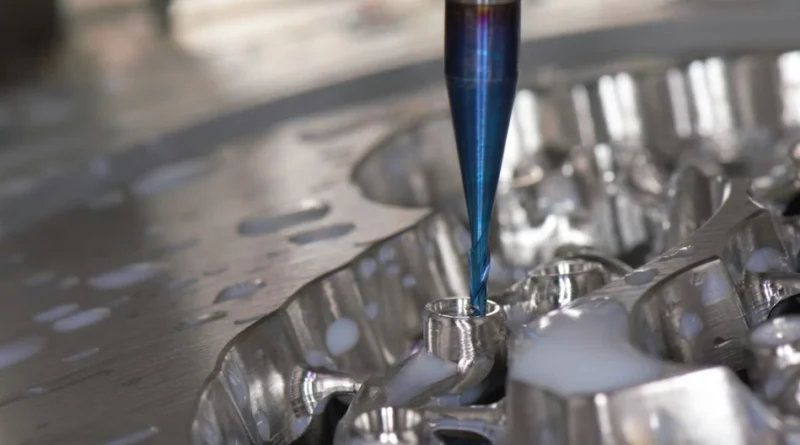
CNC milling machines work through computer numerical control. This control directs each move of the cutting tool. They depend on set toolpaths. These paths lead the spindle and table along several axes—usually X, Y, and Z. The goal is to cut away material from a workpiece. Key parts include the spindle, which grips the cutting tool. There’s also the worktable, where you secure the material. And don’t forget the control unit. It reads G-code instructions. All these pieces work together. They let you make detailed shapes with steady accuracy. The frame’s strength and the motion system’s steadiness matter a lot. They help keep things precise during fast work. In a busy shop, this setup prevents wobbles that could ruin a part.
Key Functional Capabilities in Machining Operations
CNC milling handles many tasks. These include contouring, drilling, slotting, tapping, and surface finishing. You can repeat these steps without mistakes. That’s because of the automatic control. Machines with more axes add even more options. They let tools move at the same time across different directions. This is great for parts with tricky outlines or inside spaces. In real use, it cuts down on setup time. You can work on a piece from various angles in one go. Automation boosts size accuracy too. It keeps things uniform in big batches. For example, in car making, this means every engine block comes out just right, saving hours of fixes.
Technological Integration in Modern Systems
Today’s CNC setups blend well with digital tools. Smart control software watches things in real time. It makes changes to feed rates or spindle speeds. This happens based on info from sensors right then. Linking with CAD/CAM platforms smooths the shift from design to making. Engineers test toolpaths on a computer first. This cuts down on errors before starting. Sensors track shakes, heat, and tool wear. They help tools last longer and make work more effective. This mix of parts and programs points to smarter factories. It’s not just tech—it’s about making the whole process feel more natural, like an extension of the worker’s hands.
How Are CNC Milling Machines Classified by Axis Configuration?
Axis setup shows how a CNC milling machine shifts its cutting tools compared to the workpiece. The count of axes sets the part’s detail level. It also affects price, pace, and ease in making things.
Three-Axis CNC Milling Machines
Three-axis machines shift along X for left-right, Y for front-back, and Z for up-down. They fit simple jobs well. Think face milling or drilling flat spots. These units fill most basic shops. That’s due to their fair cost and solid skills. They shine at making box-like forms. But for sides of a part, you need to move it by hand.
Four-Axis CNC Milling Machines
A four-axis machine adds a turn around one axis. People call this the A-axis often. It lets you cut around round surfaces or make twisty cuts. No need to shift things by hand. This boosts speed for jobs like marking shafts or carving spiral lines. It keeps everything lined up as it spins. In practice, this saves a ton of time on round items, like pipe fittings in plumbing setups.
Five-Axis CNC Milling Machines
Five-axis machines mark the top level you can buy. They shift at once along three straight axes and two turn axes, like A and B. This lets you handle very detailed shapes. Examples include turbine blades or plane parts. You do it all in one position. These systems cut down on tool swaps. They shorten run times. And they give better smooth finishes. That’s from keeping the tool aimed right at the piece all the time.
What Are the Main Structural Types of CNC Milling Machines?
The build style of a CNC mill shapes its work traits. These include firmness, reach, and weight handling. Picking vertical, horizontal, or gantry types hinges on part size and how many you make.
Vertical CNC Milling Machines
Vertical mills have spindles straight up from the worktable. This gives clear sight while running. It also makes setting up parts easy. That’s handy for tweaking test pieces or molds. Gravity pulls chips down from the cut area. So, these fit small runs or fine mold work. Operators can get close often. I’ve seen shops use them for custom bike frames, where every curve needs a quick check.
Horizontal CNC Milling Machines
Horizontal mills have spindles level with the floor. Their setup handles big cuts better. Chips drop away from the spot naturally. Many have pallet changers. These let you ready new pieces while one cycle finishes. It’s perfect for big output lines with heavy metal chunks or cast items.
Gantry-Type CNC Milling Machines
Gantry mills use a bridge over two posts. The spindle head moves between them from above. This handles big or weighty workpieces. You see this in ship building or plane tool making. The strong build cuts down on bends under load. It keeps accuracy steady over long jobs. For huge parts, like wind turbine bases, this type just holds up without a hitch.
How Do Machining Centers Differ from Traditional CNC Mills?
Both follow numerical control ideas. But machining centers add extra automatic parts. This makes them much more useful than old-style mills from years back.
Integration of Automatic Tool Changers (ATC)
Machining centers have automatic tool changers. They swap tools during a run without people stepping in. This cuts wait time a lot. Say you drill then outline in one program. It’s key for parts with many steps. Timing stays precise there.
Enhanced Control Systems and Feedback Mechanisms
New machining centers use strong numerical controllers. They match moves across axes within tiny limits, like microns. Feedback loops watch in real time. They tweak settings based on sensor reads, such as force or heat shifts in cuts. This keeps sizes true even when things change. It’s like the machine senses trouble and fixes it on the fly.
Expanded Functionality Through Auxiliary Features
Extra systems help too. These include coolant sprayers, chip movers, probes for size checks, and links to IoT. They turn machining centers into full auto setups. You can run them without lights on, day or night, with little watch.
Which Specialized Types of CNC Milling Machines Are Used Today?
Besides regular builds, special designs fit certain factory needs. Here, strength or space saving beats all-around use.
Bridge-Type Machining Centers
Bridge-type units mix high firmness with big work areas. They suit heavy molds or frame parts. You cover wide surfaces without moving big items by hand. In mold shops, this means fewer errors on large dies for car doors.
Bed-Type CNC Mills
Bed-type mills keep tables still. Spindles slide up and down tracks above. This gives great backing against shakes in rough cuts on tough metals. It’s common in die-making for hard stuff. The steady base really pays off when you’re chewing through steel all day.
Turret-Type CNC Mills
Turret mills have turning heads with several tools at once. You switch cutters fast. That’s a big plus for small parts needing quick changes. It fits shops doing custom work in short runs. No long waits between tools—keeps the flow going.
How Does Automation Influence Modern CNC Milling Machine Design?
Automation ties right into how we build machines now. It hits steady output and safe work rules that factories worldwide need.
Integration of Robotic Loading Systems
Robots take over repeat jobs now. They load raw blocks on tables or pull done parts to bins. This drops hand work time. It also keeps evenness in big batches that run round the clock with little oversight. Picture a factory where robots never complain about the night shift.
Use of Real-Time Monitoring Technologies
Sensors built in grab data all the time. They note spindle speed changes or shake patterns that hint at problems. Fix-it plans then set service ahead of breaks. This beats waiting for things to fail. It saves money on stoppages later. In one plant I recall, this caught a loose belt early, avoiding a full shutdown.
Implementation of Hybrid Manufacturing Concepts
Hybrid setups join adding material, like 3D printing metal, with usual cutting. This lets you fix costly plane parts quick. No full swap needed. It fits Industry 4.0 aims for less waste and more reuse. For small teams, it’s a game-changer in keeping old tools flying longer.
Why Is Choosing the Right Type of CNC Milling Machine Critical?
Picking from cnc milling machine types means matching specs to your goals. Wrong choice brings waste or lost money over years. It’s not just buying—it’s planning for the long haul.
Matching Machine Capabilities to Production Requirements
Right pick starts with checking shape details, material toughness, needed closeness, and batch size. A good match shortens each run. It hits surface standards steady without extra costs down the road. For a shop making 500 widgets a month, a simple three-axis might do, but scale up and you need more axes to keep up.
Evaluating Cost Efficiency Over the Machine Lifecycle
Real cost looks past the sticker price. Factor in power use per hour, tool wear speed, upkeep needs, and auto add-ons. All add up to the full payoff over years, not just weeks. Sometimes, a pricier unit pays back in two years through less scrap—worth the upfront hit.
Ensuring Compatibility With Future Manufacturing Trends
Units that take easy updates stay useful as tech grows fast. They fit into smart factories with linked data flows. Cloud tools boost tracking and trust into years ahead. This keeps your setup ahead, ready for whatever comes next in the shop world.
FAQ
Q1: What distinguishes a cnc milling machine from other cnc equipment?
A: A cnc milling machine cuts material with spinning cutters guided by set points on many axes. Other cnc gear, like lathes, spins the workpiece mainly for turning, not milling.
Q2: Why are five-axis machines preferred in aerospace industries?
A: They handle detailed air shapes that need steady curves around bends. No extra setups mean less time and tight fits vital for safe flights.
Q3: How does CAD/CAM integration improve productivity?
A: CAD/CAM links design to making smoothly. Engineers pull in 3D files straight. Software makes exact tool paths on its own. This drops hand coding time and cuts mistakes. CAM lets you run fake tests to spot clashes or extra material use before starting for real. The flow speeds up delivery. It trims waste and matches the end piece to the start design closely. It’s a must in worldwide making now. In my experience from factory visits, teams cut prep from days to hours this way.
Q4: What benefits do robotic loading systems bring?
A: Robotic loading turns CNC work into smooth auto zones. Key gains include:
- Steady Output: They allow dark runs where machines go without watchers on nights or off days. This boosts daily totals without extra staff.
- Even Results: Robots skip hand differences. Every piece sits exact, dropping bad parts. In auto lines, this keeps defect rates under 1% easily.
- Better Safety and Worker Use: Auto heavy lifts and repeats free skilled folks for tough jobs like setup or checks. It cuts hurts at work a lot. This setup forms the base for big fields like cars and gadgets.
Q5: Are hybrid cnc machines practical for small manufacturers?
A: Yes, hybrid CNC machines that mix 3D printing and milling work well for small or mid-sized shops. For teams fixing, testing, or making special high-end parts, one unit cuts the need for several costly ones. It saves room and startup cash. Upfront cost runs higher than a basic mill. But building up then cutting precise on the same spot opens doors to tough jobs in planes or health tools that small outfits couldn’t touch before. It’s a smart buy for flexibility and staying ready for changes. Take a prototype shop—I know one that fixed a jet part in half the time, turning a loss into profit.