
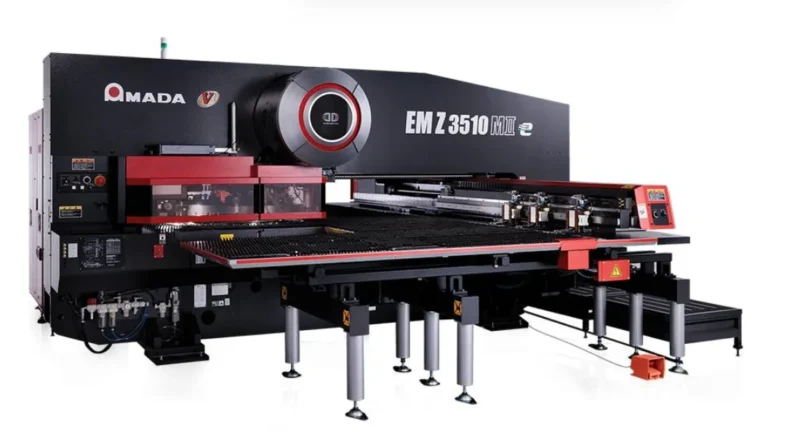
Why Amada Punching Machine Maintenance Extends Die Life Significantly
What Is Galling and Why It Occurs?
In precision sheet metal fabrication, galling stands as one of those nagging problems that can sneak up and spoil a whole production batch if you don’t handle it well. When you run an Amada punching machine, you face fast contact between the punch and the sheet metal. Friction and pressure team up to make heat. This mix sets the stage for galling. It’s a type of sticky wear where small pieces of the metal stick to the punch or die. Over time, this sticking alters the tool’s shape. It harms cut quality and boosts resistance with each punch.
Galling shows up most in soft metals like stainless steel and aluminum. These materials cling under force because their surfaces bend without much fight. Once sticking starts, every next hit makes it worse. You end up with clear marks or metal bits on the punch. The issue goes beyond looks. It cuts tool life short and messes with part precision. Think about it – in a busy shop, one bad tool can throw off dozens of pieces before you notice.
Consequences of Galling on Tool Performance
When galling takes hold, problems pop up right away. Edges lose their sharp look. Burrs get bigger and rougher. Parts might not pass size checks. The punch and die wear out faster. This leads to shorter tool life and higher repair bills. You could see uneven hole sizes or off-center cuts from lopsided gaps caused by stuck material.
In bad cases, you stop the machine often to clean or sharpen tools. For folks running big jobs on an Amada turret punch press, this cuts output and raises costs. Ignoring the first hints of galling can spark a loop of fixes and new tools. I’ve seen shops lose a full day just chasing these glitches, and it’s frustrating every time.
Key Setup Factors Affecting Galling on Amada Punching Machines
Before jumping to fancy fixes, nail the simple steps. Galling control begins with good setup. That covers picking materials to checking alignments. Even tiny errors here grow big during real work. Get it right from the start, and you’ll save headaches later.
Material Selection and Surface Conditions
Some metals invite galling more than others. Softer types like aluminum or some stainless steel grades stick fast under load. Pick materials with tough outer layers or sheets treated ahead of time. This cuts down on rubbing between parts.
The sheet’s surface counts a lot too. A wiped-clean sheet without oil spots or dirt moves better against tools. Add the right lubricants or anti-stick layers. They limit direct metal touch and lower sticking chances. For example, in a run of 500 aluminum panels, a quick wipe before loading can prevent the first signs of buildup.
Punch and Die Alignment Precision
Alignment acts as a hidden player in how fast galling builds. If the punch sits off-center in the die, it pushes uneven force on one side. This extra push speeds up wear and heat.
Check the turret often to keep alignment sharp on Amada machines. A small shift in how the turret turns can change gaps and harm tools early. Operators tell me that a daily alignment check, even if it takes 10 minutes, pays off in weeks of smooth runs.
Clearance Optimization Between Punch and Die
Clearance means the gap between punch edge and die side on each hit. If it’s too small, rubbing goes wild. If too big, rough edges spike. For every sheet thickness and metal toughness, there’s a sweet spot gap. It keeps cuts neat and skips high pressure.
Amada offers clear guides on gaps for various metals. Stick to them, and you’ll get steady work plus longer tool use. Say you’re punching 2mm stainless – a 10% clearance often works best, based on what shops report.
Advanced Techniques for Preventing Galling in Amada Setups
With a solid base setup, try extra steps like coatings, smoothing, and oils to fight galling harder. These shine in busy shops where time is money. They add layers of protection without much fuss.
Application of Coatings and Surface Treatments
Types of Coatings for Anti-Galling Protection
Coatings on tools fight sticky wear well:
- Titanium Nitride (TiN) boosts surface toughness and cuts sticking pull.
- Titanium Carbonitride (TiCN) gives better slip, great for stainless steel jobs.
- Diamond-Like Carbon (DLC) delivers top wear fight, perfect for quick punch cycles on Amada machines.
Pick each based on your mix of jobs. Use TiN for everyday tasks. Go TiCN for hard metals. Choose DLC when you need tools to last through thousands of hits. In one case, a factory switched to DLC and saw tool life jump from 20,000 to 50,000 punches – real numbers from the floor.
Benefits of Surface Polishing on Punches and Dies
Without coatings, just smoothing tools helps a bunch. Even surfaces cut tiny rub spots where heat piles up quick. A polished punch stops small bits from digging in during work. It keeps things cleaner between cleanups.
Polishing isn’t hard, but it makes a difference. Tools stay sharp longer, and you notice fewer stops. It’s like giving your punches a fresh start every few runs.
Proper Lubrication Practices in Amada Machines
Selecting the Right Lubricant Type
Oiling ranks as an easy win against galling. Pick clear oils made for metal sheets so they won’t mess up later finishes. But don’t overdo it. Too much draws dirt or bugs the machine’s sensors in CNC turrets.
Right choice matters. A light spray can handle 1,000 sheets without buildup, while heavy stuff might clog things by sheet 200.
Implementing Controlled Lubrication Systems
New Amada punch setups often have auto-oil systems. They give just enough at set times. This keeps oil even on all tools without hand work. It cuts mistakes and holds steady results over shifts.
These systems feel like a smart helper. No more guessing if a tool got enough – it just does, every time.
Machine Parameter Optimization for Galling Prevention
How you set the machine affects stress per cycle. Tweaks here can tame heat and sticking speeds in ways you wouldn’t expect. Small changes add up over a shift.
Adjusting Stroke Speed and Penetration Depth
Fast strokes speed up work but heat up contact spots more. This hits hard with stainless over 1 mm thick. Slow it a bit to drop heat without losing much speed.
Check penetration depth too. Too deep drags the punch extra after the cut. Adjust it to trim wear and keep edges clean. For instance, dialing back depth by 0.5 mm on aluminum runs often clears up early sticking.
Monitoring Tool Temperature During Operation
Watching heat got simpler with built-in sensors on many new Amada units. Stay under safe heat levels to stop tiny welds that start galling. Live info lets you act fast before marks show. It saves time and tool money on long jobs.
One shop I know of added temp checks and cut galling stops by half. It’s a simple add that pays quick.
Maintenance Strategies to Extend Die Life on Amada Machines
Steady upkeep stands as your best friend against surprise breaks from hidden galling. Plan it out, and dies last longer without drama.
Regular Inspection Schedules for Punches and Dies
Plan checks by how much you produce, not just clock time. Look at punches close, maybe with a magnifier. Early galling looks like flat spots before big sticks. Fix them soon to avoid deep cuts that mean full swaps later.
After 10,000 hits, a quick look can catch issues. It’s better than waiting for a jam.
Cleaning Procedures After Each Production Cycle
At shift end or job switch, clear stuck bits with soft brushes or safe cleaners that fit tool layers. Skip rough pads. They scratch smooth spots and start new sticking points.
Keep the turret zone tidy too. Dust plus old oil speeds up clings over days. A clean setup feels worlds better and runs smoother.
Leveraging Amada-Specific Features for Enhanced Performance
Amada machines pack smart tools built to watch tool health. Use them to stretch die life through clever runs, not extra grind. It’s about working smarter in the shop.
Utilizing Tool Management Systems in Amada CNC Turrets
Tool software logs hit counts auto. You know when each punch got its last check or swap. No more hunches from noise or feel. Facts guide you to skip overwork that wears dies fast.
It also saves setup info per tool code. So results stay the same even with different workers on shifts. Handy for teams juggling machines.
Integration of Smart Sensors for Predictive Maintenance
Built-in sensors on fresh Amada turrets spot odd shakes or load shifts way before big fails. If data strays from normal marks from good runs, warnings call for checks. This swaps emergency halts for planned fixes.
Spot-ahead care stops sudden halts. It grows tool life by fixing small woes before they blow up. Shops using this often brag about fewer surprises and steadier output.
FAQ
Q1: What causes galling most frequently in an Amada punching machine?
A: Galling mainly arises from frictional heat when punching ductile materials like stainless steel or aluminum without adequate lubrication or clearance adjustment.
Q2: How does coating selection affect die longevity?
A: Coatings such as TiN or DLC reduce adhesion between workpiece and tooling surfaces, decreasing wear rate significantly during repetitive operations.
Q3: How often should punches be inspected?
A: Inspections should occur after defined production intervals based on part quantity rather than fixed hours since wear depends heavily on workload intensity.
Q4: Can lubrication alone prevent galling completely?
A: No single method eliminates it entirely; lubrication works best alongside correct alignment, proper clearances, and coated tooling strategies combined together.
Q5: Why is temperature monitoring important during punching?
A: Excessive temperature accelerates adhesion between surfaces leading directly to galling; monitoring allows timely adjustments before permanent damage occurs.