
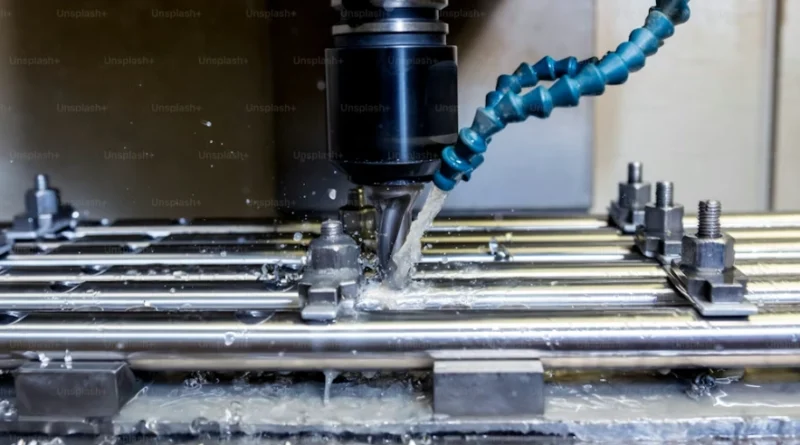
What CNC Tool Types Deliver Superior Precision in Complex Machining
What Defines Superior Precision in CNC Machining?
Precision in CNC machining goes beyond just meeting a number on a blueprint. It involves a good balance between size control, surface quality, and machine steadiness. In fields like aerospace or medical parts, a small error of just a few microns can lead to big problems, like failure in use. The push for top precision starts with how well your tools, machines, and steps fit together in everyday work. I recall a time when a shop dealt with tight parts for airplane engines. They had to watch every detail to avoid costly mistakes. This real-world need drives the whole process.
Dimensional Accuracy and Surface Integrity
Dimensional accuracy means how well a cut part matches its planned sizes. Tight limits, often within ±0.005 mm, come from managing tool wear, spindle wobble, and heat growth. Surface integrity is more than just smoothness. It covers things like hardness at a tiny level and leftover stress that impact how the part works. Tool shape and cutting settings shape the surface up close. This affects how light bounces off it or how coatings stick on later. Steady size control also helps repeat the same results in batches. That matters a lot for tricky shapes, such as turbine blades or injection molds. For example, in mold making, even a slight shift can ruin the final plastic pieces, leading to waste and extra time.
Tool Rigidity and Vibration Control
Tool stiffness has a big part in keeping accuracy during tough cuts. A firmer tool bends less when forces build up. This keeps both size and finish in check. Materials that dampen shakes, like polymer mixes in machine bases or special dampers in spindles, steady things during fast milling. Better tool holders cut down on wobble and boost firm contact between spindle and cutter. That leads right to nicer surface results. In my view, shops that ignore this often face chatter lines on parts, which scrap good material.
Advanced Toolpath Strategies and Simulation
Today’s CNC setups count a lot on smart toolpath plans to hold precision in changing conditions. Flexible toolpaths keep steady contact with the work piece. They cut down quick load shifts that spark chatter or bending. Software for simulations spots tool wear ahead of time. This lets you adjust for likely errors before starting the cut. Sensors give live feedback. They tweak feeds or speeds based on shakes or torque data. And honestly, without this, high-volume jobs would see more rejects, especially in medical device runs where every piece must match perfectly.
Which CNC Tool Types Are Essential for Complex Machining?
Various CNC tool types fit certain jobs based on shape, material, and finish needs. Picking the right one can speed up the work while holding steady tolerances. It’s like choosing the best hammer for a nail—wrong one, and you bang your thumb.
End Mills for Multi-Axis Milling Operations
End mills serve as the main tools in multi-axis machines. They tackle outlining, slotting, pocketing, and edging jobs on 3D shapes. Designs with changing flute numbers help clear chips better. They also lower steady shakes that leave chatter marks. Coatings like TiAlN work well for cutting hard steels at hot temps without edge weakening. In practice, these tools shine in shops handling car parts, where speed and clean cuts save hours.
Ball Nose Cutters for Sculpted Surface Finishing
Ball nose cutters do great where smooth curves matter, such as in molds, dies, or turbine blades. Their round ends touch curved spots gently. This leaves small peaks between passes. Ones with tiny radii suit fine work, like etching details. Carbide versions mix strength with exactness for finishing hard stuff. Think of a die for phone cases—without these, the curves would look rough and uneven.
Insert Tools for Heavy-Duty Material Removal
Tools with inserts lead in rough cutting of strong alloys like Inconel or titanium. Swappable inserts cut downtime. You change just the worn tips, not the whole body. Designs with many edges spread forces evenly. This boosts work during big material take-offs. Coated inserts fight heat in long, heavy jobs. From experience, these save big on tool costs in oil rig part production.
How Does Material Selection Affect CNC Tool Performance?
The material of a tool sets its wear speed, heat tolerance, and max cutting pace. All these play key roles in keeping precision over long jobs. Choosing wrong can turn a smooth run into a headache with early failures.
Carbide Tools for Hard Metal Applications
Carbide tools get picked for their toughness and skill to handle wild heat without getting soft. They keep sharp edges when working stainless steel or nickel alloys at quick paces. This trait gives steady size control in long runs. Other materials might bend or dull too soon. For instance, in engine block machining, carbide holds up where HSS would quit after a few passes.
High-Speed Steel Tools for Versatile Machining Tasks
High-speed steel (HSS) tools bring strength that fits interrupted cuts or all-around work on softer metals like aluminum or brass. They cost less and can get sharpened many times without dropping quality. This helps in small-lot setups. It’s a smart pick for job shops switching materials often, avoiding the high price of carbide for every task.
Ceramic and CBN Tools for Extreme Conditions
Ceramic and cubic boron nitride (CBN) tools handle rough spots where heat tops 1000°C in dry cuts of hard steels. Their low heat stretch cuts size changes from warmth warp. This makes them spot-on for very fine finish passes needing tiny tolerances under one micron. In gear making, these tools deliver mirror finishes without coolants, cutting mess and time.
Why Does Tool Geometry Matter in Achieving Precision?
Shape decides how well a tool takes away material while handling forces on cutter and part. Small tweaks in rake angle or helix setup can change results a lot. It’s not just looks; it’s about real performance under load.
Cutting Edge Design and Rake Angle Optimization
The rake angle guides chip movement and spreads cutting push. Positive rake cuts friction in soft stuff like aluminum. It boosts surface quality. Negative rake gives firmness in high-load hard metal cuts. But it uses a bit more power. Balancing this keeps jobs smooth without extra strain on the machine.
Helix Angle and Flute Configuration Effects
A steeper helix angle aids chip pull-up at fast feeds. It clears better. Changing flute gaps break steady shakes that cause chatter in milling. Right flute number weighs removal speed against surface neatness. Too few mean rough finishes. Too many block chip space. In pocket milling, this choice can double tool life or halve it, depending on the setup.
Corner Radius and Tip Geometry Considerations
Rounded corners spread stress at material entry. They stop tiny cracks that hurt part strength. Sharp corners suit detail work but wear quick in rough spots. Custom tip shapes fit needs like etching letters or deep pockets with low bend. For aerospace fittings, a slight radius prevents failures that could cost thousands in rework.
What Role Do Coatings Play in Enhancing CNC Tool Precision?
Coatings shield cutting edges from tough spots made in fast metal contact. They add layers of protection that keep things running longer and truer.
Heat Resistance Through Advanced Coating Materials
New coatings like TiAlN (Titanium Aluminum Nitride), AlCrN (Aluminum Chromium Nitride), and DLC (Diamond-Like Carbon) take high heat without rust or softening the base. Less rub cuts temp jumps at touch points. This holds sizes steady after hours of work. In long shifts, this means fewer stops and better output.
Surface Lubricity Improvement for Smoother Cutting Action
Low-rub coatings stop edge build-up, a big issue for bad finishes on aluminum. They allow clean shear along the path. Better slip also saves power lost to drag. This keeps things even in long runs where small slips add up. Shops notice cleaner chips and less cleanup time with these.
Wear Resistance Enhancement Under High Load Conditions
Tough coatings guard against rub wear in composites or hard steels under big pressure. Even coating layers give steady action over tool life. No quick drops mid-job. By slowing edge chips, they hold tight limits longer before sharpening. This is key in high-volume lines, where one tool does hundreds of parts.
How Do Cutting Parameters Influence Precision Outcomes?
With the best tool setup, wrong feeds or speeds can wreck precision quick. It’s the fine-tuning that makes or breaks the job. Always test on scrap first, as pros say.
Feed Rate Optimization for Stable Material Removal
Feed rate shapes surface feel. Slow ones give fine textures but slow the job. Smart feed changes adjust for thick spots in castings or forgings. They keep chip load even. This stops uneven cuts that lead to wavy surfaces.
Spindle Speed Calibration Based on Tool Material
Each tool has a best speed range from its build and coating. Too fast builds extra heat, breaking coatings early. Too slow tears instead of cuts clean. Matching speed to tool keeps steady edge-to-part touch. For carbide, aim around 10,000 RPM on steel to avoid issues.
Depth of Cut Management During Multi-Pass Machining
Cut depth per pass affects load spread and heat build on thin tools for small features. Step-by-step depths ease stress over passes. No deep single dives that bend slim cutters off true. In multi-pass work, this builds reliability, pass after pass.
How Is Technology Advancing CNC Tool Precision Today?
CNC machining grows fast with digital watch systems and mixed making tech. These push exactness further each year. It’s exciting to see how far we’ve come since basic mills.
Smart Tool Monitoring Systems
Built-in sensors now watch heat rise, shake strength, and wear steps in spindles live. They use wireless links to machine brains. AI checks data to guess breaks before they hit accuracy stats in runs. This cuts surprises and keeps flows smooth.
Additive–Subtractive Hybrid Manufacturing Integration
Mixing additive building’s bend with subtractive exactness makes complex inside paths hard by old ways alone. It holds tiny alignments via smart setup steps. Live loops from measure tools check part shape non-stop in build stages. For medical implants, this means channels for fluids that fit perfect, no leaks.
Nanostructured Coating Innovations
Fresh nano-layer coatings give top hardness without losing bend strength. Better stick between layers boosts last under wild spin speeds in mills over 30,000 RPM. They hold size steadiness in long shifts of hundreds of hours, common in airplane lines worldwide. These changes mean tools last longer, and parts come out right more often.
FAQ
Q1: What factors most affect precision in CNC machining?
A: Dimensional accuracy relies on tool stiffness, shake control, right setting picks, and even heat handling through work cycles. In busy shops, skipping these leads to more scrap bins full.
Q2: Which cnc tool types are best suited for complex parts?
A: End mills manage varied forms. Ball nose cutters smooth curved spots. Insert tools do well at roughing strong alloys quick before finish steps. Each has its place in the toolbox.
Q3: Why choose carbide over high-speed steel tools?
A: Carbide takes higher heat without edge drop, great for hard metals. HSS brings bend strength for softer jobs needing hit resistance over pure wear fight. Pick based on the metal at hand.
Q4: How do coatings contribute to longer tool life?
A: Coatings like TiAlN cut rub heat to stop rust. They keep edges sharp longer in daily production use around the world. Simple but effective for steady runs.
Q5: What role will smart technology play in future CNC precision?
A: AI watch with sensor input spots fixes ahead, cuts stops, and holds size match in auto setups running round the clock in global industry. It’s the next big step soon.