
How Does a Wet Saw for Tile Ensure Cleaner Cuts and Precision
manage heat, dust, and friction simultaneously.
The Basic Mechanics of a Wet Saw
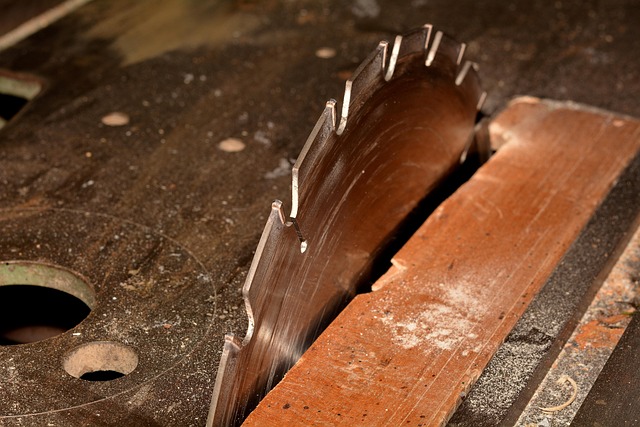
A wet saw uses a diamond-coated blade combined with a water-cooling system to slice through ceramic, porcelain, marble, or granite. The blade spins at high speed while water flows directly onto the cutting surface. This flow reduces friction between the blade and tile, preventing overheating that could warp materials or dull the edge prematurely. Because the blade’s rim remains consistently cool, it produces straight, clean cuts even through dense materials where manual tools often struggle.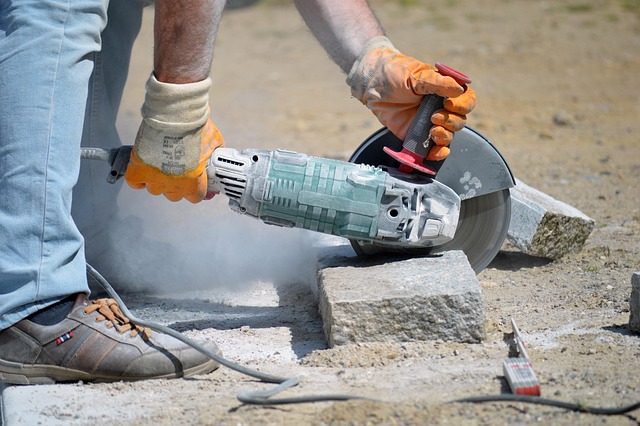
The Role of Water in the Cutting Process
Water plays two critical roles: cooling and lubrication. It absorbs heat generated by friction, protecting both the tile and the blade from thermal stress. At the same time, it suppresses airborne dust particles that can otherwise pose health risks or obscure visibility during work. A steady water stream also washes away debris from the cut line, maintaining clear contact between blade and material. By keeping diamond segments free of clogging residue, proper hydration preserves sharpness and extends service life.
Achieving Cleaner Cuts with a Wet Saw
Producing smooth edges without chips requires understanding how pressure, speed, and blade type interact. Even experienced installers rely on correct setup to avoid micro-fractures that compromise finish quality.
Minimizing Tile Chipping and Edge Damage
Chipping often occurs when excessive vibration or heat builds up along the cut line. Continuous water cooling stabilizes temperature fluctuations that lead to tiny surface fractures. Diamond blades maintain uniform contact with the tile surface so pressure distributes evenly across each pass. Feeding the tile at a consistent rate prevents jerky motion that causes irregular edges or corner blowouts. As a result, post-cut polishing becomes minimal.
Blade Selection for Optimal Cut Quality
Selecting the right blade type determines how fine or aggressive each cut appears.
Continuous-Rim Blades
Continuous-rim blades are ideal for delicate materials such as glass or glazed ceramic tiles because their uninterrupted edge glides smoothly through surfaces without snagging. They generate less vibration and thus reduce edge chipping significantly when precision aesthetics matter most.
Segmented Blades
Segmented blades handle harder substrates like granite or concrete-based tiles where more airflow is needed to cool between segments. Their design allows faster debris removal but can produce slightly rougher finishes if pushed too quickly or used on fragile materials.
Enhancing Precision Through Tool Setup and Operation
Even premium equipment underperforms without proper calibration. Alignment between components defines whether repeated cuts remain true across an entire project.
Importance of Alignment and Calibration
The guide fence must stay perfectly parallel to the cutting plane so tiles feed evenly into the blade path. Any misalignment introduces drift that accumulates over multiple passes. Regular calibration checks—especially after transport—keep tolerances tight enough for professional layout accuracy. Some operators integrate laser guides or measurement scales to improve repeatability when cutting complex mosaics or diagonal patterns.
Feed Speed and Operator Technique
Feed speed influences both control and finish quality. Pushing too hard forces the blade off track; too little pressure risks stalling mid-cut as friction increases locally. Experienced users find balance by listening to motor pitch changes that signal optimal load conditions. Smooth hand motion combined with steady water flow yields consistent depth across each stroke.
Advanced Cutting Applications Using a Wet Saw for Tile
Beyond straight lines, modern wet saws accommodate intricate detailing required in architectural installations such as mitered corners or custom mosaics.
Mitered Edges and Beveled Cuts
Adjustable cutting tables allow precise angle settings for miter joints at corners where two tiles meet seamlessly. Maintaining even water coverage across angled surfaces avoids localized overheating that might discolor glaze layers or weaken corners structurally.
Intricate Patterns and Custom Shapes
For decorative layouts requiring curves or diagonals, adjustable fences enable controlled rotation of tiles beneath the stationary blade. Fine-tuning depth allows partial scoring that guides intentional break lines later in assembly without compromising pattern symmetry.
Maintenance Practices That Support Clean, Accurate Cuts
Routine maintenance directly affects performance longevity and safety standards in professional environments where downtime costs productivity.
Blade Care and Replacement Intervals
Inspecting diamond segments regularly prevents reduced efficiency caused by uneven wear patterns or embedded residue buildup from slurry deposits. Cleaning blades after each session restores exposed diamonds’ cutting ability while extending lifespan before replacement becomes necessary.
Water System Maintenance and Filtration
Clean water circulation protects pumps from clogging by sediment accumulation within hoses or nozzles. Installing filtration units helps remove suspended particles from slurry before recirculation so cooling remains effective throughout extended projects involving dense stonework.
Safety Considerations During Precision Tile Cutting
Operating electrical machinery around water demands strict adherence to safety protocols set by international standards such as IEC 60364-7-702 governing electrical installations near wet areas.
Managing Water and Electrical Components Safely
Ground-fault circuit interrupters (GFCIs) reduce risk of electric shock by disconnecting power instantly upon detecting leakage currents in damp conditions. Proper drainage channels should direct excess water away from work zones to prevent accidental slips or equipment corrosion over time.
Personal Protective Measures for Operators
Even though dust exposure is lower than with dry saws, fine debris can still irritate eyes during prolonged sessions; protective goggles remain essential gear. Hearing protection also matters since continuous motor noise often exceeds safe occupational levels defined by ISO 1999 acoustic standards.
FAQ
Q1: What makes a wet saw better than a manual tile cutter?
A: A wet saw provides cleaner edges on dense materials like porcelain because its diamond blade combined with water cooling minimizes chipping compared to manual scoring tools.
Q2: How often should the water reservoir be cleaned?
A: After every major project or weekly during continuous use to prevent sediment buildup affecting pump efficiency and cooling performance.
Q3: Can one use a segmented blade on glass tiles?
A: It’s not recommended; segmented blades create vibration gaps unsuitable for brittle glass surfaces which require continuous-rim designs instead.
Q4: Why does my wet saw leave burn marks on ceramic tiles?
A: Insufficient water flow or worn diamonds cause localized heating leading to surface discoloration; inspect hoses and replace dull blades promptly.
Q5: Is it safe to use extension cords with wet saws?
A: Only heavy-duty outdoor-rated cords equipped with GFCI protection should be used in damp environments to comply with electrical safety guidelines from IEC standards.