
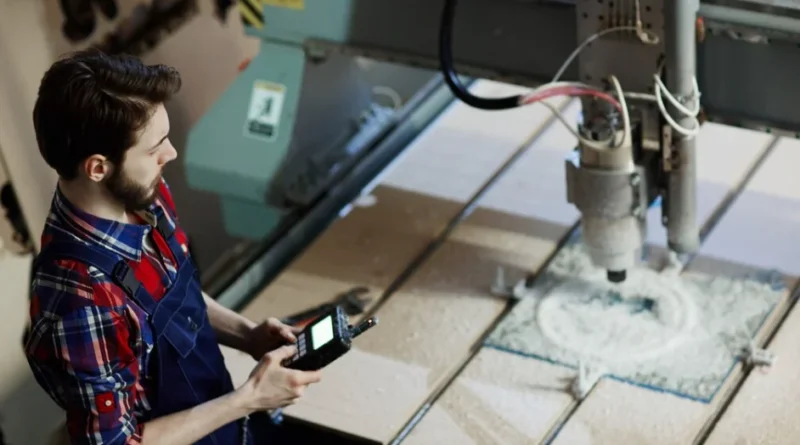
How the CNC Turning Process Evolves with Advanced Mill Turn Center Integration
The Evolution of the CNC Turning Process
The CNC turning process has seen a big change from its start as a basic mechanical task to today’s computer-based, multi-axis setup for machining. It started as a straightforward way to cut rotating pieces. Now, it forms a complete system that makes detailed shapes in just one go. This change shows wider changes in making things—from hands-on work to automatic systems and then to smart factory setups. Think about how shops used to rely on skilled workers turning handles all day. Today, machines handle most of the heavy lifting, which saves time and cuts down on mistakes.
Historical Overview of CNC Turning Technology
Early CNC lathes focused mainly on turning work with only basic control over axes. Back then, in those first years, workers used simple codes and hands-on tweaks to get things exact. As servo tech got better, these machines could handle several axes at once. This let them create more detailed shapes and repeat tasks with less error. The rise of computer numerical control, or CNC, in the 1950s was a key moment. It let people store instructions on computers instead of typing them in every time. For example, a factory in the 1960s might have spent hours punching cards for one job, but CNC sped that up a lot.
Later on, better control setups added smarter ways to blend movements and quicker checks on what’s happening. Still, even with these big steps forward, old ways kept turning and milling apart. Workers often had to shift parts from one machine to another—one for turning, another for milling. This caused delays that slowed down the whole line. In busy plants, such moves could add hours to a single batch, frustrating everyone involved.
The Limitations of Conventional CNC Turning Workflows
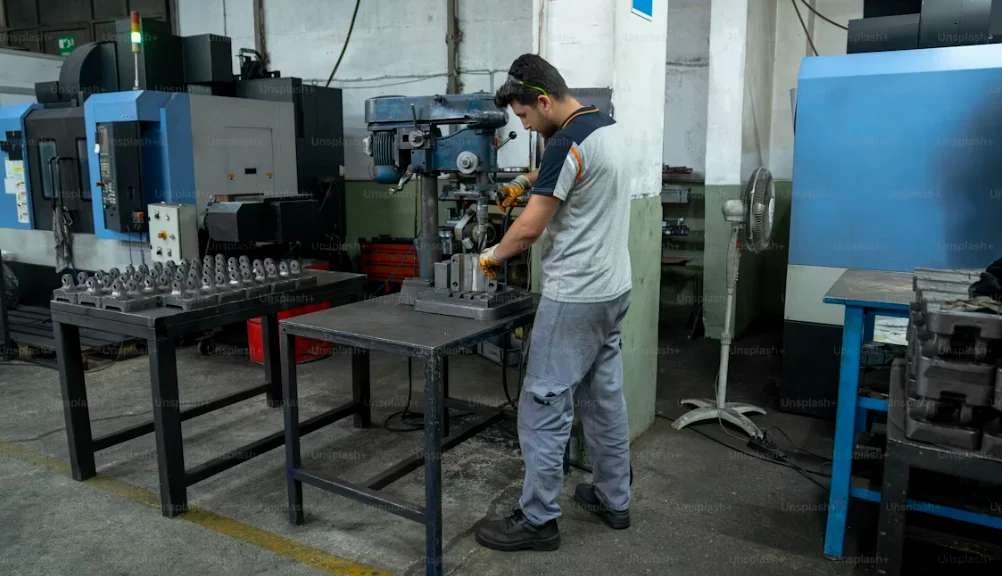
Standard CNC turning setups needed lots of clamping and lining up steps. Each time you clamped again, it could cause small mistakes. This raised the chance of parts being off or sizes shifting a bit. If a piece needed extras like grooves or slanted holes, workers had to do extra milling or even finish by hand. Picture a shop making engine parts—after turning, they’d haul them to a mill, losing precious time.
Changing tools was another big problem. The first auto tool switchers were sluggish and held few items. This meant operators had to step in often. Over many runs, these holdups added up. They hurt both the speed of making things and the steady quality from one batch to the next. It’s no wonder shops looked for better options as orders grew.
Understanding Mill-Turn Centers in Modern Manufacturing?
Mill-turn centers came about to fix these issues. They provide a single setup that blends turning and milling in one unit. By putting together tasks that once needed separate machines, makers get more options and better exactness. In real terms, a small aerospace firm might cut their part handling by half, which really helps when deadlines are tight.
Defining Mill-Turn Centers and Their Core Architecture
A mill-turn center mixes milling and turning into one machine frame. Its build usually has multi-axis setups—frequently five or more. These let it cut from various directions at the same time. Smart software lines up the main spin, tool holder turns, and cut paths. So, the machine can switch between modes without anyone helping. This setup lets you drill, shape edges, add threads, and smooth surfaces all in one flow. For fields making parts with very small allowed errors, like in planes or health tools, this cuts wait times a ton. It also keeps quality steady. I recall a case where a medical shop went from days to hours on implant runs just by switching to this.
This blending means fewer stops in the work cycle. Operators can focus on watching rather than constant fiddling.
Key Components That Differentiate Mill-Turn Centers from Traditional Machines
A few hardware upgrades set mill-turn centers apart from regular CNC lathes. B-axis heads allow flexible angle cuts that used to need moving the piece around. Live tooling lets tools work while the main part spins—basically milling on the fly. It’s like having a mini mill right on the lathe.
Extra spindles add more speed by passing parts between them for work on different sides. You don’t have to take the component out. This skips the wait from hand-moving and keeps everything lined up just right on all faces. In high-volume spots, this can boost output by 30% or more, based on what I’ve seen in industry reports.
How Mill-Turn Centers Are Transforming the CNC Turning Process?
Moving to mill-turn tech is more than upgrading gear. It’s a fresh way to think about work flows in today’s making world. Shops that adopt it often find surprises, like how it frees up space for other tasks.
Streamlining Production Through Process Consolidation
Mill-turn centers group turning, drilling, and milling into one set of steps. This cuts down on setup switches and moving time a great deal. Using just one machine means less chance for size errors. There’s no need to clamp again between jobs. Fewer moves also lower risks of dirt or bumps while handling. For instance, in a busy tool shop, this could mean handling 20% more orders without extra staff.
Such grouping leads to better repeat work and sharpness. That’s vital for pricey parts where tiny differences count a lot. It feels good to see a machine churn out perfect pieces without the usual worries.
Enhancing Precision Through Advanced Control Systems
New mill-turn machines use instant checks to keep cut settings steady across all directions. Heat fix systems tweak things on their own as warmth changes in long jobs. This holds sizes firm over many hours. One factory I read about used this to keep parts within 0.01 mm, even after 100-piece runs.
Smart path tweaks adjust speeds on the go, based on how tough the material is or if tools are wearing. The outcome is even surfaces on tricky shapes. You get this without slowing down or shortening tool use. It’s a practical win for daily operations.
The Impact on Workflow Efficiency and Cost Structure?
Taking on mill-turn tech boosts tech side, but it also changes how costs work by cutting out useless parts of the job. Over time, many users say the switch pays for itself in under a year.
Reducing Lead Times in High-Mix, Low-Volume Production Environments
For makers with varied items and small batches, easy tool setups are a big help. Mill-turn centers let you swap programs fast without long prep. Auto tool changers shorten waits by readying items ahead of each run. This fits right into on-time making plans, where quick replies mean good business. It’s especially useful in custom work or test builds, like fixing plane parts or special car bits. A supplier might go from weeks to days on prototypes this way.
Cost Implications of Adopting Mill-Turn Technology
Upfront costs are steeper than for basic lathes. But gains show up soon through less space use and fewer worker hours per item. With fewer preps, staff can watch several units at once. They don’t have to stick to one spot. Better use also raises overall machine success, or OEE. Each running hour gives more worth than before. That’s key in tough making markets. Plus, it often leads to less waste, which is a nice bonus for the bottom line.
Integration with Digital Manufacturing Ecosystems?
As plants get connected through digital links, mill-turn centers fit right in the middle of linked making setups. They help tie everything together smoothly.
Role of CAM Software in Mill-Turn Programming Efficiency
Top CAM software makes matched multi-axis paths from 3D drawings on its own. Test runs show the work before it starts, checking for safe paths without bumps. This stops expensive wrecks or code slip-ups. Custom finish steps make sure files work with different machine brains in your shop. It’s like having a digital twin of the job, which saves headaches later.
Operators find it easier to tweak things on the fly too.
Connectivity and Data Exchange in Smart Manufacturing Environments
Today’s mill-turn centers link straight to MES and ERP systems. They share real info like spin loads or job end times. Smart fix plans use info from sensors on spins and motors to spot wear early. This heads off breakdowns. Cloud tools give a bigger view by watching power use patterns or planning shifts from past data. It’s a simple way to make making greener without confusing workers. In one plant, this cut downtime by 15%, which added up to real savings.
Material and Application Considerations for Mill-Turn Operations?
The range of mill-turn centers works well with many materials. From tough titanium for plane motors to strong steel for body fixes in surgery. They handle it all without much fuss.
Suitability Across Different Materials and Industries
Plane makers gain the most from making detailed parts that need round shapes plus cut features with small error limits. Health tool producers use one-clamp ways that avoid tiny bends during cuts. That’s key for things like bone fasteners or joint fixes. In car lines, auto runs give steady results group after group. They keep high speed needed for big supply needs. For example, a car parts firm might machine 500 units a day with spot-on quality.
Tooling Strategies for Multi-Axis Machining Environments
Choosing tools that do cutting and shaping in one cuts switch times in hard jobs. Strong covers like TiAlN deal with heat in steady work, common in multi-axis spots. Adding tool watch into machine brains lets you plan swaps ahead. Not after trouble hits. This keeps work steady even in tough loads. It’s a smart move for long-term runs.
Future Directions in CNC Turning with Mill-Turn Integration?
Ahead, auto tech will grow what mill-turn units do on their own. Plus, smart computer thinking will sharpen choices in every cut. It’s exciting to see where this heads next.
Advancements in Automation and Robotic Handling Systems
Team robots now load or unload between jobs safely with people nearby. Auto tray switchers match mill-turn times to keep flow going, even at night without watchers. Sight-based systems check position right during passes. So, each piece goes into the spin lined up perfect for the cut. This setup can run lights-out, boosting night shifts without extra pay.
Emerging Trends in Machine Learning and Process Optimization
Learning computer programs look at past making info to adjust cut settings over time. They change speeds or pushes based on what worked before, not fixed plans. Guess models spot tool wear early to keep sizes right in long jobs. Ongoing learn circles tweak paths during work if checks find shakes or material oddities. Each run gets better than the one before. In practice, this might mean 10% faster cycles after a few months, based on real shop trials.
FAQ
Q1: What distinguishes a mill-turn center from a standard CNC lathe?
A: A mill-turn center combines both milling and turning functions within one platform using synchronized multi-axis control systems that allow simultaneous operations without moving parts between machines.
Q2: How does adopting mill-turn technology affect production costs?
A: Although capital investment is higher initially, savings come from reduced setups, smaller floor space needs, lower labor hours per piece, and improved equipment utilization rates over time.
Q3: Which industries benefit most from mill-turn integration?
A: Aerospace firms needing precision geometries, medical manufacturers producing implants under strict tolerances, and automotive suppliers aiming for consistent batch quality gain significant advantages from this integration approach.
Q4: What role does CAM software play in operating these machines?
A: CAM software automates multi-axis programming while running simulations that verify collision-free paths before execution; it also tailors post-processors for compatibility across different controllers used on-site.
Q5: How will AI influence future cnc turning process developments?
A: AI will enhance adaptive control by learning optimal feed rates or spindle speeds dynamically during runs while predicting wear patterns early enough to schedule maintenance proactively rather than reactively.