
What Are the Main Types of Superfinishing Process and Their Industrial Roles
What Defines a Superfinishing Process in Modern Manufacturing?
Today’s factories rely more and more on good surface quality. This helps boost performance, cut down on friction, and make parts last longer. Superfinishing is one of the top ways to reach these aims. It’s not merely a last step. Instead, it’s a careful process that changes how surfaces handle stress, wear, and movement.
Precision Surface Enhancement and Its Purpose
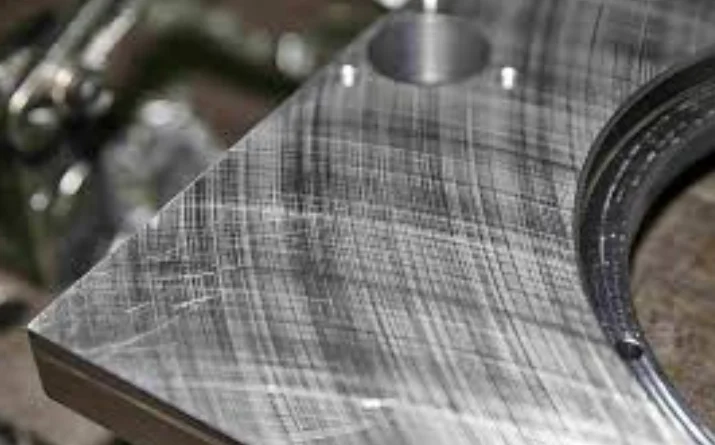
Superfinishing works to better the surface finish. It lowers roughness and improves size accuracy past what regular grinding can do. The method takes away tiny peaks from earlier machining steps. As a result, it forms a flat-topped surface. This holds oil better and eases contact stress. In fields like car making or plane building, these changes lead to better work and longer time between fixes. For example, in a busy engine plant, such surfaces can mean fewer breakdowns during long drives.
Differences Between Superfinishing and Conventional Grinding
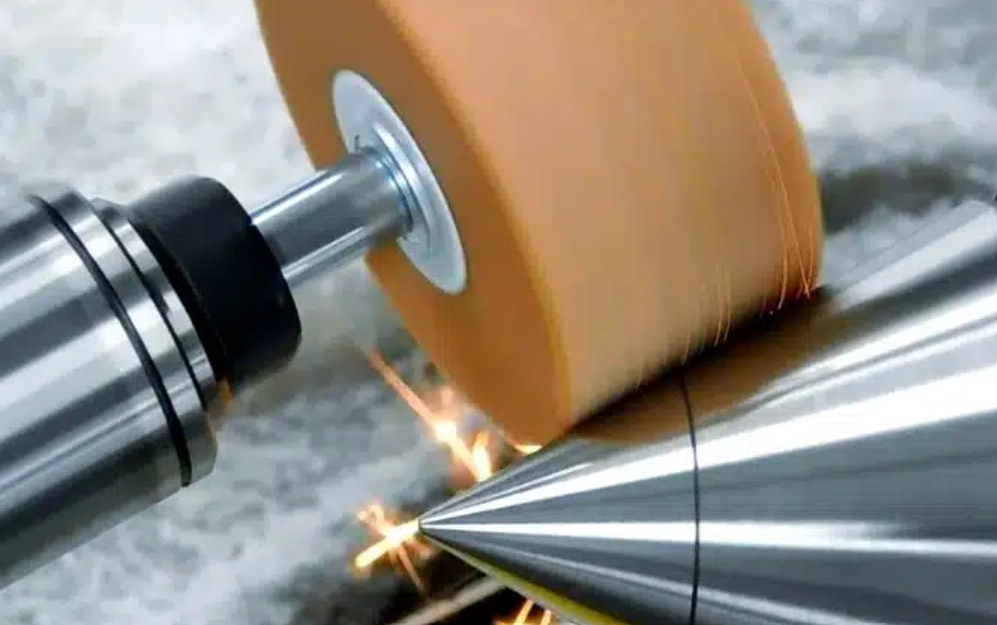
Both ways use abrasives to remove material. But their approaches vary a lot. Grinding deals with removing lots of material to get the right shape or size. Superfinishing, however, takes off just a thin bit—usually under a few microns—to smooth the texture. The tools in superfinishing are milder. They work with less force. This soft touch stops heat from building up. It also avoids small cracks or leftover stresses that might harm parts later. Think of it in a workshop: grinding shapes the rough block, while superfinishing polishes it to near perfection without the rough edges.
Key Parameters Influencing Superfinishing Quality
The results from superfinishing depend on a few things you can adjust. These include the force between the tool and the part, the speed of back-and-forth movement, how often things move against each other, and the size of the abrasive bits. If the force is too high, it might bend the shape. If it’s too low, rough spots stay. In places that make bearings, small changes in these settings can affect how smoothly things spin or how much noise they make. Workers often tweak these based on daily tests to keep everything running smooth.
What Are the Main Types of Superfinishing Process?
Superfinishing comes in several forms. Each one fits different materials and shapes. They balance time, money, and accuracy in their own ways. Sometimes, picking the right one feels like choosing the best tool for a job—trial and error helps.
Honing as a Controlled Abrasive Finishing Method
Honing is one of the best-known types of superfinishing process. It uses stones stuck together around a bar. This setup moves up and down while turning inside holes. The pattern it makes looks like a crisscross. This helps keep oil in place. It’s key for parts like engine cylinders or tubes that carry fluid. Honing also fixes small shape issues, such as being too narrow at one end or not round. Grinding might leave those behind. In a real shop, honing turns a bumpy bore into a slick path for pistons, cutting wear by half in some cases.
Lapping for Achieving Ultra-Fine Surface Flatness
Lapping goes even deeper into accuracy. It uses free abrasives mixed in a liquid. These sit between a flat plate and the part. The particles roll and slide to remove material, not cut like a knife. This way, it gets super flat surfaces—down to levels smaller than a micron. It’s vital for things like camera lenses or valve seats. There, a tight seal relies on perfect touch. I’ve seen lapping used on old machine parts; it revives them like new, saving money on scraps.
Polishing for Surface Aesthetic and Functional Enhancement
Polishing improves both looks and workability. It uses smaller and smaller abrasives, or mixes in chemicals with mechanics. This clears out tiny flaws you can’t see without tools. More than just a shine, these surfaces fight rust better. That’s because there are fewer spots for dirt or water to hide. In making molds or tools for surgery, this finish keeps things clean and dependable. For instance, a polished scalpel glides easier, making operations safer for patients.
How Does the Stone-Based Superfinishing Process Operate?
Stone-based finishing is still a basic part of many factory lines. It’s simple and works on stuff from steel to pottery-like materials.
Principle of Oscillating Abrasive Contact
The method uses back-and-forth movement of stones. They press lightly on the turning part’s surface. Together, the shaking and spinning create even paths of touch. Over time, this wears down tall spots. At the same time, it keeps the overall shape true.
Control of Pressure and Lubrication in Stone Finishing
Keeping even pressure matters a lot. Uneven push causes spotty patterns or quick wear in one area. Oil or coolant is just as key. It washes out bits of metal, cools the spot where they meet, and stops the stones from getting clogged with scraps.
Industrial Applications of Stone-Based Finishing
Stone systems show up often for finishing spots like crankshaft journals, bearing races, or pistons in hydraulic setups. Here, the exact texture affects how fluid layers act. These jobs need the same results batch after batch. They must not hurt the part’s strength. In auto repair shops, stone finishing on a worn journal can add thousands of miles to an engine’s life.
Why Is Tape Superfinishing Widely Used in Precision Industries?
Tape systems update old stone methods. They bring ongoing abrasive strips that fit well in machine-run setups.
Mechanism of Abrasive Tape Movement Over Workpieces
In tape superfinishing, a loop of rough film slides over spinning parts. It stays under set tension. Fresh pieces take over from worn ones on their own. This keeps the cutting steady for long job runs. No need to stop for hand changes.
Advantages of Tape Finishing Over Conventional Methods
Tape beats stone in cleanliness and fit with machines. Tool wear drops to almost nothing. That’s because new tape always hits the spot. Upkeep costs fall a lot. This is why car factories pick it for making lots of shafts or rollers. It’s like having a self-cleaning brush that never dulls—saves hours in a shift.
Typical Uses in Automotive and Aerospace Components
Exact-work areas use tape a ton for crankshafts, camshafts, turbine blades, and other turners. They need tight control on roughness, often under Ra 0.1 µm. These finishes cut friction in engines or turbines. Every small gain in smooth running adds up to real fuel savings. In plane engines, for example, it can mean lighter weight and quieter flights.
How Does Brush Superfinishing Contribute to Surface Integrity?
Brush finishing brings bendiness where stiff tools fail. It’s great for tricky shapes with edges or hollows.
Function of Flexible Abrasive Brushes in Finishing Operations
These brushes have threads loaded with small grit. They bend to match the part’s curves as it spins or shakes. They softly clear burrs from cutting without changing the main sizes. That’s important when fits are super tight, like within microns.
Benefits in Maintaining Dimensional Accuracy and Cleanliness
Brushes shift to fit shape changes on the fly. So, they give even shine on hard spots like gear teeth or body implants. The way also wipes away leftovers well. It skips the stress points that harder tools cause.
Common Industrial Sectors Utilizing Brush Techniques
Electronics folks use brushes on pin connectors. Medical makers put it on steel parts that need clean smoothness. Gear builders depend on it to trim tiny burrs from teeth after cutting or grinding. In a phone factory, brushing pins prevents short circuits from rough edges.
What Role Does Chemical Mechanical Polishing Play in Advanced Manufacturing?
Chemical Mechanical Polishing, or CMP, mixes chemistry with rubbing in a special way. It hits tiny scales of accuracy.
Combined Chemical and Mechanical Material Removal Mechanism
CMP uses mixes of reactive liquids. These hold chemicals that weaken top layers. Fine bits rub them off with a turning pad. The team-up makes surfaces smooth at the atom level. You can’t get that with just rubbing. It’s perfect for chip wafers from silicon or other stuff like gallium arsenide. Sometimes, the slurry foams a bit, which techs watch to avoid bubbles messing up the flatness.
Process Control Parameters Affecting CMP Outcomes
How well it works ties to the mix in the slurry, like boosters versus blockers. The pad’s feel, like how hard or holey it is, counts too. Then there’s the push down, and how fast the wafer and base turn against each other. All get set just right to match speed with keeping flaws low.
Applications in Semiconductor and Optics Production Lines
CMP is a core step in making circuits. It levels layers so printing lines stay true. Optics shops use like setups for glass lenses. They need flatness at nanometer scales before adding coatings. In telescope making, a bad CMP can blur stars, so they double-check every batch.
How Do Industries Select the Appropriate Superfinishing Technique?
Picking the right type of superfinishing process takes thought. It matches what the job needs with money sense. Plus, it looks at what machines your place has.
Evaluation Based on Material Type and Surface Requirements
The hardness of the material picks the abrasive. Softer metals go with fine stones. Tough mixes might take diamond pastes for lapping. Shape matters too. A flat piece suits lapping. Inside holes need honing. Wavy forms do well with brushes. In practice, a shop might test a few on scrap to see what sticks.
Considerations of Cost Efficiency and Production Volume
Places making tons pick tape setups for steady output with little watching. That cuts oversight costs. On the flip side, small runs of special parts—like plane test pieces—go for slower, super-accurate ways like lapping or CMP. They cost more per item but give top finish. For a startup, starting small with brushes might build up to bigger tape lines later.
Integration With Digital Monitoring for Process Optimization
New plants add sensors for shakes, liquid heat, and pull force. These link to computer models that guess wear or slips ahead. It lets fixes happen before bad parts spread. This makes finishing more about numbers than guesswork. One factory I recall cut waste by 20% just by watching temps closely.
FAQ
Q1: What distinguishes superfinishing from standard polishing?
A: Superfinishing focuses on functional surface improvement through controlled micro-removal using abrasives under low pressure; polishing mainly targets visual smoothness using finer media often without strict geometry correction goals.
Q2: Which materials respond best to lapping?
A: Hard metals like tool steels or ceramics respond well because their rigidity allows uniform particle engagement producing extremely flat results without deformation risk.
Q3: Why do manufacturers prefer tape systems for engine parts?
A: Continuous-feed tapes maintain steady quality across long runs while reducing downtime linked to stone dressing or replacement—critical advantages in mass engine production lines.
Q4: Can brush superfinishing replace honing entirely?
A: Not exactly; brushes complement honing by removing residual burrs post-machining but lack sufficient aggressiveness for correcting bore geometry deviations typical after drilling operations.
Q5: How does CMP contribute beyond semiconductor manufacturing?
A: Besides wafers, CMP polishes optical glass lenses ensuring atomic-scale smoothness required before applying anti-reflective coatings used in cameras or telescopes.