
What Does A CNC Machine Do In Shaping Everyday Industrial Tools
How Does a CNC Machine Function in Modern Manufacturing?
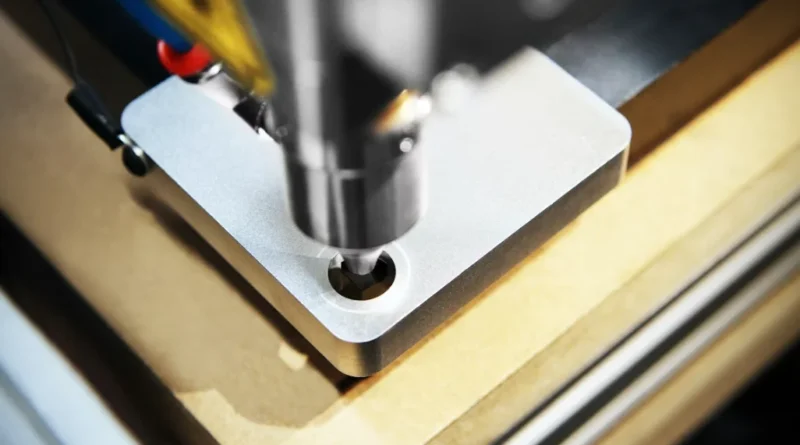
CNC machines form the core of today’s manufacturing world. They shape items from airplane parts to the simple wrench you grab from your toolbox. If folks ask what a CNC machine does, the reply points to its skill in turning digital plans into exact physical shapes. These setups blend computer smarts with mechanical steadiness. That makes them vital for big runs and one-off jobs alike. In my view, it’s like having a tireless craftsman who never slips up.
Precision Control Through Computer Programming
CNC tech turns digital design files into exact mechanical actions. Each order guides the tool’s route, depth, and pace. This lets you hit tolerances as fine as microns. Machines follow automated steps to keep steady accuracy over thousands of runs. That’s key for making matching parts in fields like car building or health tools. New software links also allow smart adjustments during work. Machines tweak cutting settings on the fly to deal with tricky shapes or changes in materials. No need for hands-on fixes. For example, in a busy shop, this means fewer rejects and smoother days.
Integration of Multi-Axis Machining Technology
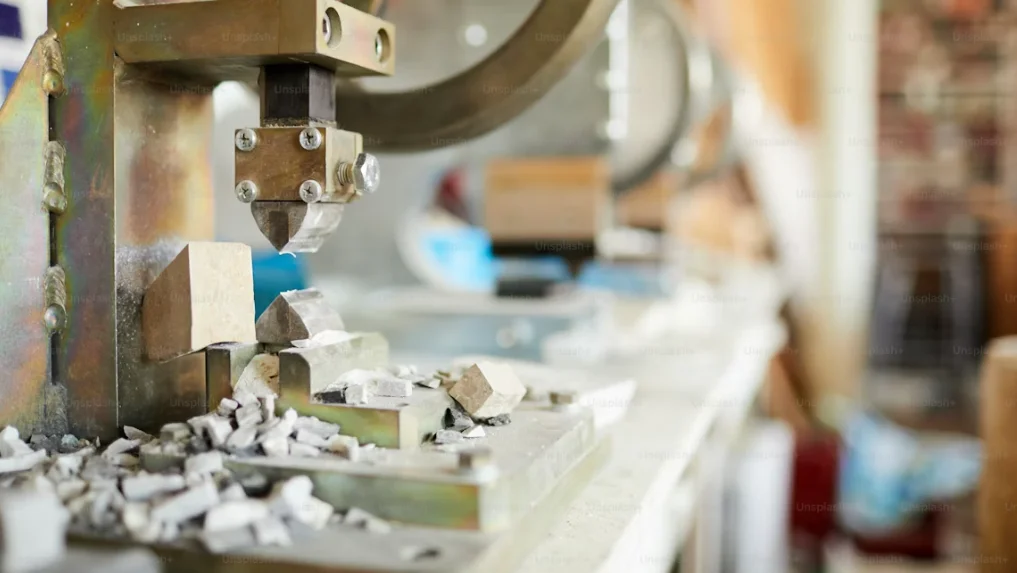
Multi-axis machining marks a big step in manufacturing ease. You avoid shifting the workpiece over and over. Instead, a multi-axis CNC setup cuts on many planes at once. This cuts down setup time. It also wipes out lineup mistakes that bothered old hand methods. The outcome shows in detailed pieces like turbine blades or bone implants. They come out even and true in one go. Think of it in aerospace—saving hours per part adds up fast.
Automation and Repeatability in Production Processes
Automation is where CNC machines really stand out. After setup, they run non-stop with little watching. They hold the same results from piece one to piece ten thousand. This sameness boosts quality checks. It also trims waste a lot. In huge operations, steady schedules backed by auto systems cut idle time. Output stays even across work shifts. One factory I heard about ran 24/7 and doubled their speed without extra staff.
Why Are CNC Machines Essential in Shaping Industrial Tools?
CNC tech holds a key spot in making tools. It sets not just the form but also how well the tool works. Every work tool—from drill bits to exact dies—relies on spot-on shape and finish from guided cutting steps.
The Role of CNC in Tool Geometry and Surface Finish
Tool shape decides how well it handles pressure. CNC exactness lets you set sharpness, cutting edges, and side evenness to tiny scales. Steady feed speeds help make smoother tops. That leads to tools that last longer by cutting down rub during jobs. Top tools for air travel or power fields count on this care for steady work in tough spots. In practice, a well-machined bit can drill twice as many holes before dulling.
Material Adaptability and Cutting Efficiency
A strong point of CNC systems is how they handle different stuff—from tough steel to light mixes. By setting cutting speeds and power from live info, these machines ease stress on the material. They avoid bends. Smart tool software shifts settings as it goes. Each slice fits the stuff’s traits. This gives cleaner sides and less cleanup after. For instance, switching from aluminum to steel might just need a quick program tweak, keeping things efficient.
Enhancing Durability Through Consistent Manufacturing Standards
Steadiness builds lasting strength in work tools. Even making sure stress spreads fair across each item. It stops weak spots that cause early breakdown or busts. Built-in check systems watch size limits while cutting. They catch issues right then, not later. This saves time and stuff while hitting firm field rules. Over years, shops using this see tools that hold up 30% better in tests.
What Types of Everyday Tools Are Created Using CNC Machines?
You may not notice how many things near you owe their life to CNC cutting skill. From home items to car motors, this quiet worker forms goods that fill daily routines. It’s everywhere, from your kitchen drawer to the garage.
Precision Hand Tools and Measuring Instruments
Hand tools like wrenches, calipers, and micrometers need exact grinding for true measure and match. Size exactness guarantees solid work when you twist nuts or check sizes on a line. Extra finish steps boost hold ease and stretch item life—bits only possible with guided cuts. A good caliper, for example, can measure to 0.01 mm, making assembly jobs quicker and safer.
Automotive Components and Engine Parts
In car making, motor blocks, pistons, gears, and gear boxes all get shaped by CNC tech. These bits demand tight sizes for good fuel burn and less shake while running. Be it common cars or special test models for race cars, CNC gives room to grow and exactness that hand work can’t beat. In one auto plant, they churn out 500 pistons a day, all identical to the eye.
Medical Instruments and Surgical Devices
Health tools must hit tiny exact standards. That’s because they touch body parts directly. Safe stuff like titanium gets cut in clean setups using CNC gear. It promises smooth tops ready for cleaning. Matching shapes over lots ensures safe use in operations. Surgeons trust these for steady cuts every time, cutting risks in the OR.
How Does CNC Machining Influence Product Innovation and Design Flexibility?
Moving from hand building to computer-led steps has changed how goods get planned and tried before shop floors. It opens doors we didn’t know were there.
From Digital Prototyping to Rapid Production Cycles
Linking CAD-CAM software right to machine guides lets makers go from idea sketches to done samples in hours, not weeks. This quick back-and-forth speeds up changes for new tool ideas or fixes. It keeps lines running—a big win in fast fields like gadget making or air tool work. Imagine tweaking a phone case design overnight and testing it by morning.
Customization Capabilities for Specialized Applications
CNC coding backs changes at volume. You can alter digital plans fast for small groups fit to special work needs. This could be custom holders for robot setup or unique stands for lab gear. Such bendability sparks fresh ideas in new areas where plain tools don’t cut it. Small shops love this for one-off jobs that pay well.
Enabling Complex Geometries Beyond Manual Machining
Multi-axis handling opens ways to build inside holes or bent tops that hand tools couldn’t touch. Fast grinding makes light but tough builds seen in drones or electric car bodies. This shape freedom drives smart building ways that break old making bounds. It’s like sculpting with math—precise yet wild.
How Do CNC Machines Contribute to Manufacturing Efficiency?
Ease now covers more than quickness. It includes steadiness, saving stuff, and smart flow handling with facts.
Reduction of Human Error Through Automation
Auto work cuts out changes from tiredness or hand slips. Live watch systems spot drifts soon to fix them before flaws show. Smart upkeep guesses service needs from real machine states, not set times. This keeps things humming without surprises. One tip from old-timers: always double-check the first run.
Optimization of Material Usage
Exact cut routes mean smaller scrap piles per lot. That’s good for the wallet and the earth as fields aim for green ways. Smart layout math figures best fits from raw sheets to boost output. It shrinks bits headed to recycle. In metal shops, this can save 20% on stock costs yearly.
Streamlined Workflow Integration
Today’s CNC gear fits smooth with planning systems that handle times and stock tracking on their own. Fact sharing between machines shortens wait times in supply lines. It lines up work across teams without constant people help. The result? Smoother days and happier clients.
In What Ways Do Advancements in CNC Technology Shape the Future of Toolmaking?
The coming wave of tool making sits where auto smarts meet green building habits. It’s exciting to watch unfold.
Integration of Artificial Intelligence and Machine Learning
AI plans now look at sensor facts during cuts to adjust plans based on real trends. Learning models guess wear before it hits quality marks. They allow ahead fixes that keep output steady without hand tweaks. This feels like the machine learning from each job, getting sharper over time.
Development of Hybrid Manufacturing Systems
Mixing add-on steps like 3D printing with cut-away CNC polish widens what makers can build well. Hybrid gear makes almost-done shapes by layering then exact trimming. This team-up shortens full times while holding size truth key for air molds or shot forms. Early tests show 40% faster builds for complex parts.
Adoption of Sustainable Machining Practices
Power-saving motors drop running energy use way below old ways. Closed loops for coolant reuse cut waste from liquid toss. Picking tools that last longer stretches machine years—a real move to cleaner making setups around the globe. Plus, less noise and heat make shops nicer places to work.
How Does the Human Element Interact With Advanced CNC Systems?
Even with auto leading, trained folks stay at the heart. Machines need people smarts where pure rules miss the mark. It’s a team effort, really.
The Evolving Role of Skilled Operators
Workers now spend less time on hand cranks. They handle code setups or check parts against plans. Their know-how links idea drawings to real builds in tough runs. Quick choices count when things shift. In a pinch, their gut feel saves the day.
Collaboration Between Engineers and Programmers
Tight teamwork between part designers and code writers smooths the jump from ideas to buildable facts. Shared online spots let fast back chats. They boost ease numbers and product build ease before big mistakes spread. Good talks often spot fixes early.
Balancing Automation With Creative Problem-Solving
Even top plans hit odd twists sometimes—like uneven stuff—that call for people calls mid-job. Seasoned techs mix feel with fact reading to keep going. They guard safety rules and fresh chances in auto spots. Without that human touch, things could stall.
FAQ
Q1: What does a CNC machine do?
A: It converts computer-generated designs into precise mechanical movements that cut or shape materials automatically according to programmed instructions.
Q2: Which industries rely most heavily on CNC machining?
A: Aerospace, automotive manufacturing, medical device production, electronics fabrication, and energy sectors all depend extensively on CNC precision systems.
Q3: Can small businesses use CNC technology effectively?
A: Yes; compact desktop mills or routers offer affordable entry points enabling small workshops to produce custom parts efficiently without outsourcing costs.
Q4: How does multi-axis machining differ from traditional milling?
A: Multi-axis setups allow simultaneous movement along several planes reducing repositioning steps while achieving complex geometries impossible through standard three-axis methods.
Q5: Is AI integration replacing human operators entirely?
A: Not yet; AI supports decision-making but skilled operators remain essential for oversight calibration troubleshooting tasks requiring contextual understanding beyond algorithmic prediction.