
What Makes Wire EDM Programming Capabilities Essential for Precision Manufacturing
Wire EDM Programming Capabilities
Wire EDM, or Electrical Discharge Machining, plays a key role in exact manufacturing. It lets you make detailed shapes and close fits that regular cutting methods struggle with. The way you program this machine decides how well it works. This piece looks at the main parts of wire EDM programming. It covers basic ideas, planning methods, software links, and how pros use it to get better accuracy and output. I remember once watching a shop turn a tough design into a part overnight—it’s amazing what good programming can do.
Core Principles of Wire EDM Programming
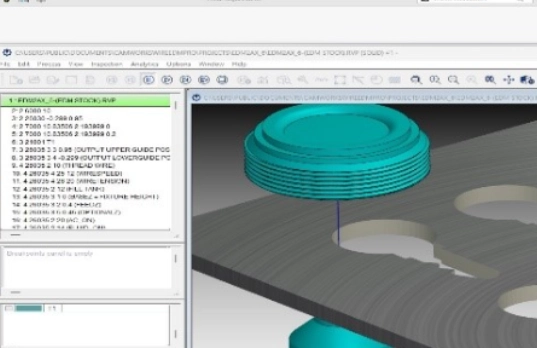
Wire EDM programming starts by turning a CAD model into clear cutting steps for the machine. The job uses G-code and CAM software to guide the wire’s path, its pull, speed of movement, and spark settings. Basically, you control more than just slicing metal. You handle a heat-based electric process where tiny details count a lot.
Newer setups let you set up moves on several axes. This helps with slanted cuts and tricky outlines with little hands-on work. Mixing computer accuracy with electric spark science makes wire EDM great for tools like molds, dies, parts for planes, and small bits. In my view, it’s like having a super-precise laser, but for tough stuff.
How Does Wire Path Control Work?
The wire’s route sets the whole EDM cutting plan. Each line or curve you program tells how material gets taken away by steady sparks between the wire tip and the work piece. You can add space adjustments for first rough cuts and later smooth ones. This way, the surface gets better step by step without messing up the shape.
Top machines figure out fixes on their own based on the wire’s width and the spark space. This keeps sizes spot on, even with hard stuff like carbide or titanium that act different under electric hits. If you need several cuts, the program can save route sets for later use. That cuts down time on parts with the same shapes over and over. For example, in a factory making gears, reusing those paths saved hours each week.
Adaptive Cutting Strategies
Smart planning methods allow changes in speed and power as the job goes on and things shift. Take corners or thick areas, for instance. There, you can lower the power on its own to stop the wire from snapping or the heat from warping things. This kind of bend makes steady work on all sorts of shapes without tweaking by hand between steps.
It’s handy for jobs that vary a lot. You get even results without constant checks. Pros often tweak these for specific materials, like slowing down on alloys that heat up fast.
Advanced Software Integration in Wire EDM
Wire EDM planning now counts a lot on linked CAM tools that make the flow from design to making smoother. These setups mix 3D drawing features with output cleaners made just for brands like Mitsubishi, Sodick, or Makino. They turn your idea into ready-to-run code without hitches.
I’ve seen teams cut setup time in half this way. It’s not magic, but close.
Role of CAM Systems in Precision Machining
CAM programs do more than make paths for tools on their own. They play out the real cutting in a test run before you start. You see the spark spaces, check for room, and spot crash risks all on screen. This test run cuts waste on supplies and hours by skipping test pieces on costly rigs.
Some tools even have lists of materials that pick the best settings based on the metal type or how thick it is. So, there’s less trial and error when you switch from steel dies to carbide bits. In places that make lots of items, this auto help keeps things exact batch after batch. No need for watchers all the time. Think about a shop running 50 parts a day—without this, errors would pile up quick.
Multi-Axis Programming Capabilities
Control on many axes stands out as a big plus in today’s wire EDM machines. With four axes working together, you can make slanted holes or parts with changing angles in one go. That’s hard to do with old-school milling. The top and bottom guides shift on their own along set routes to form these hard shapes. They stay lined up the whole time through the cut steps.
For instance, roots of turbine blades need mixed slants that flow smooth along bent faces. Multi-axis planning deals with that easy when paired with smart CAM math that figures out matched moves between axes right then. In aerospace, this means parts that fit perfect the first time, saving costly reworks.
Automation and Optimization in EDM Programming
Auto features have changed how skilled folks plan wire EDM tasks. They go from runs with no one watching at night to smart upkeep plans based on info from sensors.
It’s like the machine watches itself sometimes. Pretty cool for busy shops.
Toolpath Optimization Techniques
Better paths cut down on run times while keeping edges sharp. They do this by cutting out extra pulls back or repeat trips around shapes. Lots of program packs now have fix-up parts that check paths after making them and drop useless bits on their own.
Say two nearby holes have like shapes but face different ways. Spotting patterns in CAM can join their cut plans into one smooth flow. That slashes prep time big time. In a real case, a tool shop used this to trim 20% off cycle times on die sets.
Integration With CNC Controls
Most fresh wire EDM machines run on CNC setups that work with special short codes or helper routines added right into their main system. By putting if-then rules into your G-code, like changing space based on checked wear, you hold tight fits even in long making runs. No hand fixes needed.
The newest controls also take live info from sensors that watch power changes or fluid states. These details tweak spark rate on the fly during the job. That keeps the heat steady no matter what, like shop heat going up or down. For long jobs, this prevents small drifts that add up to big problems.
Surface Finish Control Through Programming Parameters
The smoothness of the surface in wire EDM comes mostly from how you adjust the spark power over cut layers. You don’t need extra grinding after.
Getting it right can make a part look polished without the hassle.
Roughing vs Finishing Passes
In first cuts, strong power takes off big chunks fast. But it leaves a rough look from deep pits made by big sparks. Later cuts use weak power at quick rates for even surfaces that get close to shiny.
Setting these switches right keeps things fast without dropping quality needs in mold work. There, surface marks under 0.2 µm happen often as a must. Teams aim for that in medical tools, where smooth counts for safety.
Influence of Dielectric Fluid Management
The fluid works as a cooler and barrier during spark bursts. Its flow has to match the set speeds just right. That way, junk gets cleared out well in every cut level.
By tying pump settings straight into your program steps instead of just machine defaults, you get better grip on flush pressure tweaks based on shape tricks. Like tight gaps versus wide paths. This helps in slots under 0.5 mm wide, where clogs can ruin a whole run.
Common Challenges in Wire EDM Programming
Even top planners face issues juggling exactness with speed. This hits hard with odd metals that crack tiny under strong pulses.
I’ve heard stories of a whole batch scrapped over a small oversight—lessons learned the hard way.
Wrong space fixes can cause slant differences between top and bottom if guides slip a bit over days. Daily check steps built into start-up codes help catch that early before making starts each shift.
Heat shifts from long runs also nudge sizes a touch. Short breaks between big jobs let the machine frame and fluid tank cool down natural. This keeps fit chains solid over back-to-back batches. In one plant, adding 5-minute pauses cut error rates by 15% on titanium parts.
FAQ
Q1: What file formats are typically used for wire EDM programming?
A: Most systems accept standard CAD formats such as DXF or IGES which are then converted into G-code through CAM post-processing specific to each machine model.
Q2: How accurate can modern wire EDM machines be?
A: With proper calibration and environmental control, tolerances within ±2 µm are achievable consistently across multiple parts produced from identical programs.
Q3: Can wire EDM cut hardened materials directly?
A: Yes; since it’s a non-contact thermal process relying on electrical discharges rather than physical force—it cuts hardened steels or carbides without inducing mechanical stress or distortion typical of conventional milling methods.
Q4: What factors influence surface roughness most strongly?
A: Discharge energy settings (current amplitude/frequency), number of finishing passes programmed sequentially after roughing stages plus dielectric flushing efficiency collectively determine final Ra values achieved per component batch processed.
Q5: Is automation feasible for small-batch production using wire EDM?
A: Absolutely; programmable job queues combined with automatic threading units enable unattended operation overnight—even for low-volume runs requiring frequent setup changes—as long as fixture repeatability remains within specified tolerance bands.