
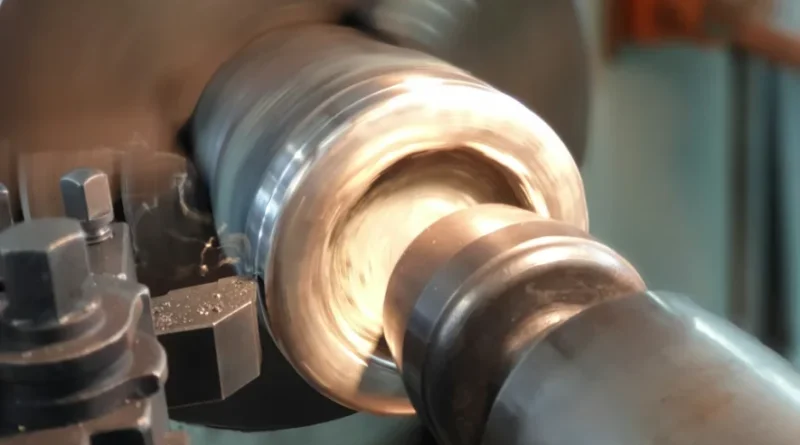
What Does A Bead Roller Do That Welding Alone Cannot Achieve In Panel Stiffness
Understanding the Function of a Bead Roller in Metal Fabrication
Every custom metal project begins with a sheet that seems tough. But it often acts weak. You may see panels bending, twisting, or showing “oil-canning” even after careful cuts. That is when bead rolling comes in handy. If you have ever asked yourself what does a bead roller do, it goes beyond just making pretty lines. It changes how metal holds up against pressure.
The Mechanical Principle Behind Bead Rolling
A bead roller adds bumps or dips into sheet metal. This boosts its strength. Pressure from matching dies pushes the metal a bit. It forms a raised or sunken line. This small shift in shape turns a simple flat piece into something much stiffer. The method changes the material’s form without extra weight. That makes it key for car work, plane parts, and building designs.
You control the pressure and pick the right dies. They set the bump’s depth and look. A light roll works fine for thin aluminum on car bodies. Thicker steel needs deeper bumps for the same strength. In real jobs, the worker tweaks the speed and force. This keeps everything even over long pieces. It’s a trick that marks pro work from beginner tries. I recall one shop where uneven rolls ruined a whole batch of panels. They learned to slow down and check often.
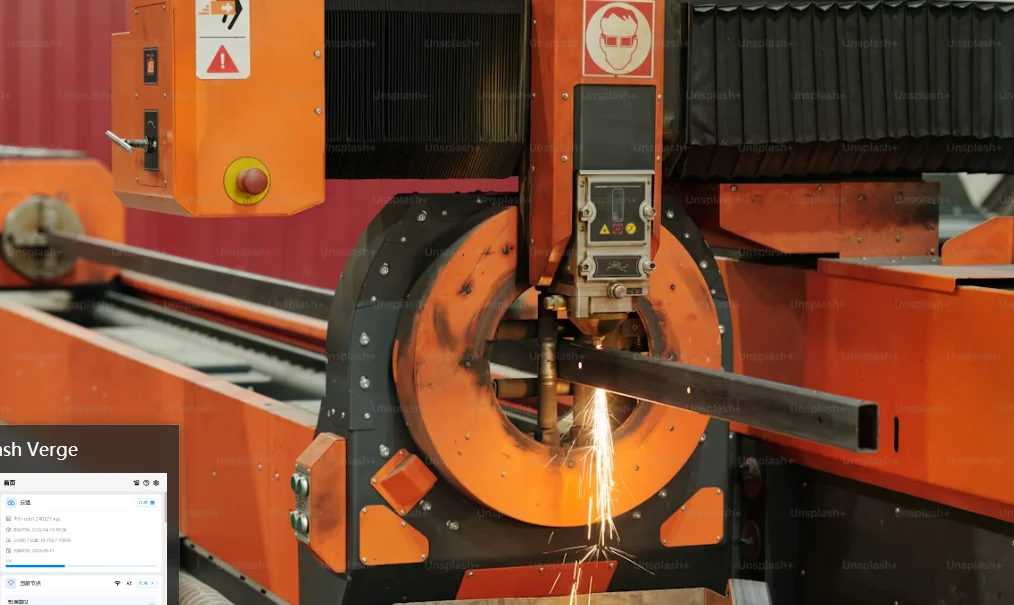
How Bead Rolling Alters Material Properties
Rolling causes some hardening in spots. It stiffens the sheet by squeezing and pulling the top layers. This work boosts the strength in those parts. So, thin metal acts like heavy stuff. The process spreads out the strain over the whole panel. It fights bending and shaking wear.
Bump designs steer how the metal deforms when loaded. They improve the build’s toughness in key spots, like near holes, joins, or open areas. If done right, each bump works like a tiny beam. It directs forces in a steady way through the setup. For instance, in a truck bed, these lines stop the floor from rattling on bumpy roads.
Structural Weakness and “Flabbiness” in Flat Metal Panels
Flat panels look great on the table. But they show problems once fitted. Without shapes or supports, even tiny shakes make them act like drum heads. I’ve seen this in garage projects where a simple door panel wobbles like jelly.
Why Flat Panels Lose Structural Integrity
Big flat areas without help tend to oil-can from shakes or pushes. Nothing stops the bending. No shapes mean wild curves and clear twists when light shines from odd angles. Over time, heat changes make waves worse in big doors or hoods under the sun.
This shows up clear in custom car jobs. Wide metal sheets without rolled lines look soft. They shift a little when you push by hand. Think of a hot rod fender that flexes in the wind – not ideal for speed.
Identifying Common Symptoms of Panel Instability
You hear popping sounds or oil-canning while moving or fitting pieces. That’s an early clue of weakness. Uneven light bounces point to uneven pulls from cuts or welds. Trouble keeping lines straight during build-up also shows hidden strains. These haven’t been eased by methods like bead rolling. In one case, a builder ignored the wobbles and ended up with a door that wouldn’t close right.
The Role of Bead Rolling in Preventing Panel Distortion
After you grasp why flat panels fail, bead rolling makes sense as a fix. It does more than pretty up metal. It manages how it acts in daily use. Sometimes, folks forget that a single row of beads can save hours of frustration later.
Reinforcement Through Geometric Stiffening
Beads raise the bending resistance in the sheet. They make it tougher to curve along that line. Rounded shapes work like small beams. They spread loads well without more weight. Smart bead spots cut down on shakes and wear that lead to breaks.
In car floors or plane covers, beads run along force lines. So, pushes move smooth over strong areas. They don’t bunch up at soft spots. Picture a race car floor with beads every six inches – it stays flat even at high speeds.
Controlling Flex Patterns for Dimensional Stability
Custom bead plans let you guide flex under strain. Grid patterns or edge beads steady big open parts like fire walls or trunk bottoms. Right order of rolls stops twists during making. Pros often start from the middle and go out. This evens out leftover pulls. The sheet stays flat instead of warping. It’s like drawing a map before building to avoid surprises.
Integrating Bead Rolling Into Custom Build Workflows
Don’t rush to roll every piece in your job. Plan first. Each metal type reacts different based on thickness and mix.
Design Considerations Before Rolling Begins
Check the sheet’s thickness, metal blend, and load directions before setup. Soft metals like aluminum need less push than plain steel. Too much force thins edges. Set bead gaps by strength needs and looks. Beads too near can harm more than help by stressing the metal too much. Line up dies well to skip rough spots. Those show after paint or shine. In practice, spacing beads about 4 to 8 inches apart works for most car panels, depending on the gauge.
Combining Bead Rolling With Other Reinforcement Methods
Spot Welding and Flanging Integration
Beads pair with folded edges for better strength at joins. Where panels meet, spot welds along bead lines boost the link. They share pulls through many strong zones, not just one point. This setup held up in a custom trailer that hauled heavy loads without creaks.
Compatibility With Forming and Welding Processes
Roll panels in the right order before bends or joins. Weld heat can loosen the hard spots from rolling. In some jobs, you re-roll after welding to fix soft areas from heat twists. It’s a small step, but it keeps things solid. Builders often add this to their checklist after a bad weld job taught them the hard way.
Precision Techniques for Professional Fabricators
The rolled panel’s quality relies on the worker’s skill as much as the tool setup. A steady hand makes all the difference.
Tool Calibration and Die Selection Strategies
The die’s curve sets the bump’s sharpness and size. Wrong choice tears or thins edges. For thin stainless, a pointy die often cracks small lines. You see them after polish. Keep a steady speed for even bumps over long stretches. Any pause leaves waves under paint. Calibrating takes about 10 minutes per job, but it pays off in smooth results.
Managing Material Stretch and Surface Finish Quality
Watch the push to not over-pull thin sheets. Keep smooth shifts around bends. Oil cuts drag marks between dies and metal. This leaves a clean look for show parts like hoods or doors. There, style counts as much as power. One tip from old-timers: a light wipe of wax helps even more than fancy lubes.
Advanced Applications of Bead Rolling in Custom Builds
Today’s builders use bead rollers for strength and style within limits. It’s not just basics anymore.
Enhancing Aesthetic Appeal Without Compromising Strength
Fancy patterns do double duty in seen areas. They add looks and firmness, like even designs on fire walls or floors. These nod to old plane styles but stiffen where needed. Even setups keep balance for show cars. In a recent hot rod show, a panel with wavy beads won praise for both form and function.
Using Bead Rolling for Weight Optimization in Performance Projects
Bead rolling lets thin sheets match thick ones through added strength alone. It’s great for race cars, plane skins, or light boxes that need firmness with low weight. Each bit saved boosts speed without losing toughness. For example, dropping from 16-gauge to 18-gauge steel with beads cuts weight by 20% in a chassis, yet it handles the same abuse.
FAQ
Q1: What does a bead roller do?
A: It forms ridges or grooves into sheet metal using matched dies to increase rigidity without adding weight.
Q2: Why do flat metal panels feel “flabby”?
A: Because large unreinforced surfaces lack geometric stiffness and easily flex under vibration or thermal expansion.
Q3: Can bead rolling fix oil-canning issues?
A: Yes, properly placed beads redistribute stress across a panel and prevent uncontrolled flexing that causes oil-canning sounds.
Q4: When should you roll before welding?
A: Always roll before major joining operations since welding heat can relax strain-hardened areas created by rolling.
Q5: Is bead rolling only decorative?
A: No; while it adds visual appeal, its main function is structural stiffening that improves performance and dimensional stability in fabricated parts.