
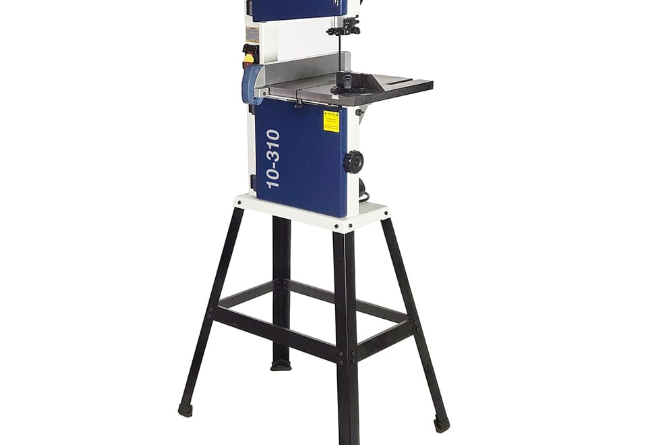
How To Evaluate The Structural Integrity Behind A Band Saw 10 Inch Depth Of Cut
Understanding the Concept of a 10-Inch Depth of Cut in Band Saws
A band saw’s cutting depth sets how far you can go with your ideas or work output. For plenty of woodworkers, the term “band saw 10 inch depth of cut” feels like a key mark for real resawing strength. But that number alone misses a lot. The true worth comes from how this capacity works with blade setup, frame build, and the way you handle it.
Defining Depth of Cut and Its Role in Resawing
Depth of cut means the biggest vertical space from the table top to the upper blade guide. It shows the thickest board or block you can cut in a single go. In resawing, this size decides if you can split a 9-inch slab into two even veneers. Or, it might mean you have to change your plan. In careful woodworking, picking a saw that fits your project stops you from pushing the tool too hard. It also keeps your work accurate.
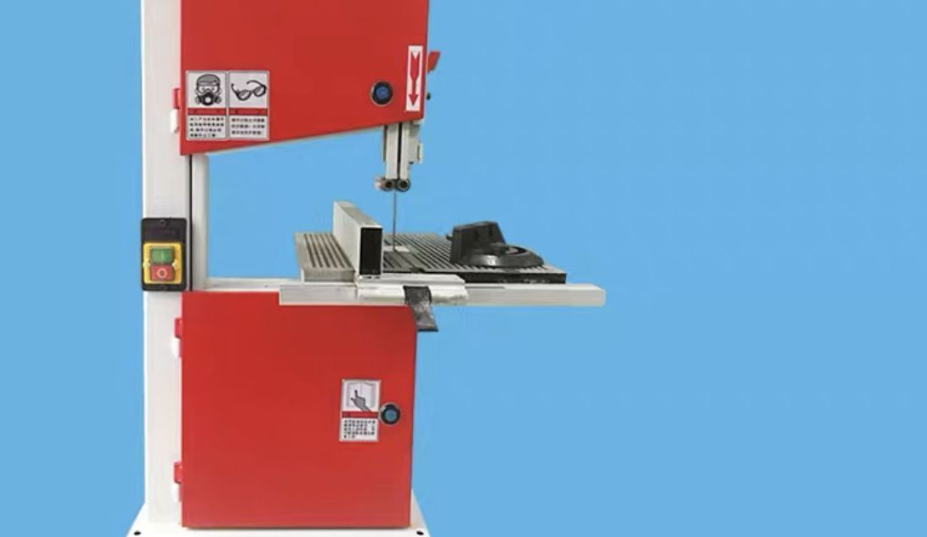
How Depth of Cut Impacts Machine Design and Performance
A bigger cutting depth calls for stronger build supports. As the height grows, keeping the blade steady gets tougher. That’s because longer open blade parts boost shakes and wandering risks. Saws with a real 10-inch depth usually have solid cast frames. They include tension setups that manage wide blades well. Plus, they have motors that hold steady power through tough hardwoods. If these parts don’t match up right, a big saw can still make rough cuts. I’ve seen shops where folks skip this balance, and their work ends up wavy.
Evaluating Whether a 10-Inch Depth of Cut Is Necessary
It makes sense to want a machine that tackles tall wood pieces. Still, larger size doesn’t always mean better resawing results.
Common Misconceptions About Larger Depth Capacities
Lots of woodworkers think more height clearance brings smoother cuts or quicker work. But in truth, extra space just raises the price and takes up more room. It doesn’t always boost accuracy. Things like blade sharpness, right tension, and straight setup matter way more than plain size. Take a tuned 8-inch saw with a fresh carbide blade. It can beat a weak 10-inch one on most wood for tables or chairs. From my time in a small shop, we stuck with that setup for years and got fine results.
Matching Depth Capacity to Material Needs
Most panels for cabinets or furniture parts stay under 6 to 8 inches thick for resaw jobs. Only special tasks, like making backs for guitars or custom thin sheets, really need a full 10-inch depth of cut. Think about it before you buy bigger. How often do you deal with wood thicker than what your saw handles now? If it’s just now and then for tall pieces, you might not need to spend on new gear. In one project I recall, we flipped the wood halfway and managed with less height—no big deal.
Factors That Influence Precision Beyond Depth of Cut
You can have lots of space under the guides, but sharp work relies on other machine and user parts. These shape how well your saw runs on various jobs.
Blade Selection and Configuration
Key Blade Variables for Accurate Resawing
Your pick of blade changes the cut’s smooth look and how you guide it. The tooth shape handles wood chips. Wider blades stay on track better with tall wood. Proper pull keeps wandering low on long slices. For instance, a ¾-inch blade with three teeth per inch gives firmness and strong push for deep work. At the same time, it keeps surfaces even for thin sheet tasks. We once tried a thinner blade on oak, and it wandered a bit—lesson learned to match the width.
Frame Rigidity and Wheel Alignment
Structural Integrity’s Role in Maintaining Accuracy
The frame’s solid build counts more than people notice. A tough cast-iron body soaks up shakes. It stops them from messing up your cut path. Even wheels make sure the blade follows the same line as you raise the guides for big pieces. If the top and bottom wheels don’t line up, you get slanted slots. One edge might scorch a touch. That’s a small issue, but it ruins matched wood pairs. In busy shops, checking this weekly saves headaches.
Motor Power and Feed Rate Control
Balancing Power Output with Cutting Resistance
Slicing hard woods at top height needs engine strength that fights back the push. A good motor keeps your push speed even. It doesn’t slow in the middle of a cut. Speed options let you tweak for the wood type or how wet it is. But too much force without good pull can send blades off course under weight. Instead of clean slices, you get crooked lines. Picture cutting walnut at full speed without checks—things heat up fast.
Practical Alternatives to a 10-Inch Depth of Cut Setup
Not every workspace must buy big machines at once. You can push your current tools further in safe ways. And keep the work precise.
Optimizing Existing Equipment for Deep Resawing Tasks
Techniques for Maximizing Standard Band Saw Capacity
Put on an extra side guide for better side hold on tall boards near the top limit. Blades with slim cuts lower the fight, so small engines run smoother on thick wood. Place the guide arms right above the wood top. This cuts down on wobbles by making the free blade shorter. It’s an easy fix that boosts cut quality right away. I’ve done this in a garage setup, and it turned okay resaws into great ones without spending much.
When Upgrading Equipment Becomes Justified
Assessing Performance Limitations Objectively
If your saw can’t hit close standards even after good care, moving up might help. Look at full costs next to work gains. Will quicker cuts or less sanding pay back the buy? Sometimes, mix fixes like adding height blocks to medium saws give middle steps. They avoid full new costs. For example, a $100 riser kit doubled our height once, and we handled 10-inch jobs on an old 14-inch saw.
Engineering Considerations Behind Large-Capacity Band Saws
Saws that truly reach 10-inch depths deal with special build issues. These tie to how stress spreads and stays steady over time.
Mechanical Stress Distribution in High-Capacity Designs
Why Frame Geometry Matters at Greater Heights
When guide arms stretch taller, pull forces grow at join spots in the frame. Stronger turn bases keep the table straight under big loads. That happens when wide boards lean on side guides during resaw runs. Smart shape design holds bend low. So the slot width stays the same from start to end on big wood chunks. In heavy use, like cutting 20 boards a day, this setup prevents cracks over months.
Thermal and Vibration Management During Extended Cuts
Maintaining Stability Across Long Cutting Cycles
Non-stop work heats the blade strip. This can shift pull if you don’t watch it. Top saws use stuff or pads that take shakes before they twist the blade path as time goes on. Check and fix setup often after long runs. It brings guides and wheels back in line. This care matters if you cut thick wood lots in a row. One time, after a full day on pine, we adjusted and avoided burns on the next batch.
Determining the Optimal Setup for Precision Resawing Applications
Deciding on regular or big-depth saws comes down to mixing ability with your skills and how often you do the work. Not just chasing big specs.
Integrating Machine Capability with Operator Technique
Achieving Consistent Results Regardless of Saw Size
The user’s grip often beats machine height for clean thin sheets or paired boards. Even push stops too much heat. Spot-on side guide placement stops lines from straying in the middle. Daily looks—like blade path tweak, guide square check, and roller adjust—keep basic saws at pro levels each day. It’s like driving a car; regular tune-ups make it reliable, no matter the model.
Establishing Criteria for Equipment Selection
Balancing Technical Specifications with Real Project Demands
Before you pick a big one, study the real sizes of wood you cut most in your jobs. Put strength, engine build, and line accuracy first over big claims like “band saw 10 inch depth of cut.” The tool should fit how much you make, just as much as size needs. If not, the extra power sits unused most times. In my experience with friends’ shops, matching this way saves money and frustration long-term.
FAQ
Q1: What does “band saw 10 inch depth of cut” actually mean?
A: It refers to the vertical distance between the table surface and upper blade guide—the maximum thickness material you can slice through in one pass.
Q2: Do I need a full 10-inch capacity for typical woodworking projects?
A: Most furniture or cabinet work rarely exceeds eight inches; unless you frequently process oversized slabs or veneers, smaller capacities usually suffice.
Q3: Can blade choice improve results more than increasing depth capacity?
A: Yes, sharper wide blades with correct tooth geometry often deliver smoother finishes than simply upgrading machine size alone.
Q4: How do I know when my current band saw has reached its limit?
A: If consistent alignment issues persist despite maintenance—or if feed rates stall during dense cuts—it may indicate structural or power limitations worth addressing through an upgrade.
Q5: Are riser blocks a good alternative to buying a new large-capacity band saw?
A: For many users they are; riser kits extend existing machines’ cutting height affordably while preserving familiar operation characteristics without major reinvestment.