
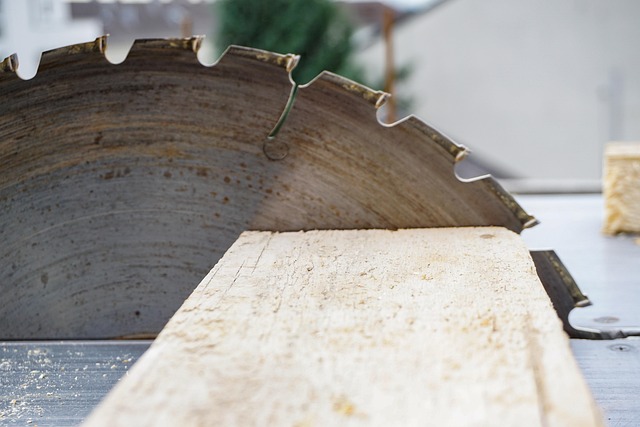
How to Make Storage Box for Power Saw Blades That Maximizes Tool Life
How to Make Storage Box For Power Saw Blades
Proper storage for power saw blades is not just a matter of organization but a key factor in preserving their precision and lifespan. A well-designed storage box minimizes corrosion, mechanical stress, and accidental damage during transport or daily use. The best approach combines controlled environmental factors, durable materials, and ergonomic design. In practice, professionals who handle multiple blade types—ranging from fine-tooth woodworking blades to carbide-tipped metal cutters—benefit from modular systems that protect edges while allowing quick identification and retrieval.
The Importance of Proper Storage for Power Saw Blades
The longevity of power saw blades depends heavily on how they are stored between uses. Even the most expensive blade can lose its edge prematurely if exposed to moisture or stacked carelessly. The following sections explore the physical and environmental principles behind effective storage.
The Relationship Between Storage Conditions and Blade Longevity
Improper storage often leads to corrosion, warping, or dulling of cutting edges. Temperature fluctuations expand and contract metal surfaces, while high humidity promotes oxidation. In workshops lacking climate control, blades can develop micro-rust along the teeth within weeks. Controlled environments—where temperature and humidity remain stable—help maintain balance and sharpness. For instance, a dry cabinet with silica gel packets can extend usable life by 30% compared with open-shelf storage.
Common Issues Caused by Poor Storage Practices
Stacking blades directly together creates surface abrasion that dulls fine edges before they even reach the saw arbor. Contact with moisture or stray metal filings accelerates rust formation along gullets and tooth tips. Disorganized blade piles also risk chipping carbide inserts when tools are retrieved hastily. Over time, these small damages accumulate into performance losses noticeable in cut quality and vibration levels.
Designing a Storage Box That Enhances Blade Protection
Designing an effective box for power saw blades requires balancing strength with convenience. Material selection influences both protection level and portability.
Selecting the Right Materials for the Box
Plywood or MDF panels offer excellent dimensional stability at reasonable cost. High-density plastics resist moisture better than wood-based panels, making them ideal for damp environments like construction sites. Applying non-corrosive coatings on internal surfaces prevents chemical reactions with steel alloys used in blades. Lightweight aluminum frames can be added to reinforce corners without adding excessive bulk.
Structuring Internal Compartments for Blade Safety
Inside the box, each blade should rest in its own compartment or slot to prevent contact with others. Foam or rubber linings absorb vibration during transport and reduce edge chipping. Adjustable dividers accommodate different diameters—from compact 5-inch trim saws up to 14-inch industrial cutters—ensuring snug fit regardless of size variation.
Engineering Considerations for Long-Term Durability
Beyond basic protection, structural design determines how well the box performs after years of use under workshop conditions.
Ventilation and Moisture Control Mechanisms
Ventilation holes positioned near the lid allow airflow while blocking dust ingress through fine mesh screens. Including desiccant holders inside helps regulate humidity levels below 50%, which minimizes corrosion risk on carbon steel blades. Anti-rust papers or vapor corrosion inhibitors (VCIs) can further safeguard against oxidation during long-term storage.
Reinforcement and Load Distribution Design Principles
Reinforced corners improve rigidity when several boxes are stacked in tool trucks or warehouse shelves. Even weight distribution prevents warping of panels under load stress—a common problem when heavy circular blades press unevenly on one side. Metal hinges and latches keep alignment consistent even after hundreds of opening cycles.
Optimizing Accessibility and Workflow Efficiency
An efficient storage system saves time during setup changes on site or in production lines where multiple blade types are used daily.
Labeling and Organization Strategies for Quick Identification
Clear labeling eliminates guesswork during tool swaps. Engraved or printed tags listing diameter, tooth count, and material type speed up selection under tight deadlines. Color-coded labels—for example blue for wood-cutting blades, red for metal-cutting—simplify sorting at a glance. Transparent lids provide instant visual confirmation without opening each case.
Ergonomic Features for Safe Handling and Transport
Integrated handles positioned at balance points reduce wrist strain when carrying heavy sets of blades across job sites. Locking mechanisms secure contents during vehicle transport over rough terrain. Compact modular designs allow stacking multiple boxes vertically in limited workshop spaces without tipping hazards.
Maintenance Practices to Extend Storage System Life Cycle
Even the best-built box requires periodic care to maintain its protective qualities over time.
Regular Inspection and Cleaning Protocols
Inspect interior linings regularly for wear marks or embedded debris that could scratch blade surfaces. Clean all compartments using non-abrasive cleaners; solvents may degrade foam linings over time. Replace damaged seals promptly to prevent dust infiltration that could settle on cutting edges.
Environmental Monitoring for Consistent Protection
Installing small humidity sensors provides real-time feedback about internal conditions, allowing quick action if moisture rises unexpectedly after rainstorms or seasonal changes. Boxes should be stored away from direct sunlight or heaters since prolonged heat exposure can warp plastic panels slightly out of square alignment.
Integrating Smart Features for Advanced Tool Management
As digital systems become standard across workshops by 2026, smart tracking features offer measurable benefits beyond traditional organization methods.
Digital Tracking Systems for Inventory Control
Embedding RFID tags or QR codes on each slot allows precise tracking of blade usage history through workshop management software. This data supports predictive maintenance scheduling—identifying which blades require sharpening before failure occurs—and reduces downtime due to missing tools.
Automation Enhancements for Next-Level Efficiency
Large facilities may adopt motorized drawers controlled via touchscreen interfaces that bring selected blades forward automatically based on job order input from CNC terminals. Sensor-based alerts notify users if temperature or humidity exceed safe thresholds inside storage units. IoT-enabled systems synchronize with CNC machine logs to record exact cutting hours per blade set, offering a complete lifecycle record from purchase to retirement.
FAQ
Q1: What is the ideal humidity level inside a power saw blade storage box?
A: Around 40–50% relative humidity is recommended to prevent rust without drying out rubber linings or foam inserts.
Q2: How often should desiccants be replaced in sealed boxes?
A: Typically every three months under normal workshop conditions; more frequently in coastal areas with high ambient moisture.
Q3: Can wooden boxes be as effective as plastic ones?
A: Yes, if sealed properly with varnish or epoxy coating; however plastic resists humidity better over long periods.
Q4: What’s the best way to clean resin buildup from stored blades?
A: Use mild solvent-based cleaners specifically designed for saw blades; avoid abrasive pads that could alter tooth geometry.
Q5: Are smart tracking systems worth installing in small workshops?
A: For small setups handling fewer than 20 blades regularly, manual labeling may suffice; digital systems become valuable once inventory exceeds that scale due to efficiency gains in tracking usage cycles.