
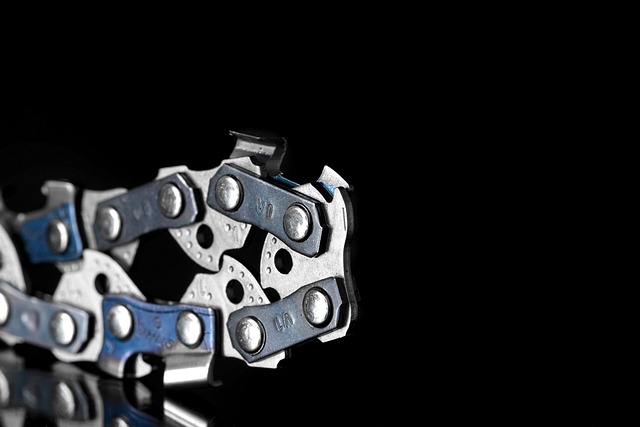
Can a Metal Band Saw Truly Handle Every Material with Precision
New Stihl Battery-Powered Brush Cutter Offers Range of Maintenance Tasks
Battery-powered tools have reshaped professional landscaping. The new Stihl brush cutter represents this shift, combining cordless convenience with commercial-grade strength. Professionals now gain consistent torque, reduced emissions, and quieter operation without compromising runtime. This evolution moves beyond simple electrification; it’s a redefinition of how outdoor maintenance tools perform under pressure.
The Evolution of Battery-Powered Brush Cutters
The transformation from fuel to battery systems has been gradual but decisive. Professionals once relied on two-stroke engines for their raw power, but advances in electric motor design have changed that equation.
Shifting From Fuel-Based to Battery Technology
The transition from gas engines to battery platforms began as environmental and regulatory pressures increased. Early models struggled with limited runtime and torque, yet modern systems deliver equivalent or better cutting strength. Improvements in brushless motor efficiency allow these machines to maintain steady torque output even when tackling thick vegetation. Electrification also eliminates the need for carburetor tuning and fuel mixing, reducing operator downtime and maintenance costs while cutting emissions to zero at the point of use.
Technological Advancements Driving Performance Gains
Performance gains stem from high-capacity lithium-ion batteries that extend working hours significantly compared with older nickel-based cells. Electronic control units now regulate current flow dynamically, preventing overloads while maintaining optimal blade speed. Smart charging systems shorten turnaround time between tasks—some reaching full charge in less than an hour—allowing professionals to operate nearly continuously during long shifts.
Stihl’s Approach to Battery-Powered Maintenance Equipment
Stihl’s engineering approach focuses on balancing durability with precision performance. The company treats electrification not as an add-on but as an integrated design philosophy built around user experience and field reliability.
Overview of Stihl’s Engineering Philosophy
Each Stihl brush cutter is designed for balance and minimal vibration, which reduces fatigue during extended use. The brand’s emphasis on reliability is evident in its sealed electronics that resist dust and moisture ingress, extending tool life in harsh environments. Continuous innovation arises from real-world feedback loops; field data from professional users directly informs design revisions, ensuring consistent improvements generation after generation.
Positioning the Stihl Brush Cutter in the Professional Market
Compared with previous fuel-based models, the battery-powered Stihl brush cutter offers quieter operation and lower total operating costs. Competing brands may match runtime but often fall short in torque consistency under heavy load. Its target users include landscapers managing municipal spaces and forestry crews performing edge clearing where noise restrictions apply. These applications align closely with sustainability mandates increasingly adopted by public maintenance departments worldwide.
Key Features of the Stihl Brush Cutter Redefining Efficiency
Efficiency in modern brush cutters depends on how intelligently they manage energy and ergonomics together. Stihl’s latest design integrates both aspects seamlessly.
Powertrain and Energy Management System
At its core lies a high-efficiency brushless motor that maintains constant torque regardless of vegetation density. An intelligent energy management system distributes power precisely where needed—conserving charge when trimming grass yet delivering peak output through dense undergrowth. Cross-compatibility across multiple Stihl tools allows operators to swap batteries effortlessly, improving workflow flexibility across job types.
Ergonomics and User-Centered Design Innovations
Weight distribution plays a crucial role in operator comfort. The new model’s center of gravity is calibrated for natural arm movement, reducing strain during prolonged cutting sessions. Adjustable handles accommodate different body sizes and working angles, while harness systems stabilize tool motion on uneven terrain. Noise reduction measures make it suitable for early morning or urban operations without breaching local sound limits.
Operational Performance Across Maintenance Scenarios
Real-world performance defines whether battery tools can truly replace combustion counterparts. Field tests show notable gains in precision, runtime consistency, and usability across diverse vegetation conditions.
Precision Cutting in Varied Vegetation Conditions
The stihl brush cutter adapts automatically between fine trimming and heavier brush removal through electronic speed regulation that maintains clean cuts while conserving energy reserves. Multiple attachment options—from nylon line heads to metal blades—expand its versatility across seasonal maintenance tasks such as verge trimming or invasive weed control.
Runtime, Charging Efficiency, and Field Productivity Metrics
Under moderate load conditions typical of municipal work, runtime averages between 60–90 minutes per pack depending on vegetation density. Fast-charging units restore capacity quickly enough to sustain continuous operations using alternating battery sets. Compared with fuel-based equivalents, total daily productivity remains comparable yet with lower vibration exposure and no refueling interruptions—an operational advantage often overlooked until experienced firsthand.
Sustainability and Long-Term Value Considerations
Sustainability extends beyond emission reduction; it encompasses lifecycle economics and workplace impact over years of service.
Environmental Impact Reduction Through Electrification
Battery-powered systems eliminate direct exhaust emissions entirely, contributing to cleaner air quality at job sites—a benefit particularly valuable in enclosed or sensitive zones like parks or schools. Lower acoustic output reduces disturbance to nearby residents and wildlife alike. By minimizing fossil fuel dependency, operators meet growing institutional requirements for green procurement policies without sacrificing capability.
Lifecycle Cost Efficiency for Professional Operators
Over time, professionals recognize tangible savings through reduced maintenance needs: no spark plugs, filters, or carburetors to service means fewer mechanical failures. Electric drivetrains also experience less wear since they lack reciprocating parts common in combustion engines. Predictable electricity costs replace volatile fuel pricing, simplifying budget planning for fleet managers overseeing large-scale groundskeeping operations.
Future Outlook: The Role of Battery-Powered Tools in Professional Maintenance Ecosystems
As digital integration accelerates across industries, outdoor equipment is evolving toward connected ecosystems that monitor performance remotely while optimizing asset utilization.
Integration With Smart Fleet Management Systems
Emerging fleet management platforms already collect usage data from connected tools via embedded sensors tracking voltage cycles and temperature trends. Predictive analytics can flag potential issues before breakdowns occur, scheduling maintenance proactively rather than reactively—a key advantage for contractors managing dispersed crews across multiple sites.
Advancements Expected in Next Generation Brush Cutters
Future iterations will likely feature lighter composite materials combined with higher energy density cells that reduce overall weight without compromising endurance. Research into AI-assisted power modulation could enable automatic torque adjustment based on detected resistance levels within milliseconds, further improving efficiency during variable workloads. Modular tool platforms may expand compatibility across hedge trimmers or blowers within unified professional ecosystems—streamlining inventory management while enhancing operational adaptability.
FAQ
Q1: How long does the new Stihl brush cutter run on a single charge?
A: Under standard trimming conditions it typically operates for about one to one-and-a-half hours per battery pack depending on vegetation thickness.
Q2: Can the same battery be used across other Stihl tools?
A: Yes, most current professional models share compatible lithium-ion batteries designed for cross-tool flexibility within the same voltage class.
Q3: Is the power output comparable to gas-powered versions?
A: Modern brushless motors deliver similar torque levels while maintaining constant speed under load without the lag common in combustion engines.
Q4: What kind of maintenance does a battery-powered unit require?
A: Routine cleaning of air vents and inspection of cutting attachments are usually sufficient since there are no fuel components or spark plugs involved.
Q5: Are these models suitable for municipal operations with noise restrictions?
A: Absolutely; their low acoustic signature meets urban compliance standards making them ideal for early-morning or residential area work.