
How Do You Find Heavy Equipment for Sale Without Paying for Someone Else’s Problems
Why Does Heavy Equipment for Sale Need a Smarter Buying Plan?
When you look for heavy equipment for sale, the first search page can seem easy enough. You see excavators, loaders, dozers, trucks, and attachments listed with prices and hours. The harder part comes after that. A machine with a low price today can become a repair job next month, while a higher-priced unit with clean records may stay on work for years. If you buy machinery for construction, mining support, road work, yard handling, or plant maintenance, start with a clear buying plan and check related machine categories in Equipment & Machines before you compare listings.
The market has activity, but it is not the same across every machine type. The U.S. Census Bureau reported May 2026 construction spending at a seasonally adjusted annual rate of $2,210.2 billion, with public construction at $541.2 billion and highway construction at $150.6 billion. That says there is real work in the field, but it also reminds buyers to match the machine to their jobs instead of following market talk. (census.gov)
Job Scope Comes First
Write down the jobs the machine has to do in plain words. Digging utility trenches, loading aggregate, pushing fill, grading roads, lifting pallets, feeding crushers, and clearing sites do not call for the same machine. A 20-ton excavator can be a good fit for pipe work, but it may be awkward on tight landscaping sites. A compact track loader can work well on small jobs, yet it may waste time on long moves over rough ground.
Total Ownership Cost Beats Sticker Price
The selling price is only the starting point. Add wear parts, tires or tracks, buckets, teeth, filters, oil, fuel, insurance, storage, operator training, telematics fees, and downtime risk. If a machine saves $12,000 at purchase but needs a hydraulic pump and undercarriage work soon after delivery, the deal changes fast. A basic spreadsheet is enough here, as long as the numbers are honest.
Buying Window and Machine Availability
Plan the purchase around your work schedule. If you need a wheel loader for snow, waiting until the first storm usually leaves you with fewer good choices. If a project starts in six weeks, freight delays and financing paperwork matter. Buying late often pushes you toward whatever is available, and that is when small mistakes get missed.
Which Market Signals Tell You It Is a Good Time to Buy?
Heavy equipment prices move with construction demand, dealer inventory, interest rates, export demand, and machines coming out of fleets. You do not need to study the whole economy, but a few signals are worth checking before you spend money. The point is to avoid paying the wrong price for a reason that does not fit your work.
Construction Spending and Project Backlogs
Strong project activity supports demand for excavators, loaders, graders, pavers, cranes, and trucks. AEM reported in May 2026 that global construction output growth for 2026 had been revised to 1.52%, with projected growth of 1.1% in the U.S. and 2.6% in Canada. The same update noted that construction equipment had been reaccelerating while agricultural equipment remained weaker. For buyers, the takeaway is plain: construction-related machines may hold value better than categories with slower demand. (aem.org)
Auction Price Behavior
Ritchie Bros. reported that Q1 2026 U.S. auction pricing was mixed compared with Q1 2025. Aerial equipment, telehandlers, and forklifts declined in price partly because more units were available. Earthmoving categories mostly showed strength. Dozers, excavators, motor graders, and articulated dump trucks had higher sales volumes while maintaining or improving median prices in the U.S. and Canada. If you are bidding on those earthmoving machines, be ready for other serious buyers. (blog.ritchiebros.com)
Regional Supply and Freight
A machine 900 miles away can still be worth buying, but freight can remove the savings. Get a transport quote before you bid. Check width, height, weight, permits, escort needs, loading access, and whether attachments can move on the same trailer. A buyer in Texas looking at a loader in Ohio may see a fair price, then lose the benefit through hauling cost and schedule gaps.
How Should You Inspect Used Heavy Equipment Before Bidding?
A proper inspection turns a listing into a real buying decision. Photos help, and videos are better, but they are still not the same as a step-by-step check. If you cannot inspect in person, hire a local heavy equipment mechanic. That fee can keep you away from warm-start tricks, hidden leaks, weak pumps, or a worn undercarriage.
Service History and Fluid Checks
Ask for service records, repair invoices, fluid analysis, hour meter photos, and serial number confirmation. Caterpillar’s certified used inspection guidance says inspectors review machine configuration, service and repair history, fluid sampling results, electronic control modules, service codes, and undercarriage wear with proper tools. That list is useful even if the machine is not a Cat machine. It gives you a good inspection pattern to follow.
Undercarriage, Tires, and Ground Tools
Undercarriage work can be one of the largest costs on tracked equipment. Check links, pins, bushings, rollers, idlers, sprockets, track shoes, tension, and side wear. For wheeled machines, look at tire cuts, mismatched brands, uneven wear, rim damage, and valve stems. Buckets, blades, teeth, cutting edges, and couplers also show how the machine was used. A new-looking bucket on a tired machine is not proof of good maintenance.
Cold Start and Operating Tests
Ask for a true cold-start video, not a machine that has already been warmed up. Watch smoke, cranking time, warning lights, idle quality, and any knocking noise. After warm-up, run every hydraulic function. Lift, curl, swing, travel, steer, brake, and reverse should all be checked. If the seller avoids a full test, slow down. That uncomfortable pause is often cheaper than ignoring a warning sign.
What Machines Should You Compare Before You Choose?
Many buyers begin with one machine in mind, then find out another class fits the job better. A skid steer, compact track loader, backhoe, mini excavator, wheel loader, and telehandler can overlap on some work, but they are different in cost, speed, reach, stability, and repair risk. Compare them by actual output on your job. Brand preference matters, but it should not be the only reason you buy.
Excavators for Digging and Utility Work
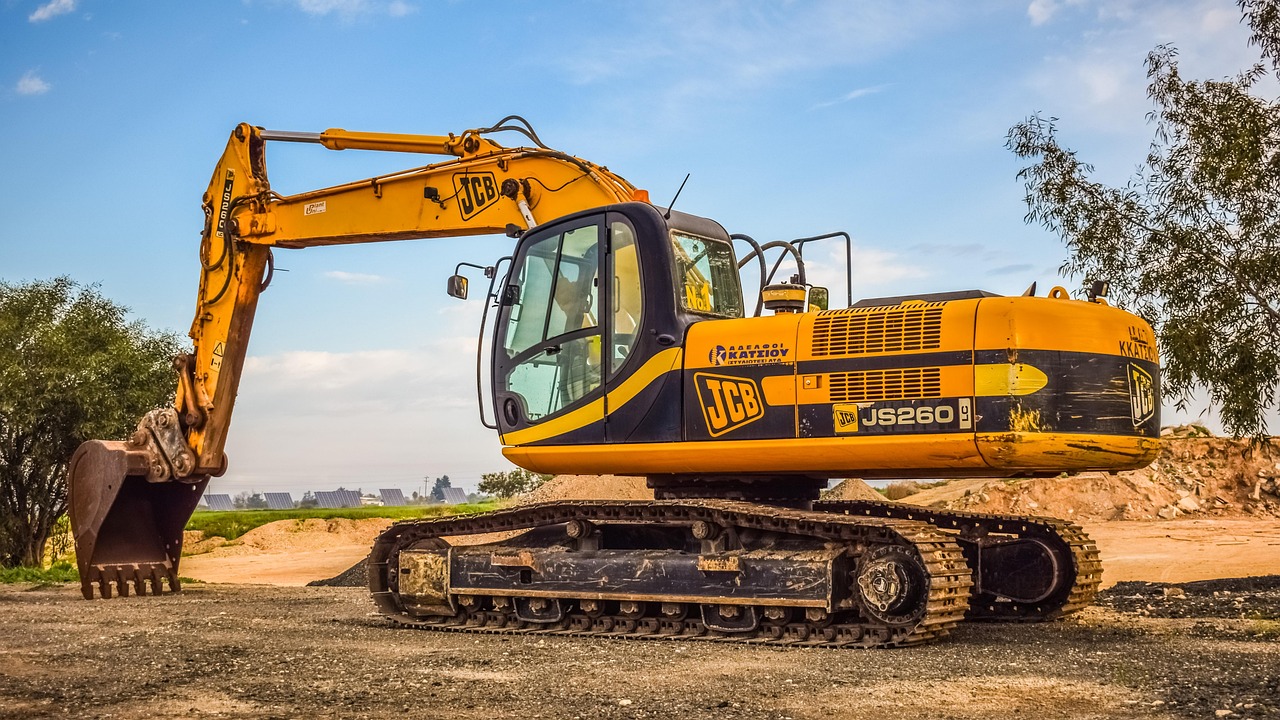
Excavators suit trenching, demolition, drainage, foundations, land clearing, and material handling when the right attachment is installed. Check boom and arm cracks, pin play, swing bearing movement, final drives, track motors, hydraulic speed, and auxiliary lines. For a contractor doing pipe work, a machine with a hydraulic thumb and quick coupler may earn more than a cleaner unit without those features. The attachment setup can make a big difference in daily production.
Wheel Loaders for Yard and Material Work
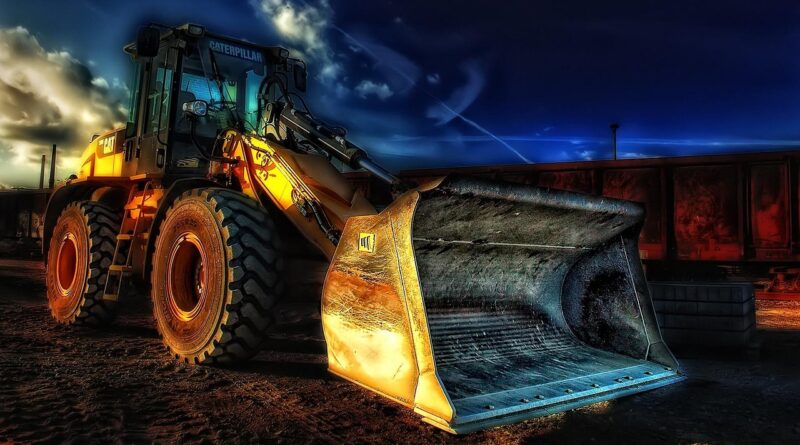
Wheel loaders are common in quarries, concrete plants, asphalt yards, ports, farms, recycling sites, and snow work. Focus on transmission shifts, articulation joint play, bucket pins, brake feel, cooling package condition, and tire life. If the loader will work in dusty material, pay close attention to the radiator and cooling stack. Overheating stops production in a simple but costly way.
Dozers and Motor Graders for Site Prep
Dozers are made for pushing, ripping, spreading, and rough grading. Motor graders are used for road shaping, shoulder work, finish grade, and maintenance. On dozers, inspect the blade, C-frame, trunnions, ripper mounts, steering response, and undercarriage. On graders, check moldboard wear, circle play, articulation, tandems, hydraulics, and cab controls. Loose parts show up fast when the job calls for precision. See also: CNC Machining.
Where Can Buyers Get Better Value With Less Risk?
The best buying channel depends on your risk tolerance, budget, timeline, and mechanical knowledge. A dealer machine may cost more, but it can come with records and support. An auction may bring a lower price, but decisions move fast. Direct seller deals can be good too, as long as inspection and paperwork are handled carefully.
Authorized Dealers and Certified Units
Dealers often fit buyers who need financing, warranty options, parts access, and after-sale help. Certified machines usually go through a tighter checklist, and the paperwork is easier to follow. This channel makes sense when uptime matters more than saving the last dollar on the purchase price. It also helps buyers who do not have their own mechanic ready.
Auction Sales and Online Marketplaces
Auctions can give you a wider machine pool and a clear view of current pricing. Set your top number before the sale starts, including buyer fees, freight, taxes, and repairs. Do not chase one machine just because the cab looks clean or the paint shows well in photos. There will be another excavator. There is always another excavator.
Direct Sellers and Fleet Packages
Direct purchases from contractors, rental fleets, plants, or municipalities can work well when the records are clean. Fleet packages may include attachments, spare tires, buckets, service tools, or manuals. Check liens, ownership documents, serial numbers, and export documents if the machine crosses borders. Do this before sending full payment, not after the truck is booked.
How Do Financing, Transport, and Safety Change the Real Price?
The final cost is rarely the number shown in the listing. Financing terms, freight, compliance, insurance, site readiness, and start-up checks all change what the machine really costs. A careful buyer slows down at this stage. It is not the fun part of buying equipment, but many bad deals are found here.
Finance Cost and Cash Reserve
Compare the monthly payment with expected machine income or cost savings. Keep a repair reserve, especially for older equipment. If a machine uses all available cash, one failed cylinder or final drive can stop the job. A practical approach is to leave money for immediate service: fluids, filters, hoses, grease, belts, batteries, and small safety fixes.
Freight, Import Paperwork, and Site Access
Confirm loading hours, ramp availability, port or border needs, customs documents, emissions labels, and delivery access. A lowboy stuck at your gate because the road is too narrow is a poor start. If you are importing, match the serial plate, engine label, bill of sale, and customs paperwork before money moves. Small document errors can delay delivery and add storage costs.
Safety and Start-Up Checks
Before the machine starts paid work, inspect service brakes, parking brake, tires, coupling devices, seat belts, horn, steering, operating controls, reverse alarm, rollover protection, lights, reflectors, wipers, and fire extinguishers. OSHA states that vehicles used at the beginning of each shift must be checked for safe operating condition and defects corrected before use. That guidance also fits purchase start-up. It is better to catch a safety problem in the yard than on a live job. (osha.gov)
FAQ
Q1: What Is the Best First Step When Looking for Heavy Equipment for Sale? A: Start with the job scope, machine size, attachment needs, budget, and delivery deadline. Then compare listings that match the work, not only the lowest price.
Q2: Are Low-Hour Machines Always Better? A: No. Low hours help, but service history, idle time, storage conditions, fluid results, and wear measurements matter more. A well-kept higher-hour machine can be safer than a neglected low-hour unit.
Q3: Should You Buy From a Dealer or an Auction? A: Choose a dealer if you need support, records, financing, or warranty options. Choose an auction if you can inspect well, set a hard bid limit, and accept more risk.
Q4: What Repair Risk Should You Check First? A: Check undercarriage or tires, hydraulics, engine condition, transmission or final drives, structural cracks, and electronic fault codes. These areas can change the real cost quickly.
Q5: How Much Extra Budget Should You Keep After Purchase? A: Keep enough for transport, taxes, immediate service, minor repairs, attachments, operator setup, and safety fixes. The exact amount depends on machine age and condition, but leaving no reserve is risky.