
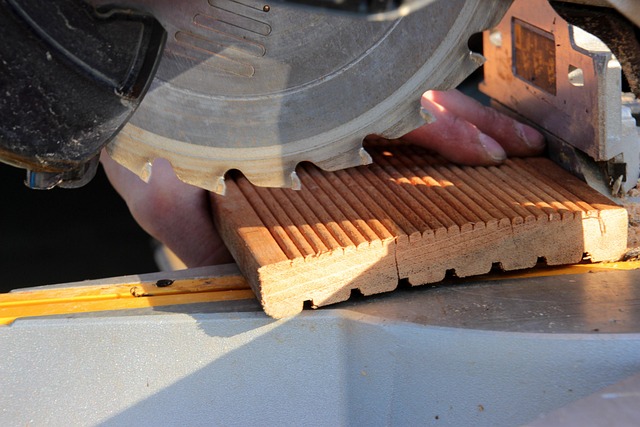
Is Evolution Chop Saw the Right Choice for Precision Metal Cutting
The Best Band Saws of 2026, Tested and Reviewed
The 2026 lineup of portable band saws marks a turning point in precision cutting technology. Field tests show that next-generation models are not only faster but also far more accurate than their predecessors. Digital calibration, brushless motors, and intelligent sensors have transformed how professionals approach on-site metal and wood fabrication. The best models now combine industrial-grade power with compact portability, setting a new benchmark for both reliability and control.
The Evolution of Portable Band Saws in 2026
Portable band saws have evolved from basic handheld tools to digitally enhanced precision machines. The shift reflects broader trends in manufacturing automation and compact power systems.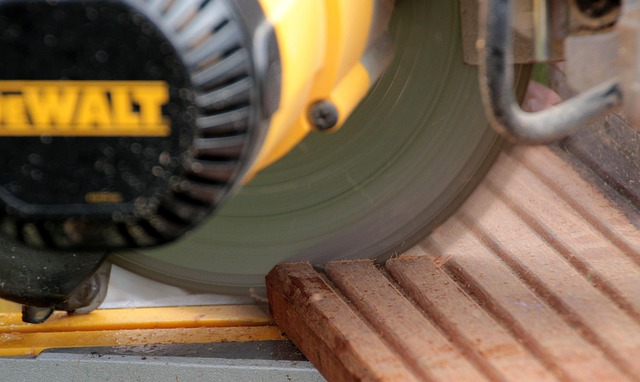
Technological Advancements Driving Precision
Digital calibration systems now play a critical role in achieving consistent accuracy. These systems automatically adjust blade alignment, reducing human error during setup. Brushless motors dominate the 2026 market because they provide smoother torque delivery, longer service life, and lower maintenance needs. Smart sensors continuously monitor blade tension and speed, making real-time corrections that prevent drift during long cuts.
Material and Design Innovations
Manufacturers increasingly use lightweight magnesium frames to cut down on vibration while maintaining rigidity. This material choice allows operators to achieve cleaner cuts with less fatigue. Ergonomic handle designs with rubberized grips enhance comfort during extended use, particularly in vertical or overhead positions. Compact form factors make it easier to maneuver the saw in tight construction zones or industrial workshops where space is limited.
Evaluating Precision Performance in Modern Portable Band Saws
Precision remains the defining metric for professional users comparing portable band saws. To measure this performance accurately, experts rely on standardized testing protocols involving multiple materials and load conditions.
Metrics Used to Assess Precision
Blade tracking stability under variable loads indicates how well the saw maintains its path when cutting dense metals or composite materials. Tolerance levels achieved in repetitive cut tests reveal mechanical consistency across production units. Experts also assess the uniformity of cut quality across different thicknesses—a critical factor for fabrication shops requiring repeatable results.
The Role of Blade Technology in Accuracy Enhancement
Advanced bi-metal and carbide-tipped blades dominate professional applications due to their superior edge retention. Variable tooth pitch designs allow smoother transitions when cutting mixed materials such as stainless steel tubing followed by aluminum profiles. Quick-change blade systems further reduce downtime between operations, improving overall workflow efficiency on job sites.
Power, Speed, and Control: Core Factors Influencing 2026 Models
Power output and control responsiveness define user experience with any portable band saw. Engineers have focused on optimizing motor efficiency while refining electronic control interfaces for better adaptability.
Motor Efficiency and Power Output Trends
Cordless models now rival corded units thanks to high-voltage lithium systems capable of sustaining peak performance throughout demanding tasks. Voltage upgrades directly translate into deeper cuts without bogging down under load. Adaptive power management circuits automatically balance energy consumption based on resistance feedback from the material being cut.
Variable Speed Controls and Their Effect on Cut Quality
Electronic speed regulation keeps feed rates steady even when material density changes mid-cut. Multi-speed presets let users quickly switch between wood, metal, or composite settings without manual recalibration. Some premium models integrate digital displays showing exact blade speed values—useful for maintaining precision across multiple job specifications.
Durability and Maintenance Improvements in 2026 Portable Band Saws
Durability has become as important as precision for heavy-duty users who depend on reliable tools daily. New engineering approaches extend lifespan while simplifying maintenance routines.
Structural Enhancements for Longevity
Reinforced housings built from impact-resistant alloys protect internal components from harsh site conditions. Dust-resistant enclosures keep fine particles away from bearings and electronic boards, reducing failure rates over time. Upgraded blade guides provide smoother tracking while minimizing wear even after prolonged operation under high tension.
Maintenance Simplification Through Smart Design Features
Tool-free adjustment mechanisms allow quick setup changes between materials or angles without additional equipment. Modular component assemblies make part replacements straightforward—technicians can swap worn elements within minutes instead of hours. Some models include diagnostic indicators that alert users to maintenance needs before issues cause downtime.
Comparing Leading Portable Band Saw Models of 2026
The competitive landscape among top manufacturers reveals subtle yet significant differences influencing user preference across industries such as metal fabrication, construction, and HVAC installation.
Key Differentiators Among Top Manufacturers
Motor architecture varies widely: some brands prioritize torque density while others emphasize thermal stability for continuous operation. Proprietary features like auto-tensioning or adaptive feedback sensors distinguish premium offerings aimed at professional tradespeople seeking minimal manual adjustment. Weight-to-power ratios continue to influence portability decisions—lighter units remain favored for overhead work despite slightly reduced capacity.
Performance Insights from Expert Testing Data
Independent field tests often expose small deviations between published specifications and real-world outcomes. Ambient temperature fluctuations can affect electronic regulation systems, subtly altering cut accuracy metrics during extended sessions outdoors. Experts note trade-offs between mobility and precision—ultra-light models sometimes sacrifice rigidity that heavier industrial units maintain effortlessly.
The Future Direction of Portable Band Saw Technology Beyond 2026
Looking ahead, innovation will likely focus on connectivity, sustainability, and predictive intelligence rather than raw mechanical improvements alone.
Anticipated Innovations Shaping Next Generation Tools
Integration with IoT ecosystems will enable predictive maintenance analytics that forecast component wear before failure occurs. Enhanced wireless connectivity will allow firmware updates through mobile apps while logging usage data for fleet management purposes. Eco-efficient power solutions—such as recyclable battery packs or hybrid energy recovery systems—are expected to align with global sustainability goals promoted by organizations like ISO and IEA.
Implications for Professional Fabrication and Construction Fields
Improved tolerance control will accelerate adoption within high-precision metalworking sectors where every micron counts. Modular construction workflows stand to benefit most from increased portability combined with digital accuracy monitoring tools. These advancements may eventually redefine calibration standards established by industry bodies such as IEC or ASTM, shaping future certification requirements for portable cutting equipment worldwide.
FAQ
Q1: What makes a portable band saw different from a stationary one?
A: A portable band saw is designed for mobility and field use, allowing operators to perform precise cuts without fixed installations typical of stationary machines.
Q2: Are brushless motors really worth the higher cost?
A: Yes, brushless motors deliver better torque consistency, longer lifespan, and reduced heat buildup compared to traditional brushed designs.
Q3: How do smart sensors improve cutting accuracy?
A: Smart sensors monitor blade tension and speed continuously, adjusting parameters automatically to maintain straight cuts even under variable loads.
Q4: Which materials can modern portable band saws handle effectively?
A: Current models can cut through steel pipes, aluminum channels, PVC tubing, wood beams, and composite panels with equal precision thanks to variable tooth blades.
Q5: What should professionals look for when buying a 2026 model?
A: Key factors include motor efficiency rating, frame weight balance, digital calibration options, quick-change blade system availability, and verified tolerance performance data from independent tests.