
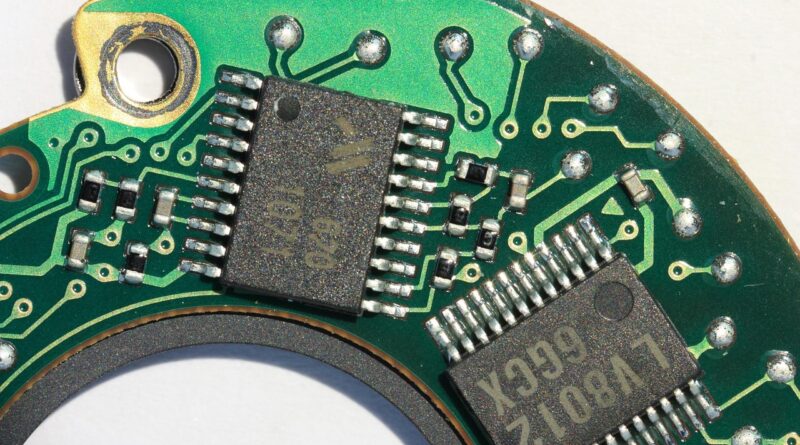
PCB surface finish selection guide for solderability, cost and reliability
What a PCB surface finish does
A PCB surface finish protects exposed copper after fabrication and provides the solderable or bondable interface used during assembly. Selection is less about appearance than about pad geometry, component pitch, lead-free reflow exposure, storage time, contact requirements, signal performance and reliability risk.
For many standard SMT boards, ENIG, OSP, immersion silver, immersion tin and lead-free HASL can all be viable. They do not solve the same problem. ENIG is widely used where flat pads and mixed assembly needs matter. OSP is economical and very flat, but it is more sensitive to handling and timing. Immersion silver offers good solderability and is often reviewed for some high-frequency designs. Immersion tin is flat, but copper-tin diffusion affects storage control. ENEPIG is usually reserved for demanding soldering, contact and wire-bonding requirements.
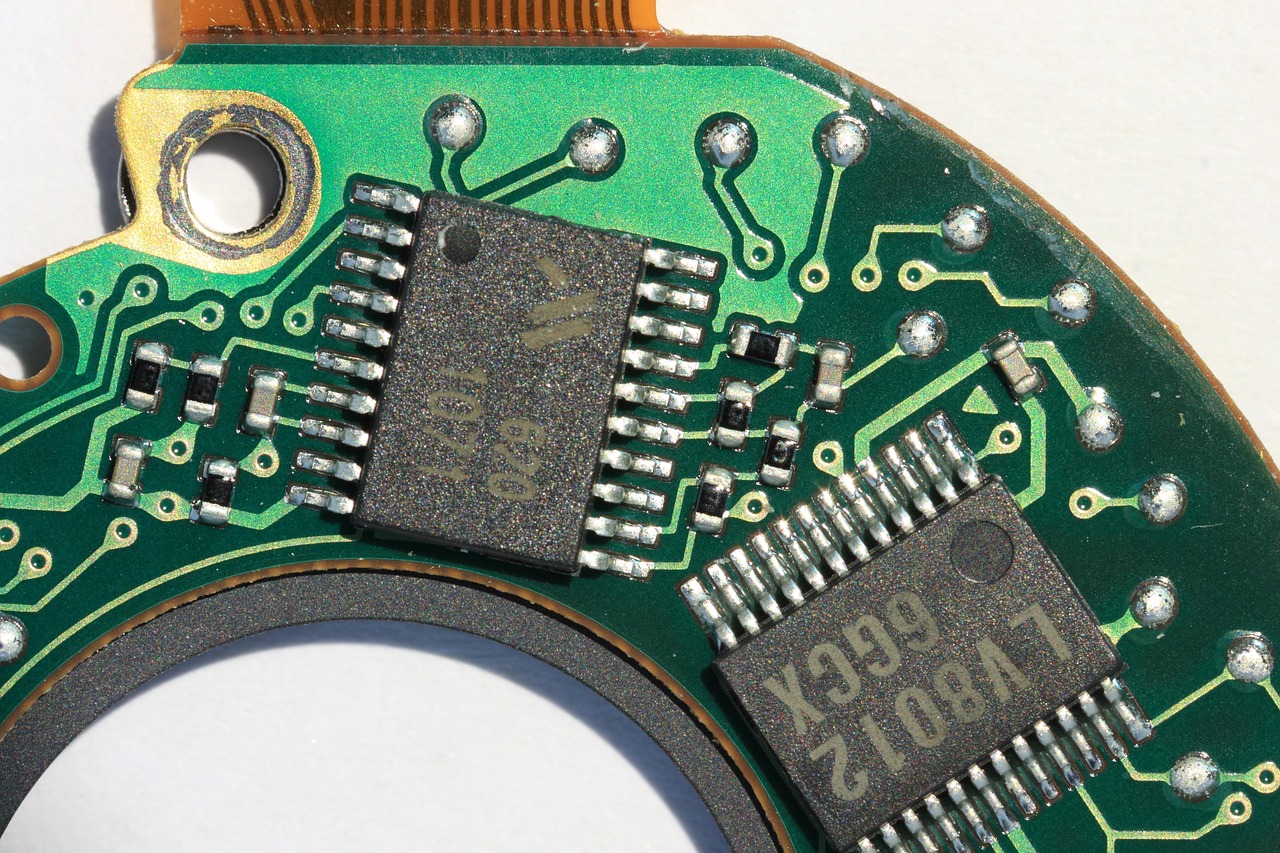
This guide compares the main choices and links surface finish selection to manufacturing risk, not just unit price. For broader process context, see Mechmeld’s surface finishing coverage.
Main PCB surface finish options compared
The term PCB surface finish covers several chemical and metallurgical systems. Each protects copper differently and creates a different interface for solder joints, probes, connectors or wire bonds. The comparison below summarizes the trade-offs engineers typically review before releasing a fabrication drawing.
| Finish | Basic structure | Typical strengths | Key limitations | Common reference |
|---|---|---|---|---|
| Lead-free HASL | Solder coating leveled by hot air | Robust solderability, familiar process, often economical for larger features | Less planar than immersion finishes; less suitable for very fine-pitch pads or dense BGA layouts | Supplier process controls and applicable assembly requirements |
| OSP | Organic coating directly on copper | Very flat, low material cost, no nickel layer, compatible with many lead-free SMT builds when controlled | Single-use finish; sensitive to handling and storage; less forgiving after multiple thermal excursions | IPC-4555 for high-temperature OSP |
| Immersion silver | Thin silver deposit over copper | Flat pads, good solderability, often considered for RF-sensitive designs because it avoids a nickel barrier | Requires careful packaging; sulfur, chlorine, moisture and contamination can tarnish or degrade usable life | IPC-4553A |
| Immersion tin | Tin deposit by displacement reaction on copper | Flat surface, solderable, useful where a tin-compatible interface is desired | Copper-tin diffusion affects storage life and measurement; handling and age control matter | IPC-4554 |
| ENIG | Electroless nickel with immersion gold | Flat, oxidation-resistant, widely specified for SMT, BGA pads, press-fit and some contact applications | Higher cost than OSP or HASL; nickel layer may matter in high-frequency work; process control is critical to avoid nickel corrosion defects | IPC-4552B |
| ENEPIG | Electroless nickel, electroless palladium and immersion gold | Supports soldering and wire bonding; palladium barrier improves robustness versus standard ENIG in demanding applications | Higher process cost and longer process route; often unnecessary for ordinary solder-only assemblies | IPC-4556 |
No single finish is automatically best. The appropriate choice is the lowest-risk finish that supports the board geometry, assembly process, storage conditions and end-use environment. A commodity controller board with large components may not need the same finish as a fine-pitch RF module, a medical electronics assembly or a chip-on-board design.
How to choose by assembly and product risk
Fine-pitch SMT and BGA packages
Planarity becomes more important as pad size shrinks. Uneven solder height can disturb paste volume, stencil release and component seating. For fine-pitch QFNs, BGAs, CSPs and dense SMT layouts, designers often move away from HASL toward flatter options such as ENIG, OSP, immersion silver, immersion tin or ENEPIG.
ENIG is common because it combines pad flatness with a protective gold surface over nickel, but it still depends on a controlled plating process. OSP can also work well for fine-pitch SMT when the assembly window is short and the board will not see repeated thermal cycles before final soldering.
Through-hole and mixed technology boards
For boards with many through-hole joints, connector pins or robust hand-soldered features, lead-free HASL can remain practical when planarity is not the limiting factor. It provides a solder-coated surface that many assembly teams understand well. The drawback is the same property that makes it familiar: the coating is not as flat as immersion finishes.
If a board combines through-hole connectors with fine-pitch SMT, select the surface finish for the most sensitive feature, not the largest pad. A finish that works well on a connector tail may still create risk on a dense BGA footprint.
RF, microwave and high-speed concerns
At higher frequencies, surface finish is not only a solderability decision. Conductors, dielectric system, copper roughness, plating thickness and current distribution can all influence insertion loss and impedance control. Nickel-containing finishes such as ENIG and ENEPIG are convenient and reliable in many digital boards, but some RF designers evaluate immersion silver, OSP or other nickel-free approaches where conductor loss is a critical design constraint.
This is not a universal rule; it is a validation requirement. Test coupons, stackup modeling and fabricator capability should guide the final callout.
Wire bonding, contacts and wear surfaces
Wire bonding and repeated contact use raise requirements beyond normal soldering. IPC-4556 describes ENEPIG as a multifunctional finish for soldering and for gold, aluminum and copper wire bonding. That makes ENEPIG a logical candidate for chip-on-board, hybrid assembly and designs that need both soldered components and bond pads on the same PCB.
Hard gold on edge fingers is a different requirement from immersion gold on ENIG. If the design includes sliding contacts, card-edge connectors or repeated probing, define the contact area separately instead of assuming a general solder finish will handle wear.
Regulated and high-reliability products
Medical, aerospace, defense, automotive and industrial safety products need more than a low-cost finish choice. They need controlled shelf life, documented handling, traceable specifications and acceptance criteria agreed between buyer and supplier. For European Union RoHS-regulated products, lead in electrical and electronic equipment is restricted subject to defined exemptions, so leaded HASL is usually not a default commercial choice.
High-reliability programs should also specify board class, solderability testing expectations and storage rules instead of relying on a purchase order note that only says “gold finish” or “lead-free finish.”
Standards and drawing callouts that prevent ambiguity
Surface finish problems often begin with vague documentation. A drawing note such as “gold plated PCB” can be interpreted in several ways: ENIG, ENEPIG, electrolytic soft gold, hard gold or selective gold over nickel. These finishes differ in thickness, process route, solderability and wear behavior.
A useful fabrication note should name the finish, reference the applicable IPC document or agreed supplier specification, identify selective areas when needed and state whether special functions such as wire bonding or edge contact wear are required. See also: CNC Machining.
| Need | Better drawing language | Why it matters |
|---|---|---|
| General ENIG finish | ENIG per IPC-4552B, applied to exposed copper unless otherwise noted | Avoids a generic “gold” callout and ties the finish to a recognized performance specification |
| Immersion silver | Immersion silver per IPC-4553A with packaging and shelf-life controls per supplier agreement | Connects the finish to performance criteria and reminds the team that storage environment matters |
| Immersion tin | Immersion tin per IPC-4554 with agreed age and assembly window | Addresses diffusion-related shelf-life sensitivity before boards sit in inventory |
| High-temperature OSP | High-temperature OSP per IPC-4555 for lead-free assembly | Clarifies that the organic coating must survive the intended assembly profile |
| Wire-bond capable finish | ENEPIG per IPC-4556; identify bond pad locations and bonding material | Prevents the supplier from quoting a solder-only finish when bondability is required |
IPC-J-STD-003D is also relevant because it defines solderability test methods for printed boards and notes that wettability can be affected by handling, finish application and environmental conditions. In practical terms, a finish is not proven only by its name. It must be produced, stored, shipped and assembled within a controlled window.
Handling, storage and inspection risks
A good surface finish can fail if it is stored or handled poorly. Fingerprints, sulfur-bearing packaging, moisture, uncontrolled warehouse exposure and repeated opening of sealed packs can all reduce solderability. IPC-1601A is commonly referenced for printed board handling and storage guidance, and many fabricators add finish-specific shelf-life labels to packaging. Those labels should be treated as process limits, not suggestions.
OSP is especially sensitive because it is an organic coating over copper and is consumed during soldering. If boards will be partially assembled, reworked, stored and later completed, OSP deserves extra review. Immersion silver needs protection from atmospheric contaminants that can discolor or tarnish the deposit. Immersion tin should be controlled for age because diffusion between tin and copper changes the useful surface over time.
ENIG and ENEPIG are more storage-tolerant in many applications, but they are not immune to contamination, plating defects or mechanical damage. Inspection should match the finish. Visual color alone is not enough: a gold-colored pad may not confirm the correct nickel, palladium or gold thickness, and a silver-colored pad may be HASL, immersion tin or immersion silver.
For critical builds, use the test method, coupon plan and acceptance criteria agreed with the fabricator. X-ray fluorescence measurement is commonly used for metallic finish thickness verification, but the measurement plan must match pad geometry and the relevant specification.
Common selection mistakes
- Choosing by price only. A low-cost finish can become expensive if it drives rework, poor wetting or shortened storage life.
- Using “gold” as a drawing shorthand. ENIG, ENEPIG and electrolytic gold are not interchangeable.
- Ignoring the smallest component. The most demanding pad geometry should guide the finish choice.
- Assuming one shelf life for every finish. OSP, immersion silver and immersion tin require tighter storage discipline than many teams expect.
- Over-specifying ENEPIG. ENEPIG is valuable for wire bonding and demanding multifunctional surfaces, but solder-only consumer boards may not justify it.
- Forgetting regulatory context. Leaded finishes may conflict with RoHS-driven product requirements unless a valid exemption applies.
- Separating finish choice from assembly profile. Lead-free reflow temperature, number of reflow cycles, selective soldering and hand rework all affect finish suitability.
A practical decision path
Start with assembly geometry. If the board has fine-pitch SMT, BGA or land-grid packages, prioritize flat finishes. Next, review the time between fabrication and soldering. If the build will move quickly through assembly, OSP may be attractive; if inventory time is unpredictable, a more storage-tolerant finish may reduce risk.
Then identify special functions. Wire bonding, press-fit connectors, edge fingers and repeated test probing should be called out explicitly because they may need ENEPIG, selective hard gold or another controlled surface. After that, check the electrical environment. RF and microwave boards may require a nickel-free finish evaluation, while many digital and power boards can use ENIG without issue.
Finally, align the finish with compliance and documentation. The purchasing note should match the fabrication drawing, the IPC or supplier specification, the board class and the assembly plan. When in doubt, ask the fabricator for its qualified process window rather than copying a thickness range from another design.
Frequently asked questions
What is the most common PCB surface finish?
There is no single universal answer because usage varies by region, product type and fabricator capability. ENIG is very common for fine-pitch SMT and prototype-to-production builds, while OSP and lead-free HASL remain common where cost, speed and established assembly windows are more important than premium features.
Is ENIG always better than OSP?
No. ENIG offers a flat and oxidation-resistant surface with broad assembly acceptance, but it costs more and includes a nickel layer. OSP is flatter, simpler and often lower cost, but it needs tighter handling and timing discipline. The better choice depends on storage time, reflow count, pad geometry and reliability requirements.
When should a PCB use ENEPIG?
ENEPIG is most useful when the same board needs solderability plus wire bonding, or when a higher-reliability nickel-palladium-gold stack is justified. It is not automatically required for ordinary SMT soldering, where ENIG, OSP, immersion silver, immersion tin or lead-free HASL may be sufficient.
Why does surface finish matter for fine-pitch components?
Fine-pitch components depend on consistent solder paste volume and pad coplanarity. Uneven finish thickness can affect placement, wetting balance and joint formation. Flat finishes such as ENIG, OSP, immersion silver, immersion tin and ENEPIG are therefore preferred over less planar coatings for many dense SMT designs.
Can a surface finish extend PCB shelf life?
Yes, but only within limits. A protective finish slows copper oxidation and preserves solderability, but shelf life also depends on packaging, humidity, contamination, temperature and how often packs are opened. Storage guidance and solderability testing should be defined for critical builds.