
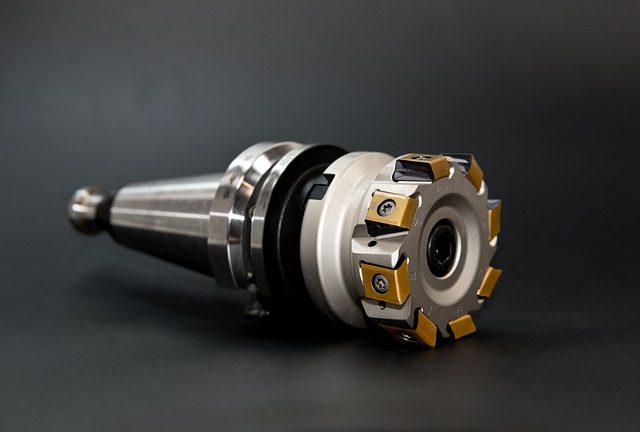
Can Brother CNC Outperform Traditional Routers in Vectric CNC Workflows
Our Systems Have Detected Unusual Activity Coming From Your System. Please Try Again Later.
In professional CNC production, the distinction between a Brother CNC machining center and a traditional router defines not only output precision but also workflow strategy in Vectric environments. Brother CNC machines dominate when metal or composite accuracy is required, while routers remain unmatched for rapid wood-based fabrication. The choice depends on tolerance needs, software compatibility, and throughput goals—factors that directly affect cost efficiency and production quality.
Comparing Brother CNC Machines and Traditional Routers in Vectric Workflows
The difference between a Brother CNC machining center and a router goes beyond materials. It involves how motion control, spindle rigidity, and software integration interact with Vectric’s toolpath logic.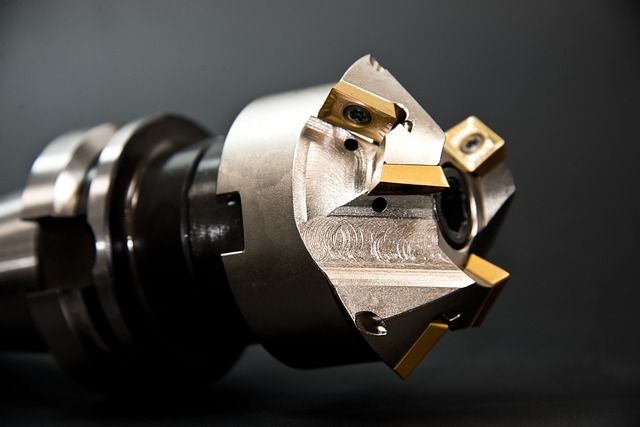
Operational Differences Between Brother CNC and Router Systems
Brother CNC machines are high-speed machining centers tailored for precision manufacturing in metals and composites. Their rigid frames and servo-driven axes allow micron-level repeatability even under heavy cutting forces. In contrast, traditional routers are built for softer materials such as wood or acrylics, where flexibility and speed matter more than sub-micron accuracy. The spindle design also differs: routers use lightweight spindles optimized for high RPMs on low-density materials, while Brother systems employ industrial-grade spindles capable of maintaining torque across variable loads.
Machine architecture drives compatibility with Vectric workflows. A router’s open table design suits large panels or signage projects, while the enclosed structure of a Brother CNC supports coolant delivery and chip evacuation essential for metal cutting. These mechanical distinctions define how each system interprets toolpaths generated by VCarve or Aspire.
Evaluating Workflow Integration with Vectric Software
Vectric software like VCarve Pro or Aspire primarily caters to router-based operations using GRBL or Mach3 controllers. However, integrating a Brother CNC requires custom post-processors to align G-code syntax with its proprietary controller language. Feed rate scaling, spindle speed commands, and tool change macros must be tuned to prevent execution errors.
Motion control differences further complicate this integration. Routers often rely on open-loop stepper systems with moderate acceleration limits, while Brother machines use closed-loop servos capable of rapid yet precise motion transitions. For example, an aluminum pocketing operation generated in Aspire might require reduced acceleration parameters when executed on a Brother unit to maintain surface finish consistency.
Material and Application Suitability in Vectric Environments
Material behavior under load determines how well each machine type performs within the same CAM framework. The gap between metallic rigidity and wooden flexibility influences both feed strategy and surface outcome.
Performance of Brother CNC Machines on Hard Materials
Brother’s spindle assemblies sustain consistent torque at high RPMs, allowing clean cuts through aluminum or brass without chatter. The servo system’s feedback loop minimizes positional drift during long cycles—a critical factor when machining intricate molds or precision fixtures from Vectric-generated toolpaths. Feed rate control is more granular than in router setups, enabling detailed engraving on hard substrates without compromising edge quality.
Tool deflection remains low due to the machine’s mass and damping characteristics. This stability allows the use of smaller end mills at higher depths of cut compared to routers that would otherwise vibrate under similar conditions.
Router Efficiency in Woodworking and Soft Material Projects
Routers shine in woodworking environments where speed outweighs extreme precision. Their lighter gantry systems accelerate faster across large work envelopes—ideal for cabinet doors or 3D relief carvings created in Aspire. Toolpath types like V-carving or pocket clearing execute efficiently because soft materials impose minimal cutting resistance.
Bit changes are quick through manual collet systems, letting operators switch from roughing to finishing tools within minutes. Combined with adjustable vacuum tables or clamps, routers adapt easily to varied project sizes without complex fixturing common in metal machining setups.
Precision, Speed, and Repeatability Factors
Beyond material compatibility lies the question of dimensional reliability over time—something that separates industrial-grade centers from shop-floor routers.
Accuracy Advantages of Brother CNC Machines
Brother systems incorporate linear scale feedback that delivers sub-micron positional accuracy during multi-axis operations. Thermal compensation sensors adjust offsets automatically as machine temperature fluctuates throughout extended runs, preserving tolerance integrity across batches.
Such precision makes them suitable for aerospace brackets or electronic housings modeled within Vectric but requiring far tighter tolerances than woodworking applications demand. Surface finish uniformity remains stable even after hours of continuous operation thanks to vibration-damped cast frames.
Speed Optimization in Router-Based Toolpaths
Routers compensate for lower rigidity with sheer traversal speed. Lightweight gantries allow rapid non-cutting moves between toolpath segments—crucial when engraving multiple signs per sheet. Adaptive clearing strategies available in Vectric software manage chip load dynamically so that bits remove material efficiently without overstressing bearings or motors.
Setup time is another advantage: zeroing tools or repositioning stock takes seconds compared to automated probe cycles typical on CNC machining centers.
Software Compatibility and Post-Processing Considerations
Software communication defines whether a design translates smoothly into real motion commands—or stalls due to syntax mismatches between controller types.
Configuring Vectric Outputs for Brother CNC Controllers
To run G-code effectively on a Brother unit, users often create customized post-processors mapping M-codes for coolant control or automatic tool changes specific to the B00/B01 control family. Adjustments may include spindle warm-up routines or dwell commands absent from standard router posts.
Simulation inside VCarve helps detect potential overtravel before code transfer, reducing crash risk during testing phases. Once validated, these configurations yield highly predictable results even when switching between different material profiles within the same job set.
Router Workflow Optimization Through Native Vectric Settings
Routers benefit from preloaded post-processors supporting GRBL or Mach3 standards out of the box. These settings automatically match feed rates and plunge speeds suited for plywoods or MDF sheets used in signage production.
Vectric’s integrated tool libraries simplify bit selection by listing common geometries such as ball-nose cutters or engraving bits with pre-set feeds per material type. Material presets further streamline workflow by embedding tested spindle speeds directly into project templates—cutting down trial-and-error during setup stages.
Production Efficiency and Cost Implications
Operational economics often dictate machine choice more than capability alone; both options serve distinct business models depending on production volume and tolerance expectations.
Evaluating Throughput Gains from High-Speed Machining Centers
Brother CNC machines deliver high chip removal rates per hour when processing dense alloys like steel or titanium alloys common in industrial tooling sectors. Automatic tool changers reduce idle time between operations—critical when running multi-step programs overnight under minimal supervision.
Maintenance intervals differ too: lubrication systems are centralized with predictive diagnostics that alert operators before wear affects accuracy metrics. Although initial investment is higher than routers, the return manifests through reduced scrap rates and faster turnaround per component batch.
Cost-Benefit Analysis of Router-Based Operations in Vectric Workflows
Routers appeal to small workshops due to their lower upfront cost and energy consumption profile. A 2 kW spindle drawing power intermittently costs significantly less to operate than a full-scale machining center running flood coolant continuously.
Flexibility also counts: one router can shift from wood signage today to acrylic displays tomorrow using only minor feed adjustments within Aspire’s interface. While precision levels cannot match those of a Brother system, overall profitability remains strong where artistic variety outweighs industrial tolerance demands.
Choosing the Right Machine Based on Job Type and Workflow Goals
Selecting between these two machine classes depends not just on budget but also intended output quality and operational rhythm across projects designed within the same CAD/CAM ecosystem.
When a Brother CNC Is the Strategic Choice
A Brother unit becomes indispensable for parts requiring tight geometric tolerances—think aerospace connectors machined directly from aluminum billets modeled inside Aspire’s 3D environment. Its repeatability guarantees that every part aligns perfectly across long production runs monitored by statistical process controls common in ISO-certified plants.
It also fits scenarios where dimensional traceability forms part of client documentation standards since each axis movement can be logged digitally via servo feedback data streams native to industrial controllers.
When a Traditional Router Delivers Better Value in Vectric Projects
Routers dominate creative industries where design changes occur frequently—custom furniture shops adjusting panel layouts daily benefit from their simplicity. Signmakers producing varied lettering styles appreciate how quickly new jobs can be queued without recalibrating complex macros found on metalworking equipment.
For educational labs teaching CAM fundamentals through VCarve Desktop editions, routers provide accessible learning platforms before advancing toward full-scale machining centers like those from Brother’s portfolio.
FAQ
Q1: Can Vectric software generate code directly compatible with Brother CNC controllers?
A: Not natively; custom post-processors must be written so that G-code matches specific command structures used by Brother controllers such as B00/B01 families.
Q2: Is it possible to cut aluminum effectively using a traditional router?
A: Yes, but only at shallow depths with high spindle speeds; vibration control becomes challenging compared to rigid-frame machines like those from Brother CNC lines.
Q3: Which option provides better long-term accuracy?
A: Industrial-grade machining centers maintain superior repeatability over years due to servo feedback loops and thermal compensation features absent in most routers.
Q4: Are maintenance costs higher for Brother units?
A: They typically are because components operate under tighter tolerances requiring regular calibration; however, downtime reduction offsets some expense through consistent output quality.
Q5: Do routers support automated tool changes similar to CNC mills?
A: Only advanced models do; most entry-level routers rely on manual bit swaps which remain acceptable for low-volume creative work rather than industrial-scale production cycles.