
What Makes Nickel Electroplating Essential For High-Precision Manufacturing
The Fundamentals of Nickel Electroplating
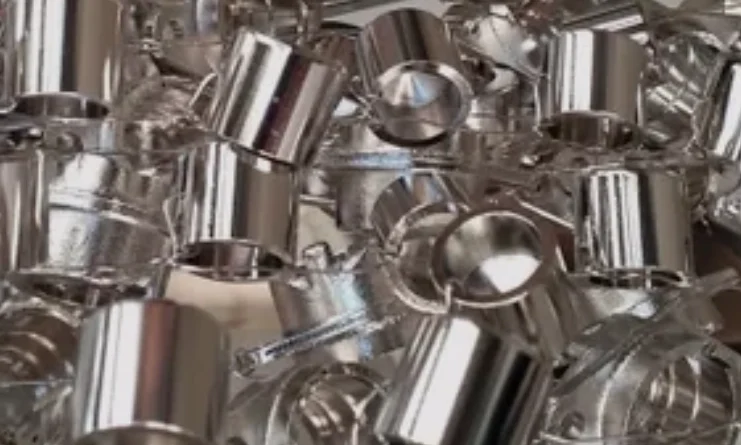
Nickel electroplating ranks as one of the most common finishing methods in today’s factories. It puts a slim, tough nickel layer on metal pieces to boost their ability to resist wear, fight off rust, and look better. For people in engineering and process work, it’s more than just making things shiny. It’s about handling the tiny structure inside the coating, making sure it sticks well, and performing reliably in tough spots. Take a car part, for instance—after plating, it holds up longer against daily bumps and weather.
The Electrochemical Process
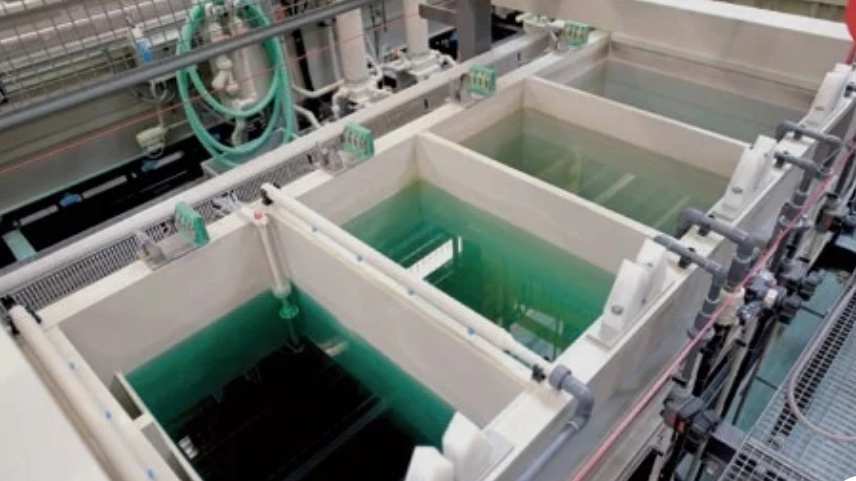
Nickel electroplating happens through a simple electric-chemical reaction. In this, nickel bits in liquid form get pulled to a metal base and turn solid. The basic setup has a nickel positive electrode, a negative one which is the item getting coated, and a bath solution with nickel compounds like nickel sulfate or nickel chloride. As soon as current flows in the setup, those nickel bits head to the negative side and build up as a metal film.
Things like the bath’s acid level, its warmth, and how strong the current is all shape how even the coating turns out and how much strain builds inside it. For one thing, pushing higher current can speed up the buildup but might lead to bumpy surfaces or spots that burn a bit. Keeping the liquid moving helps spread the bits evenly over tricky shapes. In big factory lines, smart machines hold the acid level steady from 3.5 to 4.5 and keep the heat around 50–60°C. This way, results stay reliable batch after batch. I’ve seen shops where poor stirring caused uneven spots on gears, leading to extra rework.
Types of Nickel Electroplating Techniques
Watts Bath Plating stays the go-to choice for everyday uses. It strikes a good balance between toughness, shine, and flexibility. This method fits well for car parts, screws, and pretty finishes where both work and looks count. Factories often pick it for door handles that need to gleam and endure scratches.
Sulfamate Nickel Plating gets picked a lot in careful engineering jobs. It creates less built-up strain and bends easily without breaking. Workers use it for shapes like molds or machine bits that need extra shaping or exact sizes down to tiny fractions. The easy-bend quality stops splits during heat changes or when parts get folded. In one case, a tool shop used it on press dies, and they lasted twice as long without cracks.
Electroless Nickel Plating, different from the electric kind, skips outside power. Instead, it uses chemical steps to add nickel evenly on every spot—even deep in holes or hidden nooks. This suits plane parts with winding paths or plug-ins for gadgets that call for the same thickness all around. It’s handy for things like circuit boards where full coverage prevents weak points.
Key Equipment and Process Control Variables
Power supplies are key. They give steady direct current to manage how fast the coating grows. New setups link in smart controls that tweak the power on the fly if the workload shifts. Stirring tools, like moving paddles or bubble blasts, keep the bath mixed well. This stops uneven buildup on odd shapes.
Smart checkers watch the bath mix live. They spot unwanted bits like copper or iron that mess up the coating. Lots of plants now have built-in color scanners or drop tests tied to auto-add systems. These keep extras and metal bits topped up without guesswork. Over time, this cuts waste and keeps things running smooth.
Functional Advantages of Nickel Electroplating in Manufacturing
Nickel layers do more than look good. They build up strength, help with electric flow, and make making things easier in fields from plane building to gadget work.
Enhancing Wear and Corrosion Resistance
A well-put nickel cover makes a tight shield against rust and harsh stuff like acids or bases. This helps gear for boats or chemical tanks that face rough settings. The layer also bumps up hardness—often over 500 HV—which cuts down rubbing damage in spots like rollers or taps. Picture a valve in a factory; after plating, it handles gritty fluids without quick wear.
Layered setups mix useful bases: say, a dull underlayer for rust fight on top of shiny nickel for looks or light bounce. Such combos are common in tools that sit outside, like fence fittings.
Improving Dimensional Precision and Surface Finish
By watching how much builds up, you hit close sizes without much extra cutting later. Nickel electroplating fixes small size slips by adding to surfaces accurate to micrometers. It’s like patching a worn shaft to exact fit.
The end surface comes out even and glossy. This lowers drag when parts rub or fit together. For fancy jobs like lens shapes or plastic molds, a quick polish after plating smooths it under Ra 0.1 µm. Heat steps then lock in the stick power. In practice, this saves hours in assembly lines for phone cases.
Electrical and Thermal Conductivity Benefits
Nickel’s good at carrying electricity. So it works for plugs, toggles, or touch points that need steady signals over years. It also stays steady in heat—great for car motor bits or chip packs that heat up and cool down often. One engineer noted how plated contacts in cars cut signal loss by 20% after months of use.
Integration of Nickel Electroplating in High-Precision Manufacturing Processes
Fitting nickel electroplating into top-notch making lines aids both use boosts and material matches in areas that need rock-solid trust. Sometimes, small tweaks in the bath can make all the difference in tight spots.
Applications Across Key Industries
Aerospace Engineering
In plane setups, nickel covers guard fan blades from grind by fast air with dust bits. Shafts for landing gear gain better hold against repeated pushes while keeping sizes steady after fixes. For example, on a jet engine part, the coating held up through 10,000 cycles without pitting.
Automotive Manufacturing
Car makers put nickel on pistons, shapes, fuel sprayers, and tool faces where oil fails could wear fast. Its mix of hard and rust-proof stretches life even with gas or oil around. Think of brake calipers—they shine and last longer in salty roads.
Electronics and Semiconductor Fabrication
In gadget making, slim nickel acts as a wall against spread under gold on plugs or board prints (PCBs). It blocks copper creep that hurts flow over time. Plus, it aids soldering key for tiny chip joins. In phone boards, this setup keeps connections crisp for years of drops and heat.
Compatibility with Advanced Materials and Alloys
Nickel sticks fine to steels, copper mixes, brass, aluminum, and even titanium if you clean the base right—usually with soap scrub then acid clean or zinc coat for aluminum. This match lets mixed metal builds without zap issues between types.
It also works as a bridge layer for stick between unlike stuff, like copper to gold in gadget packs. Such links are vital in hybrid car batteries.
Role in Surface Engineering Strategies
In stacked covers, nickel bases often go under chrome to better fight rust while keeping shine steady. In build-up making flows, a thin nickel smooths bumpy spots from powder melt before polish or vapor coat steps. It’s like giving 3D prints a pro finish without starting over.
Quality Control and Performance Optimization in Nickel Electroplating
To keep quality steady, you must check process bits and end coats with test ways all the time. Skipping this can lead to batches that fail early in the field.
Monitoring Coating Uniformity and Thickness Distribution
Harmless methods like X-ray glow (XRF) checks give fast reads on coat thickness over twisty forms without harm. Slice views under a scope check stick at the base-coat join. They also show grain evenness key for steady strength. In a shop I recall, XRF caught a thin spot on a batch of valves, saving a recall.
Managing Internal Stress and Hydrogen Embrittlement Risks
Too much pull strain in buildup can split things. Tweaking extras like saccharin drops strain to safe lows, usually under 100 MPa. For tough steels prone to hydrogen snap from the electric bath, a bake at about 190°C pulls out trapped bits before use. This step is non-negotiable for safety-critical parts like aircraft fittings.
Environmental Considerations and Process Sustainability
New plating spots use loop filters that reuse wash water and pull back metal from waste—cutting trash and bills. Boric acid-free baths match green rules like REACH in Europe or RoHS limits on bad stuff in making. These changes not only help the planet but also lower costs by 15-20% in some plants, based on recent reports.
Emerging Trends in Nickel Electroplating Technology
Tech changes keep shifting how plating jobs run—from auto links to fresh material ideas for green ways. It’s exciting to see how these build on old tricks.
Automation and Digital Process Control Systems
Web-connected watchers now track heat steadiness, acid shifts, power use, and dirt levels in baths non-stop. Live number crunching spots fix needs early—cutting stop time and holding output even across runs. Imagine a factory floor where alerts ping before a bath goes off, keeping shifts on track.
Hybrid Coatings and Nanostructured Nickel Layers
Studies on mixed tiny-particle covers look good: adding bits like SiC or PTFE ups toughness or slip beyond old ways while keeping bend. Joint-build steps let you tune traits like pull to magnets or spark starts for new power tech. These could change how we coat medical tools, for one.
Future Directions in Precision Manufacturing Applications
As things get smaller in tiny machines or body implants need coatings under a micron thick, chemical nickel ways will lead. They cover even in super-small pockets. At the same time, green bath mixes with plant-based holders aim to swap old bad chemicals without losing coat strength. This push toward green plating will shape factories worldwide, maybe cutting energy use by half in a decade.
FAQ
Q1: What is the main difference between electrolytic and electroless nickel plating?
A: Electrolytic plating requires an external power source to drive metal ion reduction onto the part surface; electroless plating relies on chemical reduction reactions that occur uniformly without electricity.
Q2: Why does sulfamate nickel produce lower internal stress than Watts bath?
A: Sulfamate solutions contain fewer organic additives that cause tensile stress buildup during deposition; this results in smoother microstructures ideal for precision engineering applications.
Q3: How thick is a typical industrial nickel coating?
A: Most engineering-grade coatings range from 5 µm up to 50 µm depending on application requirements such as wear resistance versus electrical conductivity needs.
Q4: Can aluminum parts be directly plated with nickel?
A: Not directly—aluminum must first undergo zincate treatment which forms an intermediate layer improving adhesion before applying the final nickel coat.
Q5: What environmental improvements are shaping modern electroplating plants?
A: Facilities now use closed-loop water recycling systems combined with low-toxicity electrolytes compliant with REACH standards to reduce waste generation while maintaining high-quality output levels.