

What Is The Best CNC Machine For Woodworking And How Smart CNCs Redefine Precision
CNC Technology in Modern Woodworking
CNC technology has changed the way professional workshops handle wood fabrication. Workers no longer depend only on hand skills. Instead, computer-controlled routers manage detailed patterns, smooth curves, and strong joinery with great accuracy. The move from old-fashioned routers to clever CNC systems shows a key change in the woodworking field. This is especially true as automation and AI open up new possibilities in 2026. For instance, a small shop might now create fancy cabinet doors that used to take days by hand, all in a few hours.
Evolution of CNC Machines in the Wood Industry
The first CNC routers added automation to a craft that had always been done by hand. Those early setups were simple. But they brought steady results to jobs like cutting and engraving. Over time, control systems got better. Accuracy jumped up a lot. Servo-driven motors and closed-loop feedback turned into common parts. They cut out mistakes from people during tough cuts. I recall visiting a workshop where an old manual router left uneven edges, but the CNC version made everything flat and even.
CAD/CAM software later changed how production worked. Designers could send computer models straight to the machines. They did not need to draw plans or make templates again. This cut down wait times. It lowered waste too. Small shops could now make items that big factories used to handle alone. In today’s work, this switch from digital to real wood is smooth. What you see on the screen is just what the tool carves from the wood board.
The Core Components of a CNC Machine for Woodworking
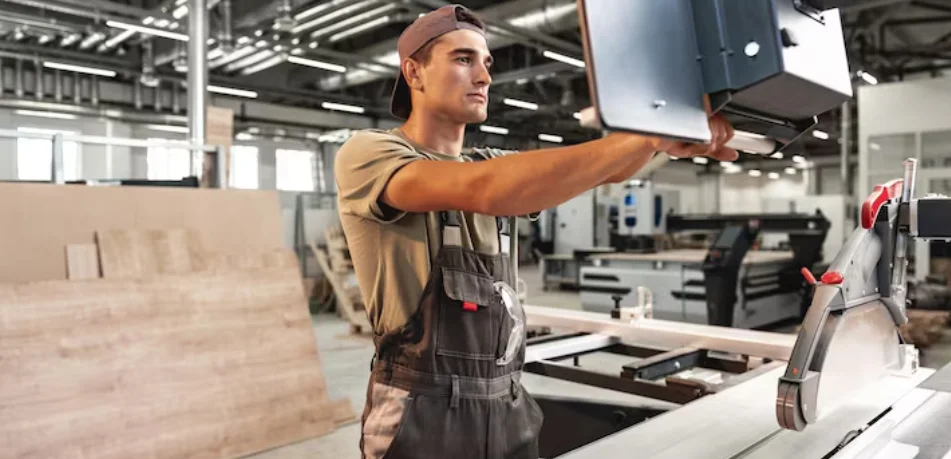
Each CNC machine depends on three key hardware parts. The spindle does the cutting. The drive system moves the axes. And the motion controller lines up every action. For woodwork, how well it works with materials counts a lot. Softwoods need different power and speed levels than hard hardwoods or mixed materials. Think about pine versus oak; the machine has to adjust or the cuts won’t come out right.
Strength is another big deal. Even small shakes can leave marks on the wood’s surface. Top machines use heavy cast-iron frames or strong aluminum gantries to stay steady when working. Good software setup keeps the paths the same for many tasks. This helps a lot when making sets of furniture or big wall panels that must match exactly.
Defining What Makes the Best CNC Machine for Woodworking
Picking the top CNC machine for woodworking comes down to mixing accuracy, strength, and smooth work flow. A good system does not have to cost the most. It just needs to fit your goals and the types of wood you use. In my experience from talking to woodworkers, many regret buying too big a machine that sits half-empty most days.
Evaluating Precision and Repeatability
Accuracy starts with the parts that control movement. Strong servo motors keep errors low during moves on several axes. Paired with straight guide rails and ball screws, they make even shifts at fast speeds. Feedback setups boost repeatability. They watch for position slips in the moment. Then they fix them when the tool bends from shakes or pushback during cuts.
Factors That Determine Machine Performance
How well a machine works differs a lot between types. This happens because of changes in spindle strength and build setup. A strong spindle lets you go quicker through tough woods. It avoids burning the edges or wearing out tools too soon. The table size sets how big a piece you can work on at one time. This matters for things like cabinet doors or full panels. Gantry style affects steadiness when moving side to side.
Work flow also relies on helper systems. Dust collection and cooling keep tools lasting longer. They help keep surfaces clean for the next steps. Simple access for fixes counts too. If the machine stops often for repairs, it can hurt your earnings fast.
Comparing Industrial vs. Small-Shop CNC Models
Big industrial CNCs rule in places that make lots of items fast. They often have auto tool switchers, suction tables to hold pieces down, and setups with many heads. These run non-stop over work shifts. Small shops like smaller units built for change rather than big output. They suit custom furniture builders or test rooms that focus on one-of-a-kind pieces.
When looking at costs and gains, think about more than the first price. Add in costs for new tools, power use, and time to train workers. In 2026, many pros use a mix. They pair one big industrial machine with a few smaller smart routers. This gives room to grow and stay creative. For example, a shop I know started with a basic model and added extras as jobs picked up, saving money along the way.
Smart CNCs: The Next Step in Automated Woodworking
Smart CNC tech does more than just improve a bit. It creates a whole setup around links and smarts. You do not just enter points on a map anymore. You handle info flows that guess how things will turn out before the cut starts. It’s like having a helper that thinks ahead, which saves headaches in busy shops.
Integration of Artificial Intelligence and IoT in CNC Systems
Artificial intelligence now helps directly with cutting plans. Computer rules check wood thickness changes or wood grain direction. They tweak speeds on the fly while running. Internet of Things (IoT) links let workers check from afar. They get fix alerts through online screens before problems grow.
Online team work shifts how groups operate too. Designers upload fresh files easily. Operators watch from handheld screens around the area. This cuts down talk mix-ups between teams. It keeps projects on track without delays.
Adaptive Control Systems for Real-Time Optimization
Sensors placed all over new machines watch spindle work load, heat changes, and shake patterns all the time. If numbers go beyond safe points, the system shifts speed or cut depth on its own. It keeps the wood surface even without stopping the job.
Auto setup checks cut down time between tasks. This shines when you switch often. One day it’s flat MDF boards. The next it’s thick oak blocks. No fuss, just quick changes.
How Smart CNCs Redefine Precision in 2026 Woodworking Environments
By 2026, accuracy means more than just machine steadiness. It includes smart guesses at every step of the work. Shops now hit levels of detail that feel almost magic, but it’s all from better tech and data.
Enhanced Accuracy Through Data Feedback Loops
Non-stop sensor reports hold position slips under tiny measures. This works even at quick moves over 30 meters a minute on top models. As time goes on, learning programs get sharper. They look at past jobs. They spot things like tool wear over time or heat stretch effects. Then they fix ahead of trouble.
Guess tools run full tasks on computers first. Workers can check sizes in virtual space. This saves wasting costly wood on bad tries. In one case, a furniture maker caught a design flaw this way and fixed it before cutting a single board, saving hundreds in materials.
The Role of Automation in Workflow Efficiency
Automation goes past just cutting. It covers moving and finishing too. Auto arms load new wood sheets. This cuts wait time between runs. Robot sanders do after-work smoothing the same way every time for groups of pieces.
Matching moves on many axes lets you do several things at once. Drill holes for joints while shaping sides on the same wood. Old routers could not do this without lots of hand shifts. Now, it’s all automatic, speeding up the whole process by 40% in some shops I’ve heard about.
Choosing the Right Smart CNC System for Professional Workshops
Picking a smart CNC setup means looking at now needs and room to grow later. Tech changes quick in making fields these days. Get it wrong, and you might outgrow it in a year or two.
Key Specifications to Evaluate Before Investment
Before buying any “smart” system, check the spindle kind. Is it air-cooled or liquid-cooled? Look at axis setup, like 3-, 4-, or 5-axis. See how easy the controls are to use. Make sure it works with your current CAD/CAM programs in your daily routine.
Room to add on matters just as much. Build platforms that let you hook up robot helpers or sight-check tools later. No need to swap the main parts. How good the seller’s help is counts big. Things like how often they update software and teach workers affect your money back over years more than just the machine’s numbers.
Balancing Cost, Capability, and Scalability in 2026 Market Conditions
This year, when checking brands, look at full ownership costs. Not just the sale tag. Power savings ratings help now with higher electric bills around the world. Wood shops push for green goals too.
Build styles that flex give shops choices. Begin with a basic unit. Then add power step by step as work increases. Do not tie up all cash on huge gear that runs slow most times. It’s smarter to scale up slowly, like many businesses do to match real demand without waste.
FAQ
Q1: What defines the best CNC machine for woodworking?
A: It mixes steady movement control with solid software setup. It fits your wood kinds and how much you make. Do not just chase big names or top power numbers.
Q2: How do smart CNCs differ from traditional routers?
A: Smart ones add sensors, computer thinking rules, and IoT links. You can watch from afar and change settings while working. Old routers lack these and need hand programming each time.
Q3: Are industrial-grade machines always better than compact ones?
A: No, not always. Big ones shine for making tons of the same thing fast. Small ones give bend for custom jobs where designs shift every day, not steady repeats.
Q4: Why does spindle power matter so much?
A: It sets how fast you cut thick woods without hot tools or scorched spots. This keeps finish even for all pieces, no matter the job load.
Q5: What should professionals prioritize when investing in new smart CNC equipment?
A: Start with how it fits your digital work flow. Then check seller help for fixes. Keeping it running beats small wins in listed accuracy from different makers.