

Which Tile Cutting Machine Delivers Precision in the Best Tile Saws of 2026
The Best Tile Saws of 2026, According to Hands-On Expert Testing
Tile cutting machines in 2026 have reached a level of precision that would have been unimaginable just a few years ago. Field testing shows that the latest models combine digital control systems, brushless motors, and advanced water management designs to deliver cleaner, faster, and more accurate cuts. Professionals now expect tolerances within fractions of a millimeter even on large-format porcelain or natural stone tiles. The best tile saws of 2026 stand out not only for their raw cutting power but also for their ability to maintain accuracy over long work sessions and diverse materials.
Advancements in Tile Cutting Technology for 2026
The evolution of tile cutting technology has accelerated due to the demand for higher accuracy and efficiency in construction and remodeling projects. Manufacturers have focused on integrating smarter electronics and lighter yet stronger materials, creating machines that meet both performance and portability standards.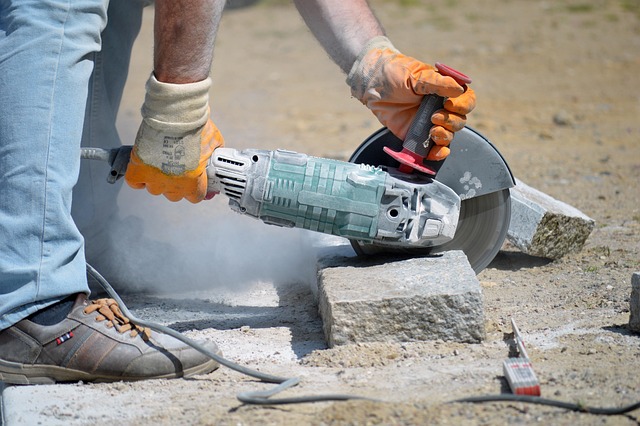
Emerging Trends in Tile Saw Engineering
The most notable trend is the integration of digital precision controls. These systems allow operators to fine-tune blade alignment and feed rate with micro-level adjustments, providing consistent results even across varying material densities. Brushless motors are now standard in high-end tile saws because they produce more torque while reducing maintenance intervals. Another key development is improved water management systems that minimize dust generation and cool the blade evenly, extending its lifespan and maintaining smooth operation during long cuts.
Material Innovations in Tile Cutting Machines
Material science has played a crucial role in advancing tile saw design. Diamond-infused blades dominate the market due to their superior wear resistance and ability to handle ultra-hard ceramics without chipping. Lightweight composite frames reduce total machine weight by up to 30 percent compared with traditional steel designs, enabling easier transport without compromising rigidity. Enhanced vibration dampening systems further contribute to smoother cuts by stabilizing the blade under high rotational speeds.
Evaluating Precision in Modern Tile Saws
Precision remains the defining factor separating professional-grade tile saws from entry-level models. The interplay between mechanical stability, motor control, and operator interface determines whether a saw can deliver repeatable accuracy on demanding job sites.
Defining Precision in Tile Cutting Applications
Precision in tile cutting depends on how well blade alignment interacts with feed rate during operation. Even minor deviations can result in edge chipping or misalignment when installing large tiles. Linear and diagonal cut tolerances are measured using digital calipers across different materials such as porcelain, marble, or glass mosaics. Consistent depth control ensures clean transitions between pieces, which is critical for seamless installations in commercial interiors.
Factors Influencing Precision Performance
Several mechanical factors influence performance consistency. A rigid cutting platform prevents flexing under load, maintaining straight cuts even when handling heavy stone slabs. High-quality rail systems with sealed guide bearings provide smooth motion without lateral play. Motor speed consistency also matters; fluctuations can cause micro-tears along edges that become visible after grouting.
Comparative Analysis: Leading Tile Cutting Machines of 2026
Comparing leading models reveals how manufacturers differentiate through specialized engineering choices targeting specific user needs—from full-scale workshop setups to portable field units.
High-End Professional Wet Saws
Professional wet saws dominate large-scale installation projects where precision cannot be compromised. Blade runout measurements below 0.001 inches are now common benchmarks for calibration standards. Cooling efficiency has improved through dual-channel water delivery systems that maintain uniform temperature distribution across the blade surface during extended use. Many top-tier models retain accuracy within ±0.05 mm after hundreds of operational hours thanks to reinforced chassis structures and self-compensating drive assemblies.
Compact Tabletop Tile Saws for Field Professionals
Compact tabletop saws cater to mobile installers who require quick setup without losing precision. Modular frame designs allow fast assembly on uneven surfaces while keeping alignment stable. Adjustable rip fences help maintain parallel cuts with minimal deviation across repeated passes. Integrated water trays capture overspray efficiently, keeping job sites cleaner while preserving cooling performance—an underrated but essential feature for indoor renovation work.
Digital Enhancements Elevating Cutting Accuracy
Digital integration has transformed how professionals interact with their tools. Real-time feedback mechanisms now guide every cut with unprecedented clarity.
Role of Smart Sensors and Laser Guides in 2026 Models
Laser projection systems display real-time cut paths directly onto tile surfaces, improving visual guidance during complex layouts like herringbone or diagonal patterns. Embedded sensors continuously monitor blade wear rates and automatically adjust feed speed to prevent overheating or overcutting fragile materials such as glass tiles. Connectivity features enable remote calibration via mobile apps—technicians can fine-tune settings before arriving at the site.
Software-Assisted Calibration Systems
Automated squaring functions reduce manual setup time dramatically by electronically aligning rails before each session. Data logging features record operational metrics such as motor load history or coolant usage, allowing predictive maintenance scheduling based on actual wear data rather than fixed intervals.
Expert Insights on Selecting a Precision Tile Cutting Machine
Choosing the right tile cutting machine involves balancing project requirements against technical specifications and ergonomic factors that influence daily productivity.
Matching Machine Specifications to Project Requirements
Professionals typically evaluate blade diameter relative to tile thickness; larger blades handle dense materials like granite more effectively but require stronger motors—often rated above 1.5 horsepower—to sustain torque under continuous load. For frequent commercial use, durable components outweigh lightweight design priorities. Ergonomic considerations such as adjustable stands or cushioned handles reduce fatigue during repetitive tasks over long shifts.
Maintenance Practices to Preserve Long-Term Precision
Preventive maintenance remains central to preserving accuracy over years of service life. Guide bearings should be inspected regularly for debris buildup or uneven wear patterns that could affect straightness under motion stress. Proper lubrication routines extend component longevity under heavy workloads typical on construction sites. Before major projects, technicians verify calibration using precision instruments like dial indicators to confirm alignment within manufacturer tolerances.
Future Outlook: The Evolution of Precision Tile Saws Beyond 2026
Innovation is expected to continue at an accelerated pace beyond 2026 as automation technologies mature within construction equipment ecosystems.
Anticipated Technological Directions
AI-driven adaptive algorithms may soon analyze material hardness dynamically and adjust blade pressure accordingly for intricate mosaic patterns or curved cuts previously requiring manual skill adjustments. Eco-friendly water recycling systems are likely to become standard in wet saw units as sustainability regulations tighten globally under ISO environmental frameworks. Hybrid electric-pneumatic drive mechanisms could emerge next decade, offering ultra-fine motion control suitable for architectural fabrication labs where sub-millimeter precision defines craftsmanship quality.
FAQ
Q1: What makes a tile cutting machine precise?
A: Precision depends on stable platform design, accurate rail guides, consistent motor speed, and proper calibration between blade alignment and feed rate.
Q2: Are brushless motors worth it for professional use?
A: Yes, they deliver higher torque output while reducing maintenance frequency compared with traditional brushed motors.
Q3: How often should guide bearings be replaced?
A: Typically every six months under heavy use conditions or sooner if noticeable vibration occurs during operation.
Q4: Can compact tabletop saws match professional wet saw accuracy?
A: While not identical in capacity, modern portable units achieve near-professional precision thanks to improved frame rigidity and sensor-based calibration tools.
Q5: What future technologies will shape next-generation tile saws?
A: Expect AI-assisted cutting control, integrated recycling systems for coolant water, and hybrid drive mechanisms combining electric precision with pneumatic responsiveness.