
What Makes a Chop Saw Blade Ideal for Fast and Clean Wood Cuts
Best Chop Saw Blade for Wood: Top Picks That Cut Fast!
Selecting the best chop saw blade for wood comes down to balancing speed, precision, and durability. For professional woodworkers, a well-engineered blade can transform output quality and reduce downtime. The top-performing models typically feature carbide-tipped teeth, vibration-dampening slots, and optimized tooth geometry that deliver fast yet clean cuts. When matched correctly to wood type and cutting conditions, these blades maintain sharper edges longer and minimize heat buildup. In practice, a premium chop saw blade doesn’t just slice faster — it produces smoother finishes that require less sanding afterward.
The Role of a Chop Saw Blade in Woodworking
A chop saw blade serves as the heart of any precision cutting setup. Its design determines not only how efficiently it cuts but also how consistently it maintains accuracy across repeated operations.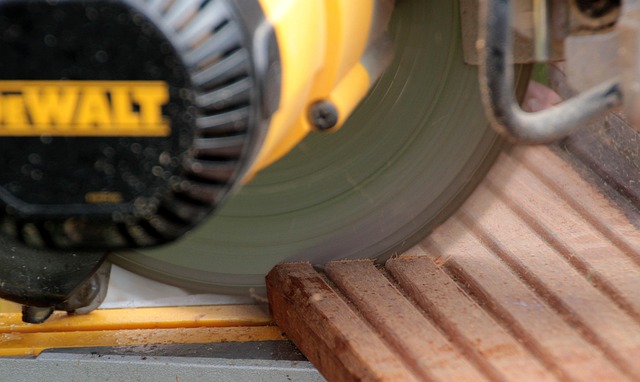
The Function of a Chop Saw Blade in Precision Cutting
The geometry of a chop saw blade directly affects cutting accuracy and speed. Blades with finely honed teeth maintain uniform contact with the material, allowing for straight cuts without deviation. The tooth design also dictates chip evacuation efficiency; poor chip removal can cause overheating or burning on dense hardwoods. Maintaining consistent cutting angles is critical since even minor misalignments can lead to uneven edges or binding during crosscuts.
Differentiating Chop Saw Blades from Other Saw Types
Unlike circular or table saw blades that allow continuous feed motion, chop saw blades operate in a fixed downward stroke designed for perpendicular accuracy. They are optimized for torque-heavy motors with high RPM compatibility. Miter saw blades share similarities but often feature finer teeth for angled joints, whereas chop saw blades excel at repetitive 90-degree cuts on framing lumber or trim boards. In heavy-duty applications like decking or cabinetry production, their rigid plate structure prevents flexing under load.
Key Design Factors That Influence Cutting Speed and Cleanliness
Every aspect of a chop saw blade’s engineering—from tooth geometry to coating—affects both performance speed and surface finish quality.
Tooth Geometry and Its Impact on Cut Quality
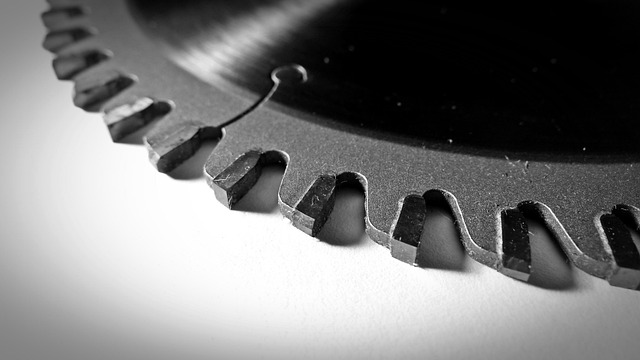
Tooth shape defines how efficiently chips are cleared from the kerf. Alternate Top Bevel (ATB) configurations yield cleaner finishes ideal for fine woodworking because alternating bevels shear fibers smoothly. Flat Top Grind (FTG) teeth prioritize speed by chipping material aggressively, suitable for rough framing tasks. Triple Chip Grind (TCG) designs combine both characteristics for composite materials where durability matters more than polish. A higher tooth count provides smoother surfaces but slows feed rate; conversely, fewer teeth favor rapid throughput at the expense of finish refinement.
Blade Material Composition and Coating Technologies
High-speed steel (HSS) remains cost-effective but dulls faster under high friction loads. Carbide-tipped blades dominate professional use due to superior hardness and edge retention when cutting dense hardwoods or laminates. Diamond-grit variants are rare in woodworking yet useful for abrasive composites like MDF or melamine boards. Modern coatings such as titanium nitride or Teflon minimize friction, reducing pitch buildup and extending life span by controlling heat generation during long sessions.
Kerf Width and Plate Thickness Considerations
Kerf width—the thickness of material removed per cut—affects both feed rate and waste generation. Thin-kerf blades conserve material and require less power but may deflect slightly under heavy pressure, compromising straightness on wide stock. Thicker plates provide stability yet increase resistance, demanding stronger motors to sustain RPM levels. Advanced designs include laser-cut expansion slots that absorb vibration at high speeds, maintaining dimensional accuracy even during prolonged use.
Performance Optimization Through Proper Blade Selection
Choosing the right chop saw blade depends on matching its specifications to the wood’s density and desired surface quality.
Matching Blade Specifications to Wood Type
For hardwoods like oak or maple, 80-tooth carbide-tipped blades deliver crisp edges with minimal tear-out. Softwoods such as pine perform well with 40–60 teeth where faster feed rates are practical without sacrificing cut integrity. Composites benefit from TCG patterns that resist resin adhesion. Moisture content also influences wear; damp lumber accelerates corrosion around gullets if not cleaned regularly. RPM settings should align with manufacturer recommendations—typically between 3,200–4,000—for optimal balance between torque and smoothness.
Balancing Speed, Accuracy, and Surface Finish Requirements
In framing work where productivity outweighs aesthetics, coarse-tooth FTG blades maximize throughput. Conversely, fine cabinetry demands slower feeds using ATB profiles to achieve flawless finishes ready for varnish application. Feed pressure plays an equally vital role: excessive force causes deflection while too little leads to chatter marks. Skilled operators adjust hand pressure intuitively based on sound feedback from the motor tone—a subtle cue often overlooked by novices.
Maintenance Practices That Preserve Cutting Efficiency
Even premium blades lose performance if neglected; regular maintenance ensures consistent results across projects.
Routine Cleaning and Resin Removal Techniques
Resin buildup from pine sap or adhesive residues increases friction dramatically over time. Safe cleaning involves soaking the blade in non-corrosive degreasers formulated for carbide edges before gentle brushing with nylon pads. Avoid harsh abrasives that pit the plate surface or weaken brazed joints between tips and body steel. Frequency depends on workload intensity: daily-use shop tools may need weekly cleaning cycles compared to occasional hobby setups requiring monthly attention.
Sharpening Strategies for Extended Blade Life
Professional sharpening services restore factory-level precision using diamond wheels calibrated to specific tooth geometries—typically 15°–20° bevel angles for ATB types. Attempting manual grinding without proper jigs risks altering clearance angles leading to burn marks on subsequent cuts. Dullness signs include increased motor strain noise or faint scorch trails along grain lines; both indicate micro-fracturing at tooth tips needing immediate regrind rather than continued use.
Evaluating Advanced Features in Modern Chop Saw Blades
Technological improvements have refined how modern blades handle vibration control and heat management during intensive workloads.
Anti-Vibration Slots and Noise Reduction Engineering
Laser-cut anti-vibration slots interrupt harmonic resonance patterns generated during rotation, significantly lowering decibel output while stabilizing cut trajectory at high RPMs. These slots expand slightly under thermal stress preventing warping—a common issue when cutting thick hardwood beams continuously throughout production shifts.
Heat Dissipation Mechanisms for Continuous Operation
Proper plate tensioning keeps thermal expansion uniform across diameter preventing wobble mid-cutting cycle. Some manufacturers incorporate vented hole arrays enhancing airflow behind gullets which dissipate heat efficiently during rapid successive chops—a small engineering detail that makes noticeable difference in long-term alignment stability.
Selecting the Ideal Chop Saw Blade for Professional Woodwork Applications
Selecting a chop saw blade isn’t just about specs—it’s about integrating performance parameters into broader workshop systems including motor calibration and arbor fitment standards.
Criteria for Assessing Blade Performance in Workshop Environments
Performance metrics include consistent feed rate response under identical torque loads, edge smoothness measurable by tactile inspection rather than visual alone, and dimensional repeatability across multiple cuts within ±0.2 mm tolerance range typical of furniture-grade joinery standards (ISO 19085). Controlled testing involves running identical stock through several candidate blades using constant RPM settings then comparing fiber tear-out ratios post-sanding analysis.
Integrating Blade Choice with Overall Tool Setup Strategy
A balanced setup aligns motor horsepower output with blade diameter ensuring efficient torque transfer without overloading bearings or belts during acceleration phases. Arbor size compatibility is equally crucial since minor mismatches introduce radial runout affecting precision over time. Professionals often weigh upfront cost against projected sharpening cycles—higher-grade carbide may triple lifespan relative to cheaper alloys translating into lower per-cut expenditure despite higher initial investment.
FAQ
Q1: What is the best tooth count for general-purpose wood cutting?
A: Around 60 teeth offers a good balance between cutting speed and finish quality across most softwood types used in construction work.
Q2: How often should a chop saw blade be cleaned?
A: For daily industrial use, weekly cleaning prevents resin accumulation that can dull edges prematurely; lighter users can extend intervals up to one month.
Q3: Can thin-kerf blades replace standard ones?
A: Yes, if your saw motor maintains stable RPM under reduced resistance; however thin plates may flex slightly when pushed too hard on dense hardwoods.
Q4: Why do some blades produce burn marks?
A: Overheating from dull teeth or excessive feed pressure causes localized scorching; sharpening restores proper clearance reducing friction instantly.
Q5: Are coated blades worth the extra cost?
A: Definitely—Teflon or titanium coatings reduce pitch adhesion improving longevity especially when working continuously on resinous timbers like pine or cedar.