
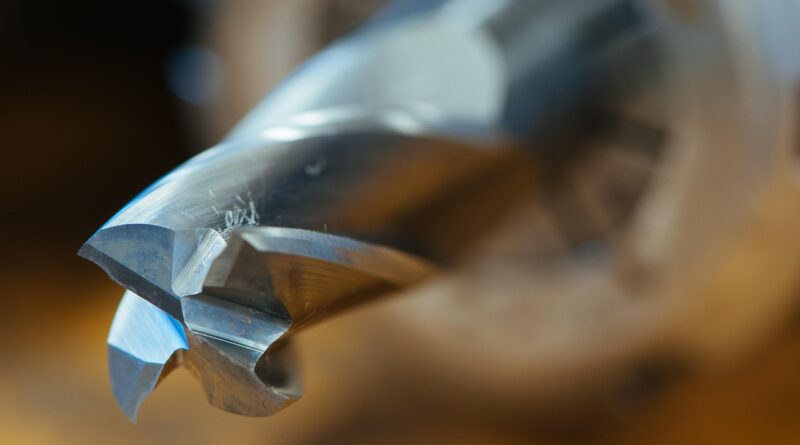
How do Precision Cutting Tools Improve Part Quality and Shop Profit?
How do Precision Cutting Tools Shape Real Shop Results?
If you buy or specify precision cutting tools, you are not just buying carbide, coating, and a cutting edge. You are choosing how steady each CNC cycle can be, how many parts pass inspection, and how often operators need to stop the machine because of chatter, burrs, or rough finish. For more practical machining topics, visit the Cutting & Tooling section.
The cutting tool is small next to the machine, fixture, and workpiece, but it often decides whether a job runs without trouble. AMT and the United States Cutting Tool Institute reported on June 22, 2026, that U.S. cutting tool shipments reached $258.9 million in April 2026, up 21.1% from April 2025, with year-to-date shipments of $964 million. That report was not only about sales value. Cutting tool consumption is used as a useful sign of real manufacturing activity, because tools are consumed when parts are actually being cut.
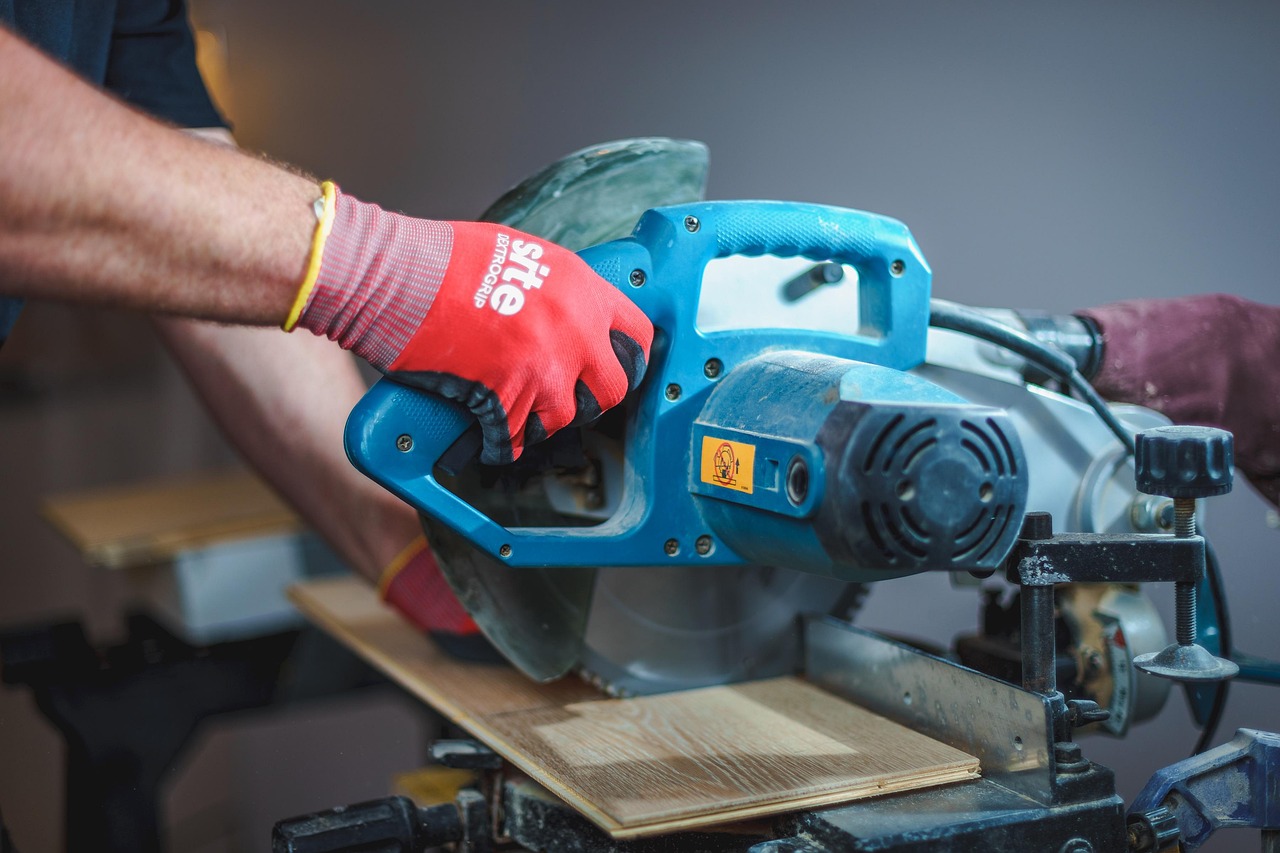
Part Quality That Stays in Tolerance
A good tool holds size because the edge wears in a slow and expected way. When the edge wears too quickly, diameter drift, taper, burrs, and finish marks appear before the operator plans for them.
This is where precision tooling pays for itself. It lets the shop set a wear offset schedule, check parts at planned points, and avoid the usual rush of inspecting every third part because the last batch failed.
Tool Life You Can Plan Around
Tool life is not only the number of minutes before a tool fails. In production, it is the number of good parts you can cut before size, burrs, or surface finish start to move.
NIST research on hard turning showed how much material structure and CBN grain size can affect results. In a 1997 study on hardened tool steels, a powder metallurgy M50 bar cut with an ultrafine CBN tool had flank wear below 45 micrometers VBmax after 6.2 km of cutting distance, with surface finish better than 80 nm Ra. This is a lab result, not a fixed promise for every shop, but it explains why tool grade and workpiece condition have to be checked together.
Fewer Surprises in Export Orders
Export work usually leaves little room for mistakes. A buyer may accept one late prototype, but not a container of parts with burrs in tapped holes or tool marks on a sealing face.
Precision cutting tools help the shop repeat the same process on day shift, night shift, and the next purchase order. That repeatability is often worth more than saving a small amount on each insert.
Which Tool Material Fits Your Workpiece Best?
Tool material should start with the workpiece, not with a catalog discount. ISO 513:2012 classifies hard cutting materials for chip-removal machining, including hardmetals, ceramics, diamond, and boron nitride. ISO lists that standard as published, with the 2012 edition reviewed and confirmed in 2018. In normal shop terms, the standard gives buyers and process engineers a shared way to match tool grades with steel, stainless, cast iron, aluminum, superalloys, and hardened materials.
Carbide for Daily Steel and Cast Iron Work
Cemented carbide is still the standard choice for many turning, milling, drilling, and threading jobs. It gives a workable balance of hardness and toughness, so it can handle interrupted cuts, light roughing, and common finishing work.
USGS states in its tungsten information and 2025 Mineral Commodity Summary data that tungsten’s largest use is as tungsten carbide in cemented carbides. This matters when buying tools, because carbide tool prices can be affected by raw-material pressure, not only by brand, coating, or distributor margin.
PCD for Aluminum and Abrasive Nonferrous Parts
PCD is often the better choice for high-silicon aluminum, copper alloys, graphite, and abrasive composites. It can hold a sharp edge through long runs, especially in automotive aluminum parts, electric motor housings, valve bodies, and similar work.
It is not the answer for every alloy or every setup. If the job has heavy interrupted cutting, weak clamping, or any steel contact, it may be safer to try a lower-cost carbide tool before moving to PCD.
CBN for Hardened Steel and Finishing
CBN tools are used for hard materials where carbide can lose its edge too fast. Common jobs include bearing steel, hardened dies, and finish hard turning after heat treatment.
The NIST hard-turning data above gives a simple lesson: CBN performance depends on workpiece carbide size, grain size in the tool, and the actual finish cut. For a buyer or process engineer, the question is not only “CBN or carbide?” It is “what hardness, finish, and process stability does this part need?”
How Should Geometry, Coating, and Holder Choice Work Together?
A cutting tool is a system. The grade can be right, but the edge prep may be too heavy. The coating may handle heat, while the holder has too much runout. The tool may look fine in the drawer and still fail after eight minutes because the chip has no clear way out. This is frustrating, and it happens even in well-run shops.
Edge Prep That Matches the Cut
A sharp edge lowers cutting force and helps with aluminum, small parts, and thin walls. A honed edge can resist chipping in steel and interrupted cuts.
Too much hone can rub instead of cut, especially on small drills and finishing inserts. If a light finishing pass starts to squeal, do not blame the machine first; the edge geometry may be too blunt for the chip load.
Coating That Handles Heat and Friction
Coatings reduce friction, slow crater wear, and help the tool keep hardness when the cutting zone gets hot. PVD coatings often fit sharper edges and stainless finishing, while CVD coatings can work well in steel turning where heat and abrasion are high.
The right coating is not always the thickest one or the newest one. It is the coating that keeps wear stable under your speed, feed, coolant, and chip flow.
Toolholding That Protects Runout
Runout can quietly damage precision cutting tools. On a four-flute end mill, one flute may take most of the load while the others barely cut.
The result is chatter, corner wear, and a tool life report that does not make sense. For small tools, even a few micrometers of runout can matter, so check collets, shrink holders, hydraulic chucks, spindle taper condition, and pull studs before blaming the cutter. See also: CNC Machining.
What Cutting Data Should You Check Before Buying?
Before you approve a new tool, ask for cutting data that fits your machine and material. Catalog values are a starting point, not a final process sheet. Real production needs a working range, not one perfect number. You need the safe speed range, feed per tooth, depth of cut, tool overhang limit, coolant need, and expected wear pattern.
Speed, Feed, and Depth of Cut
Speed creates heat, feed creates chip thickness, and depth of cut changes load and chip shape. When one number changes, the other two often need a small adjustment.
NIST high-speed machining videos give a clear example of why this matters. In one steel cutting case at 200 m/min surface speed, built-up edge formed on the tool. NIST notes that if built-up edge grows thick, the workpiece may be cut by that built-up material rather than by the tool itself, which can hurt finish or tolerance.
Wear Limits and Surface Finish Targets
Do not test a tool only until it breaks. Set a wear limit that is tied to the part drawing and the inspection requirement.
For example, a finish boring tool may need to be changed at a lower flank wear value than a roughing insert, because a small edge change can move size or finish. If the drawing calls for a fine sealing surface, surface finish should be on the trial sheet from the start, not added after parts fail inspection.
Coolant, Mist, and Chip Control
OSHA’s metalworking fluids manual explains the basic reason coolant matters: metal removal creates a large amount of heat, and fluid cooling and lubrication can help tool life, reduce burning, and improve finish. This is a cutting issue, but it is also a workplace issue.
The same OSHA material lists exposure limits used in U.S. workplaces, including 5 mg/m3 as an 8-hour time-weighted average for mineral oil mist and 15 mg/m3 for particulates not otherwise classified. Because of that, coolant choice should be checked for machining performance and shop safety at the same time.
How Can You Compare Suppliers Without Getting Lost in Catalogs?
Two suppliers may both sell “high precision” tools, but the shop results can be very different. One may be strong in aerospace titanium. Another may fit automotive cast iron better. A third may win because it keeps custom step drills near your plant. The best supplier is the one that helps you cut good parts with less trial and error.
Workpiece Proof Before Price Talks
Ask for proof that matches your material grade, hardness, machine power, and tolerance. A tool that cuts 6061 aluminum well may not act the same in 7075, and stainless grades can punish a loose recommendation.
If the supplier cannot talk about chip color, wear land, burr position, or likely failure mode, the low price is carrying too much weight. Price matters, but it should not replace process knowledge.
Batch Testing With Written Results
A fair trial should record the tool code, holder, overhang, coolant, speed, feed, depth of cut, part count, wear, and finish. Use the same operator method where possible so the comparison stays clean.
A simple spreadsheet is enough for most trials. Without written results, the decision depends on memory, and memory is not reliable after a long Friday shift.
Regrind and Inventory Support
For solid carbide drills, end mills, reamers, and special tools, regrind support can reduce cost per part. It also helps when a shop wants to keep a proven tool in use instead of starting over with a new design.
Inventory support matters too. If a tool runs well but has a six-week lead time and no safety stock, it can still put delivery at risk. Ask suppliers how they handle repeat orders, coating after regrind, batch marking, and emergency replacements.
FAQ
Q1: What Are Precision Cutting Tools? A: Precision cutting tools are tools made to cut parts with tight size control, steady edge quality, and repeatable performance. They include inserts, drills, end mills, reamers, taps, PCD tools, CBN tools, and custom form tools.
Q2: Are Expensive Cutting Tools Always Better? A: No. A higher-priced tool is only better if it lowers cost per good part, improves finish, reduces scrap, or shortens cycle time without creating new problems. Test it on your real material and machine.
Q3: When Should You Choose Carbide Instead of HSS? A: Choose carbide when you need higher cutting speed, better wear resistance, or tighter repeatability in CNC production. HSS can still work for low-speed jobs, manual machines, and some interrupted or flexible setups.
Q4: How Often Should Cutting Tools Be Replaced? A: Replace tools based on measured wear, part quality, and process risk, not only minutes in cut. Finishing tools often need earlier changes than roughing tools because small wear can affect size and surface finish.
Q5: What Data Should a Supplier Provide Before a Trial? A: A supplier should provide recommended speed, feed, depth of cut, holder style, coolant guidance, expected wear pattern, and a clear test method. If the tool is custom, ask for drawing control and repeat-order details.