
How to choose a hand held cutting tool for shop and field work
Start with the job, not the tool
A hand held cutting tool is any portable tool guided by the operator to separate, trim, slot, notch, or remove material at the workpiece. In a mechanical shop or on a field repair, that may be a utility knife, aviation snip, hacksaw, angle grinder, reciprocating saw, portable band saw, nibbler, shear, or handheld abrasive saw. The right choice depends less on popularity and more on the material, cut geometry, access, finish requirement, power source, and hazard profile.
A grinder may be fast for steel rework, but a shear may leave a cleaner edge on sheet metal. A reciprocating saw may reach a confined demolition cut, while a portable band saw may leave a squarer edge on tube. This guide focuses on practical selection for fabrication, maintenance, installation, and field repair, with more shop context available in our Cutting & Tooling section.
What counts as a hand held cutting tool
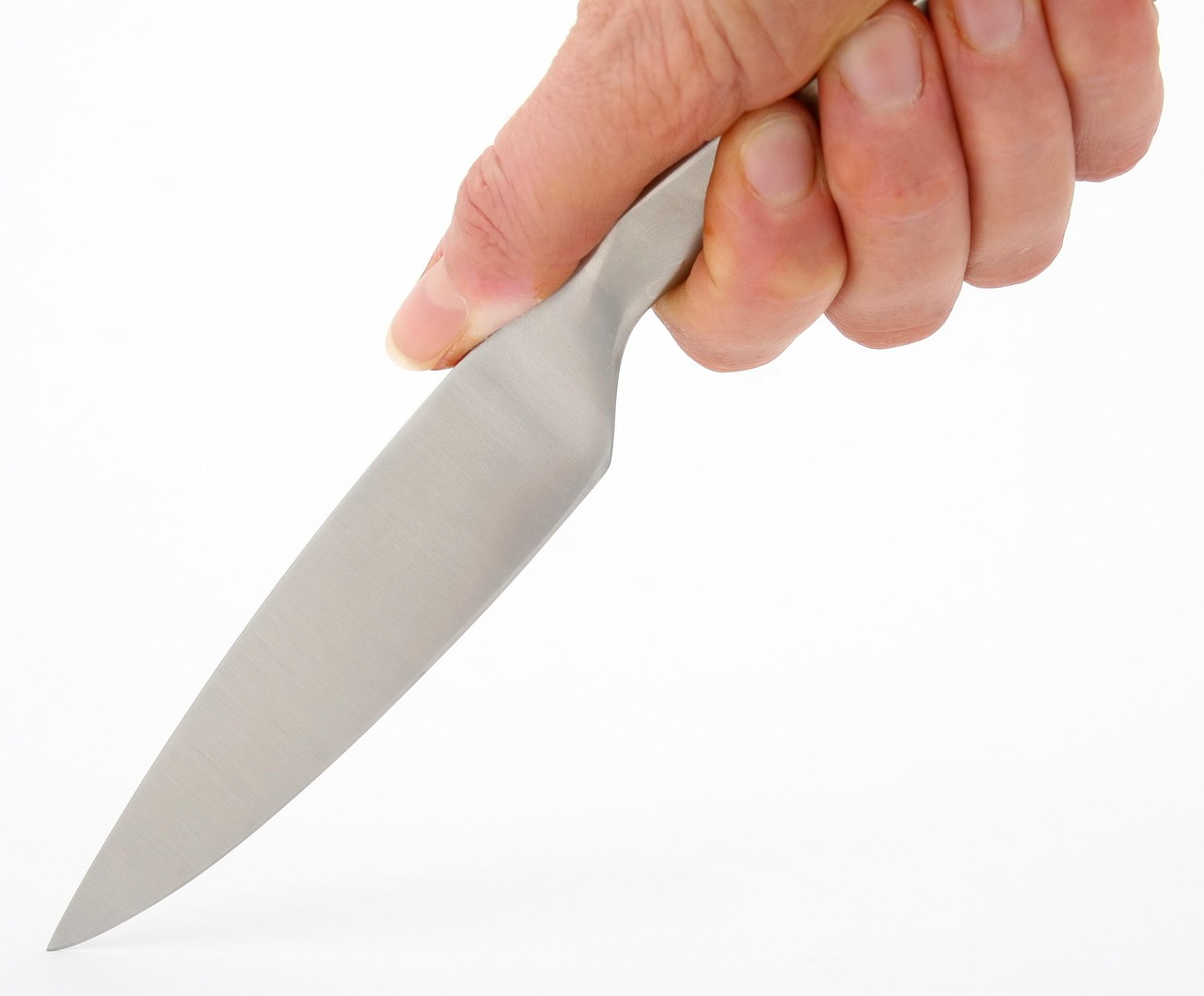
The category is wider than many buyers assume. It includes simple manual cutters and powered tools that use blades, teeth, abrasive wheels, shearing edges, or punches to remove or separate material. The common factor is that the operator supports or guides the tool by hand while the workpiece is fixed, clamped, or supported in place.
Manual tools still have a place because they are quiet, low heat, inexpensive, and easy to control on light work. Examples include knives, tubing cutters, hacksaws, bolt cutters, flush cutters, and aviation snips. They are often the better choice for thin stock, soft materials, small trimming tasks, and areas where sparks or power cords would create problems.
Powered tools increase speed and cutting capacity, but they also add stored energy, noise, dust, sparks, kickback risk, and maintenance requirements. Common examples include angle grinders with cut-off wheels, portable circular saws, reciprocating saws, jig saws, portable band saws, rotary tools, nibblers, shears, and cut-off saws. Pneumatic and hydraulic versions remain common in heavy industrial and utility work, while battery tools have become more practical for mobile maintenance and installation crews.
Match the tool to the material and cut condition
The first selection step is to define the workpiece. Material thickness, hardness, shape, coating, and support condition all affect the tool choice. A tool that cuts thin aluminum sheet neatly may chatter on stainless tube. A blade that works in wood may overheat, clog, or shed teeth in metal. A cut-off wheel suitable for steel should not be treated as a universal wheel for every material.
| Work condition | Likely tool options | Selection notes |
|---|---|---|
| Thin sheet metal | Aviation snips, electric shears, nibblers, fine-tooth saws | Shearing tools reduce sparks and heat; nibblers handle curves but leave small chips. |
| Steel tube, bar, and threaded rod | Portable band saw, hacksaw, reciprocating saw, angle grinder | Band saws generally improve squareness; grinders are useful for access and speed but require wheel control. |
| Plastic sheet or pipe | Fine-tooth saw, utility knife for scoring, tubing cutter, jigsaw | Control heat and tooth aggression to reduce melting, cracking, or edge chipping. |
| Masonry, concrete, or fiber-cement | Handheld saw with suitable blade and dust or water control | Dust control is part of the tool decision, especially where silica may be present. |
| Demolition or rough removal | Reciprocating saw, abrasive wheel, bolt cutter | Choose for access, speed, and tolerance for embedded fasteners or mixed materials. |
| Fine trimming and deburring | Knife, flush cutter, rotary tool, file, scraper | Low-force tools often protect the final dimension better than aggressive cutting. |
For mixed-material work, do not assume one hand held cutting tool can do everything safely. Separating stainless, galvanized steel, aluminum, rubber, plastic, and masonry often requires different blades or abrasive products. When the material is unknown, make a controlled test cut on scrap, verify the cutting accessory rating, and check whether the material can generate hazardous dust, fumes, or sparks.
Cut quality depends on control, not just speed
Fast cutting is useful only if the result is acceptable. In manufacturing and repair work, the key measures are usually squareness, burr size, kerf width, heat input, edge cracking, surface finish, and the amount of secondary work required. A cut that takes ten seconds but needs five minutes of grinding may not be the fastest process overall.
Sawing tools remove material with teeth and are often easier to guide along a line. They can provide good edge control when the blade pitch, speed, and feed pressure match the material. Too few teeth in contact can snag thin stock; too many can load the blade and slow the cut. Reciprocating saws are valuable for access and teardown, but they can wander if the shoe is not held firmly against the work.
Abrasive cutting removes material by grinding. It can be effective on hardened steels, bolts, and awkward field cuts, but it produces sparks, heat, noise, and abrasive dust. Wheel selection matters: diameter, thickness, maximum rpm, bonding, and material compatibility must match the tool and the task. A damaged, side-loaded, or overspeed wheel is not a minor defect; it is a serious failure risk.
Shearing tools separate material with opposing edges. They can be cleaner and cooler than abrasive cutting on sheet stock, especially where sparks are not acceptable. Their limits are capacity and access. If the tool throat or head cannot enter the cut path, or if the stock is too thick for the rated capacity, forcing the tool can distort the part and damage the cutting edges.
Safety features should influence the buying decision
Safety should be considered before brand, battery platform, or price. Public OSHA guidance for hand and power tools emphasizes guarding, proper controls, inspection, and removal of damaged tools from service. For U.S. workplaces, OSHA rules identify guard requirements for portable circular saws and many abrasive wheel tools. OSHA guidance also describes constant-pressure controls for several hand-held powered tools so the tool stops when the operator releases the control.
Those requirements lead to a practical buying rule: do not select a tool that makes safe use difficult. A grinder guard that blocks every realistic cut path may tempt operators to remove it. A saw used without stable work support may increase kickback risk. A tool that is too heavy for overhead work may lead to poor trigger control. A bargain cutting accessory without clear speed and material markings can create uncertainty when the operator needs a clear limit.
- Guarding: Guards should stay in place, align correctly, and protect the operator from the normal direction of chips, sparks, or fragments.
- Controls: Triggers, paddles, and lock-off features should be easy to operate intentionally and difficult to activate accidentally.
- Accessory rating: Blades and wheels must match the tool speed, arbor, material, and cutting direction.
- Dust and fume control: Cutting masonry, concrete, fiber-cement, coatings, or unknown materials may require local exhaust, water delivery, respiratory protection, or a different process.
- Noise and vibration: OSHA noise guidance uses an 85 dBA eight-hour time-weighted average as the general-industry action level for hearing conservation, so noisy cutting tasks should be assessed rather than guessed.
- Eye and face protection: ANSI/ISEA Z87.1 is the common U.S. reference for occupational eye and face protection devices, including protection against impact hazards associated with cutting and grinding.
Personal protective equipment matters, but it should not be the only control. NIOSH describes a hierarchy of controls that prioritizes elimination, substitution, engineering controls, administrative controls, and then PPE. Applied to cutting, that can mean choosing a quieter method, clamping the work securely, using a shrouded tool with dust extraction, limiting exposure time, and then selecting suitable eye, face, hearing, hand, and respiratory protection.
Power source and ergonomics affect real productivity
A hand held cutting tool is productive only if the operator can control it through the whole cut. Power source is part of that control. Corded electric tools provide continuous power where outlets are available, but cords can create trip hazards and limit movement. Battery tools improve mobility and setup time, but battery weight, runtime, and cold-weather performance matter in field work. Pneumatic tools can be compact and durable, although hose drag, compressor capacity, air quality, and noise must be considered. Hydraulic tools suit heavy-duty cutting where high force is needed, but they add hose management and power-unit requirements. See also: CNC Machining.
Ergonomics is not just comfort. Handle diameter, grip texture, trigger position, tool balance, vibration, sight line, and exhaust direction all influence accuracy and fatigue. A well-balanced tool can reduce overcorrection at the end of a cut. A stable front shoe or auxiliary handle can keep the accessory from grabbing. For repetitive tasks, even a small weight difference can affect cut consistency across a shift.
Access is another practical factor. Before choosing a tool, confirm the space available for the body of the tool, the swing of the guard, the blade radius, the stroke length, and the position of both hands. Many cutting problems occur because the accessory can reach the material but the operator cannot hold the tool in a safe, square, and stable position.
Inspection and maintenance checklist
A cutting tool should be inspected before use, after accessory changes, and whenever performance changes. Slow cutting, burning, vibration, wandering, abnormal noise, or repeated tripping of protection devices are signals to stop and investigate.
- Check that guards, shoes, flanges, handles, and adjustment locks are present and secure.
- Inspect cords, plugs, batteries, hoses, couplers, and strain reliefs for damage.
- Confirm that blades, wheels, punches, and dies are sharp, clean, uncracked, and suitable for the material.
- Verify wheel maximum rpm against tool speed before mounting any abrasive wheel.
- Use the correct arbor, flange, blade direction, and fastening method.
- Clamp or support the workpiece so the kerf does not close on the blade or wheel.
- Remove damaged or malfunctioning tools from service until they are repaired or replaced.
Maintenance should also include housekeeping. Chips under a saw shoe, packed dust inside a guard, resin on a blade, or metal grit in a trigger can change how the tool behaves. For cutting operations that generate conductive dust or abrasive particles, cleaning and inspection become even more important.
A practical selection workflow
When several tools could do the job, use a short workflow instead of relying on habit. First, define the material and thickness. Second, identify whether the cut must be straight, curved, flush, internal, rough, or finish-ready. Third, check access and work support. Fourth, decide whether sparks, heat, dust, noise, or vibration create unacceptable risk. Fifth, compare total process time, including setup, cut time, cleanup, deburring, and inspection.
- If accuracy is the priority, favor guided saws, portable band saws, shears, or a jig before choosing a freehand abrasive cut.
- If access is the priority, compare reciprocating saws, compact grinders, rotary tools, and specialty cutters, but keep two-hand control in mind.
- If low heat is the priority, consider shearing, sawing, scoring, or manual cutting before abrasive or thermal methods.
- If dust is the priority, select tools designed for water delivery or local exhaust and verify the material hazard.
- If repeatability is the priority, consider whether a fixture, stop, guide rail, or stationary machine is more appropriate than a hand held cutting tool.
The most reliable choice is often not the most powerful tool. It is the tool that cuts the target material with acceptable quality while allowing stable control, proper guarding, suitable accessories, and manageable exposure to chips, dust, sparks, noise, and vibration.
Frequently asked questions
What is the most versatile hand held cutting tool?
There is no single most versatile choice for every shop. An angle grinder is highly adaptable for metal cutting and rework, while a reciprocating saw is strong in demolition and access-limited cuts. For repeated tube and bar cuts, a portable band saw may be more controlled. Versatility should be judged against your actual materials and tolerances.
Can a hand held cutting tool be accurate enough for production work?
Yes, but only within limits. Handheld tools can be accurate when supported by guides, clamps, fixtures, stops, and trained operators. If the job requires tight repeatability, low burrs, and documented dimensional control, a stationary saw, shear, CNC process, or dedicated fixture may be more suitable.
Is abrasive cutting better than sawing?
Not universally. Abrasive cutting can be fast and useful on hardened or awkward parts, but it adds heat, sparks, dust, and wheel-management concerns. Sawing may provide better edge control and less heat on many materials. The better method is the one that meets the cut requirement with fewer downstream problems.
What should be checked before changing blades or wheels?
Disconnect the power source or follow the applicable lockout procedure, then verify accessory size, arbor fit, rotation direction, material compatibility, maximum speed, and condition. Do not mount cracked wheels, damaged blades, mismatched flanges, or accessories without clear ratings.
When should a handheld tool be replaced instead of repaired?
Replacement is usually appropriate when the frame, guard mount, spindle, switch, battery interface, insulation, or other critical component is damaged in a way that cannot be restored to the manufacturer’s intended condition. For workplace use, defective tools should be removed from service until a qualified repair or replacement decision is made.